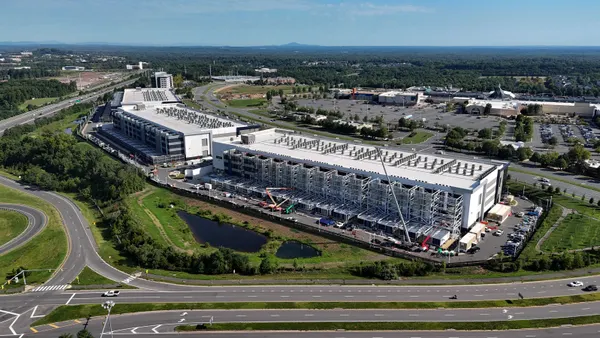

The power system is undergoing an unprecedented transformation. Many of the reasons driving that change are well recognized and frequently discussed. Electricity demand from data centers, manufacturing and the electrification of transportation and building heating and cooling is surging. In fact, earlier this year the North American Electric Reliability Corporation (NERC) warned that grid reliability risks were increasing because demand was outpacing the new generation and transmission needed to serve it.
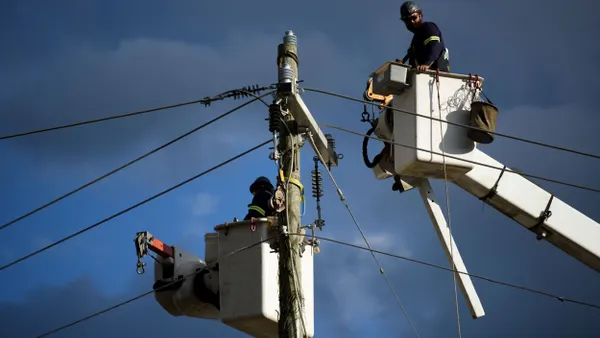
Another challenge: the grid is old. The most recent American Society of Civil Engineers’ Infrastructure Report Card gave the nation’s energy system a D+, in part because of the age of the grid. Utilities have responded to an aging grid and skyrocketing electricity demand by making significant investments. The Edison Electric Institute (EEI) recently forecast that investor-owned utilities would spend $1.4 trillion through 2030 to meet customer demand for power.
However, increased capital investment does not automatically translate into increased project execution. While funding, equipment availability and construction resources are critical, the engineering processes required to move projects from planning into construction represent another significant constraint. Utilities must not only invest in additional infrastructure but also rethink how that infrastructure is engineered and delivered.
The engineering capacity squeeze
Utilities are under pressure to move more projects through engineering and into construction, but experienced engineering resources are increasingly difficult to secure. While utilities can expand internal teams or engage additional engineering, procurement and construction (EPC) partners, scaling traditional engineering processes often introduces additional challenges. Different design tools, inconsistent engineering standards and repetitive manual work can limit productivity and increase coordination demands. That leaves utilities with a pressing question: how can they execute significantly more capital projects without a proportional increase in engineering resources?
The substation engineering bottleneck
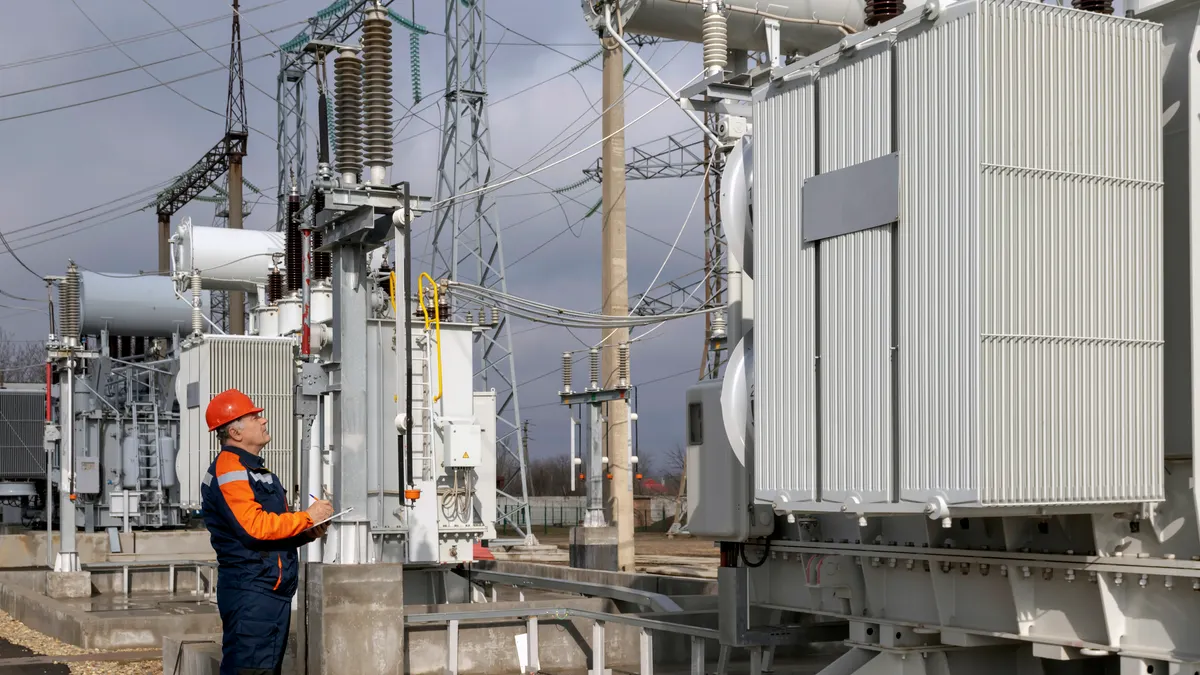
Substation engineering provides a compelling example. While utilities have extensive engineering standards and established design practices, many continue to rely on traditional drawing-based workflows, manual design modifications and disconnected engineering information, particularly in protection and control engineering, where changes can impact multiple interconnected drawings and documents. These processes can become increasingly difficult to scale as project volumes grow, particularly when coordinating across internal engineering teams and external EPC partners.
Accelerated engineering at scale
Engineering doesn’t have to slow down important capital projects. Standardized, data-driven engineering can help utilities move faster while maintaining robust standards at scale. Reusable engineering libraries, automated documentation and connected digital design models streamline engineering work, improve consistency and productivity and reduce repetitive tasks common in traditional workflows, allowing utilities to reuse proven designs rather than repeatedly engineering similar systems from scratch.
Software plays a critical role in navigating the multi-stage, multi-stakeholder complexity of power infrastructure projects, including substations. Eplan, a global provider of electrical engineering software, has spent the past few decades helping utilities and manufacturers standardize their electrical system design and documentation. Its shared digital platform gives utilities, EPCs, panel builders and equipment manufacturers access to the same engineering data, from planning to long-term operations. That shared data supports every phase of a project:
- Planning and design. Instead of manually adapting drawings for each new project, standardized templates and digital system models let engineering teams quickly reuse proven substation designs, including protection and control schematics, wiring diagrams and equipment configurations. This reduces engineering workload and accelerates project progress while maintaining compliance with utility standards.
- Procurement. Spending hours poring over drawings to compile a list of parts is both time-consuming and error-prone. Generating bills of materials automatically from the design is faster and more accurate and it ensures purchasing reflects the most recent design.
- Manufacturing and panel assembly. The drawings and instructions panel builders use are often copied, tweaked and redrawn on their journey from engineering to the shop floor. A shared platform helps ensure that builders work from the most recent design, reducing the risk of errors and making assembly more efficient.
- Operations. The need for accurate, up-to-date documentation doesn’t end when a substation is energized. Repairs and upgrades are common and project documentation needs to reflect those changes. By giving everyone access to up-to-date documentation, Eplan provides engineers and crews with a reliable record for troubleshooting and planning upgrades.
Standardized substation design in Germany
Like many distribution grid operators, naturenergie netze in Germany faces a confluence of challenges. Demand from heat pumps and electric vehicles (EVs) is climbing. At the same time, Germany is working to generate about 80 percent of its electricity from renewables like wind and solar by 2030, which means the grid must handle growing two-way power flows.
For naturenergie netze, that means quickly modernizing existing substations and building new ones. Standardization is central to how the utility plans to keep pace. It began by using Eplan to standardize how it engineers the control systems inside its substations. That groundwork laid the foundation for the utility, Eplan and software supplier entegra to build a digital twin of a highly complex substation, which the utility is using to plan a full replacement of the substation’s control systems while it stays in service.
“It would normally take two to three years to plan and implement the modernization, but the new planning methodology will really speed things up,” said Rainer Beck, grid development coordinator for naturenergie netze. The approach also demonstrates how standardized engineering practices can lay the foundation for greater efficiency and design reuse in future substation projects.
From design to delivery
Standardized design has even more value when it’s paired with standardized hardware and highly integrated production tools. Rittal, Eplan’s sister company, manufactures modular power distribution systems and automated fabrication equipment that can work directly from Eplan’s engineering data to extend efficiency directly to the production floor. It’s a combination that supports speed and quality across design, build and delivery.
Building on its experience in Europe, Eplan is now supporting North American utilities and their engineering partners in modernizing protection and control engineering workflows, establishing scalable engineering standards and improving engineering productivity to support expanding capital programs with a growing USA-based manufacturing and warehousing footprint.
The grid is being transformed from how power is generated to how it flows, but the engineering processes behind it must also change. Modernizing them is how utilities can turn unprecedented investment into completed projects without needing an equally unprecedented number of engineers.
Accelerate grid infrastructure: Eplan software and Rittal hardware and automation enable growth, scalability and speed — all with One System.