The Bipartisan American Affordability and Jobs Act, which proposes sweeping changes to energy infrastructure permitting, faces an uncertain path in the U.S. House of Representatives after passing the Senate in a 62-33 vote Thursday night.
The bill was supported by 47 Republicans and 15 members of the Democratic caucus. It was negotiated by Democratic and Republican lawmakers, along with the White House — but that negotiation preceded the midterm elections where Democrats won control of both chambers of Congress. Now, some Democrats say the party should not agree to a bill that contains what they consider troubling changes to environmental law and the authorities of courts, states and tribes.
Sen. Raphael Warnock, D-Ga., was among the senators who voted against the bill. He said in a statement that he had “hoped that a robust amendment process could’ve addressed these shortcomings in the bill that Georgians have rightly raised ... but in its absence, I am voting no.”
“I believe we can get a better bill when a new Congress is sworn in this January,” Warnock added.
On the House side, Rep. Scott Peters, D-Calif., rebuked this line of thinking.
“There will be no better deal on the table,” he said in a statement. “With Donald Trump in the White House and 60 required votes in the Senate, bipartisanship is unavoidable, whether it’s this Congress or next. The status quo isn’t working.”
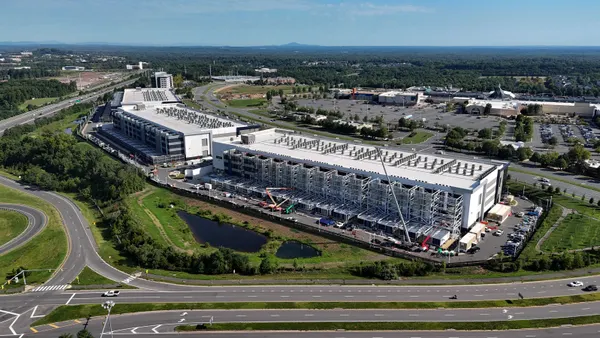
Peters also criticized Sens. Ron Wyden, D-Ore., and Jeff Merkley, D-Ore., for blocking voting on all other amendments after Wyden’s amendment to ban data centers on public lands was left off of the list of amendments to vote on.
“Unfortunately two Senators, at the last minute, opposed bipartisan amendments to make a good bill better for tribal partners,” Peters said. “We should make sure this bill gets across the finish line to lower costs and emissions and then continue our work to make the progress they opposed, and more.”
“It’s unimaginable that after this month’s election, when the entire country demanded lower costs, we would whiff on the opportunity right in front of us,” he added.
National Rural Electric Cooperative Association CEO Jim Matheson celebrated the bill’s passage in a Thursday statement, noting that earlier this month, NRECA sent a letter to the Senate “expressing strong support for the bill provided it was amended to exempt electric co-ops, which are locally governed and controlled, from unnecessary transmission regulation by the Federal Energy Regulatory Commission.”
“The final bill passed by the Senate includes this exemption, securing NRECA’s continuing support,” Matheson said. “This legislation will dramatically improve the federal permitting system, making it more manageable and predictable for electric co-ops.”
The Edison Electric Institute, which represents investor-owned utilities, previously expressed support for the bill on Nov. 9 when it passed its first cloture vote in the Senate.
Some prominent environmental groups continue to oppose the bill.
The Natural Resources Defense Council issued a statement Thursday saying the bill “remains unacceptable.”
“Lawmakers should oppose this bill and try again next year to pass legislation worthy of the American people, not for the fossil fuel industry and data center companies,” said NRDC President and CEO Manish Bapna.
Some of the criticism of the bill, as well as its support, is bipartisan.
Sen. Josh Hawley, R-Mo., who voted against the bill Thursday, said it was “stuffed with giveaways to data centers and industry at the expense of farmers.”
Sen. Catherine Cortez Masto, D-Nev., voted yes, but criticized the bill for a lack of consideration for tribal nations.
“The version of the Bipartisan American Affordability and Jobs Act that passed the Senate today ignores Tribal input and makes changes to the National Historic Preservation Act that Tribes across the country do not support,” she said. “I’m disappointed that Republicans wouldn’t allow this section to be struck from the bill.”