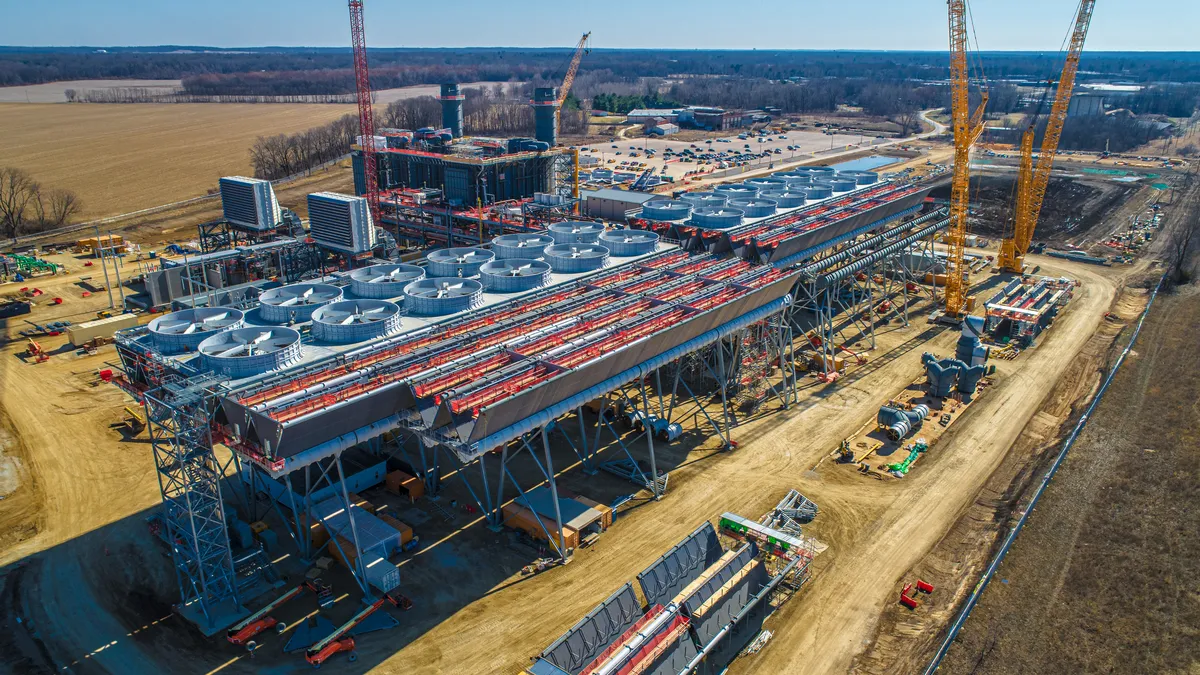
American Electric Power secured 3 GW of gas turbine capacity in the second quarter, bringing its total turbine supply that can be deployed by 2031 to about 13 GW, Bill Fehrman, AEP chairman, president and CEO, said Thursday during a quarterly earnings conference call.
AEP has also secured options for an additional 10 GW of turbines by 2035, according to Fehrman.
The turbine deals are with GE Vernova and Mitsubishi, he said.
The timing for the 10 GW of turbines dovetails with AEP’s aging power plants, “setting us up really well to continue to replace, potentially, some of the coal plants and some of the retiring gas plants in our vertically integrated utilities,” Trevor Mihalik, AEP CFO, said.
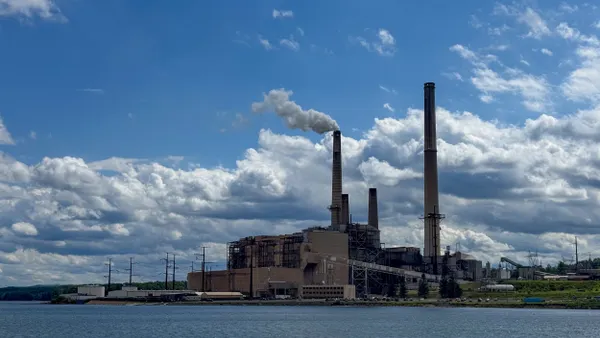
In addition to lining up turbines, AEP Ohio has also reached a deal to buy the 710-MW, coal-fired Longview power plant near Maidsville, West Virginia, according to the Financial Times reported last week. The Columbus, Ohio-based utility company also bought a permit to build a 1.2-GW gas-fired power plant at the same site in Maidsville, West Virginia, the paper said. It did not say how much the company agreed to pay for the assets.
The Longview power plant is owned by Mountain State Energy Holdings. AEP did not immediately return a request for comment.
AEP has a $78 billion, 5-year capital plan from 2026 through 2030, and is slated to announce the next iteration of the plan this fall.
“The new generation investments are going to play a pretty central role in driving the long-term growth as we look to deploy this 13 GW of turbine capacity across the regulated businesses,” Fehrman said.
Turbines are “a scarce resource and will become increasingly more valuable,” he said. “We're going to continue to be aggressive in our positions on this, and we're continuing to actively work with the key suppliers and are very confident that not only with what we have locked up, but we've got clear line of sight through certain framework agreements and such that we can get what we need to continue to deliver for customers.”
AEP’s utilities expect to add 27.2 GW to their systems by 2035, according to the company’s earnings presentation. Their resource plans call for adding: 15.3 GW of gas; 6.4 GW of solar; 5.1 GW of wind; and 500 MW of storage. The utilities have pending requests for proposals totaling 7.8 GW, according to the presentation.
PJM outlook brightens
Three months ago, Fehrman said AEP was considering leaving the PJM Interconnection over dissatisfaction over issues such as the grid operator’s governance, the ability to add large loads in its footprint and resource adequacy.
Since then, PJM’s outlook has improved, according to Fehrman.
“The pace and intensity of productive conversations with PJM has significantly increased,” he said. “We're seeing very positive engagement across the board, including the team at PJM, FERC, [and] other key stakeholders.”
FERC on July 23 held a technical conference that explored possible changes to PJM’s governance framework.
“We are very optimistic that there's going to be alignment around some of the solutions,” Fehrman said. “As these issues continue to evolve, it's obviously important that any of the frameworks that get put forward ensure fairness to all of the participants and protect customers and appropriately assign costs to those who are causing them … so I'm very hopeful with where we're at.”
Large load pipeline grows
AEP’s contracted large load pipeline grew to 69 GW, up from 63 GW in the first quarter, according to Mihalik.
The data center and other large load pipeline includes 45 GW in Texas, 12 GW in Ohio, and Oklahoma, Indiana, Kentucky, Louisiana and Virginia combining for 12 GW, he said.
AEP utilities’ large load tariffs require customers to make long-term commitments and support the investments needed to serve them, Mihalik said.
“These tariff frameworks also provide strong protections against project delays and changing development time lines, giving us confidence that we can capture this growth while appropriately managing potential risk,” he said.