Justin Lopas is COO and co-founder of Base Power, an Austin-based energy company that installs and operates home backup batteries. He previously led manufacturing at the defense company Anduril and was a lead manufacturing engineer at SpaceX.
I run a company trying to make American electricity cheaper and more reliable. The single biggest operational constraint is not the technology, the financing, or the physics of the grid. It is the thousands of city building departments that each have a different way of saying yes — and many more ways of saying no.
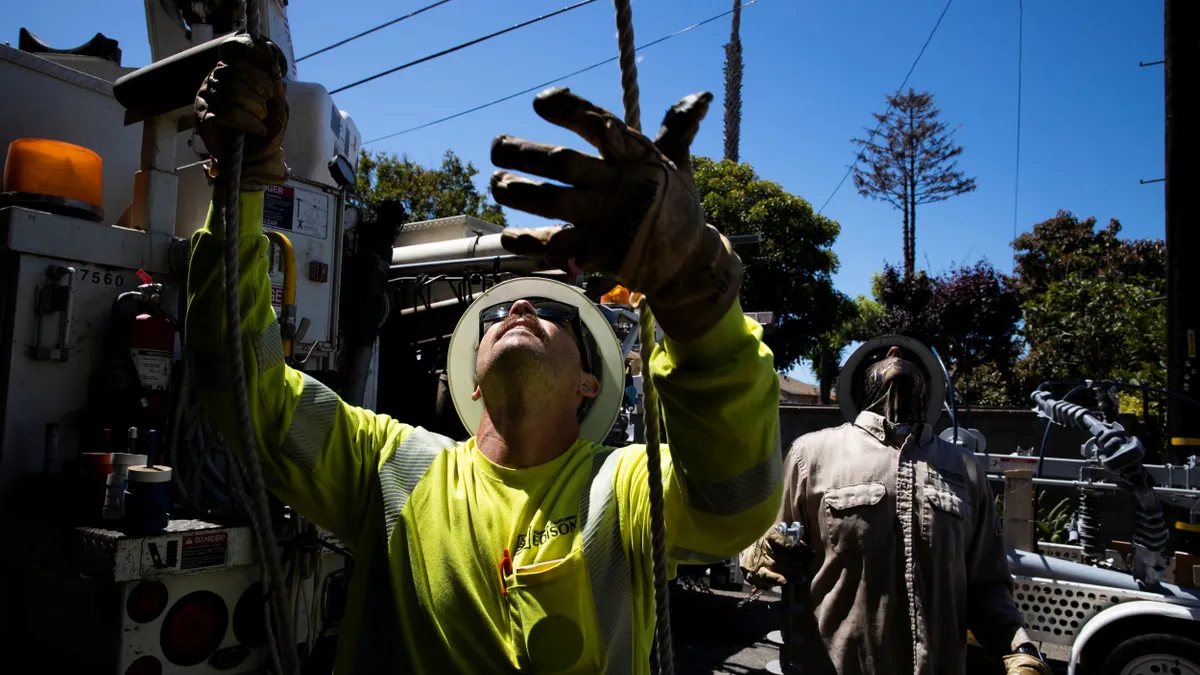
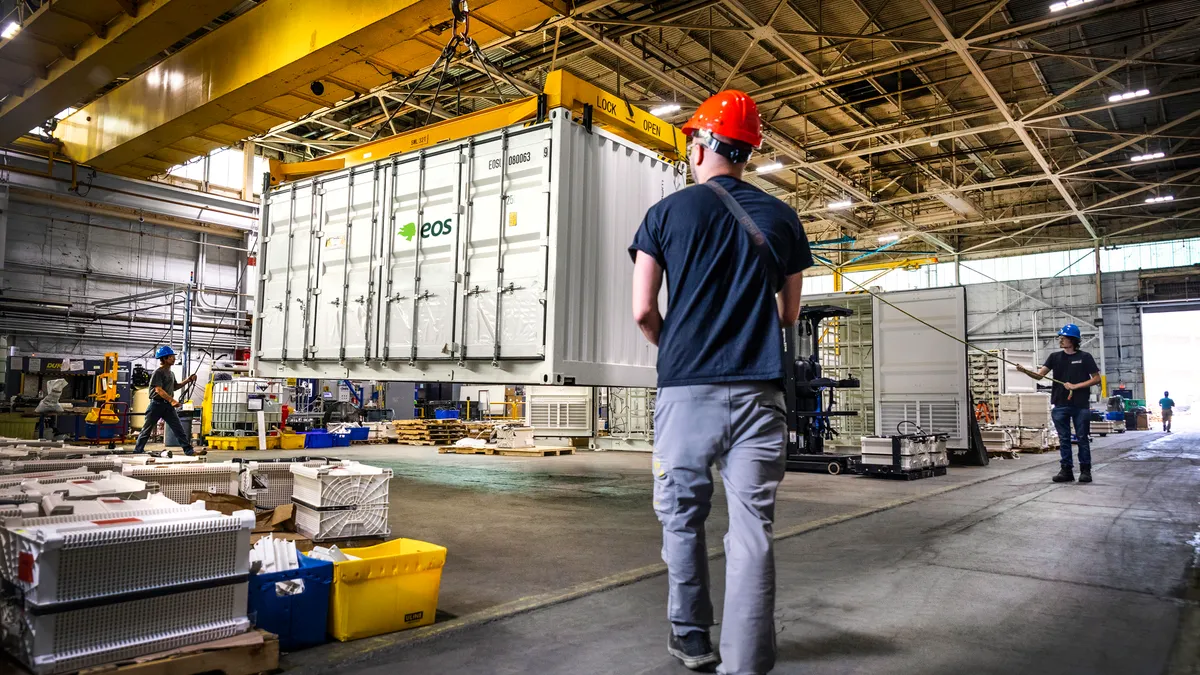
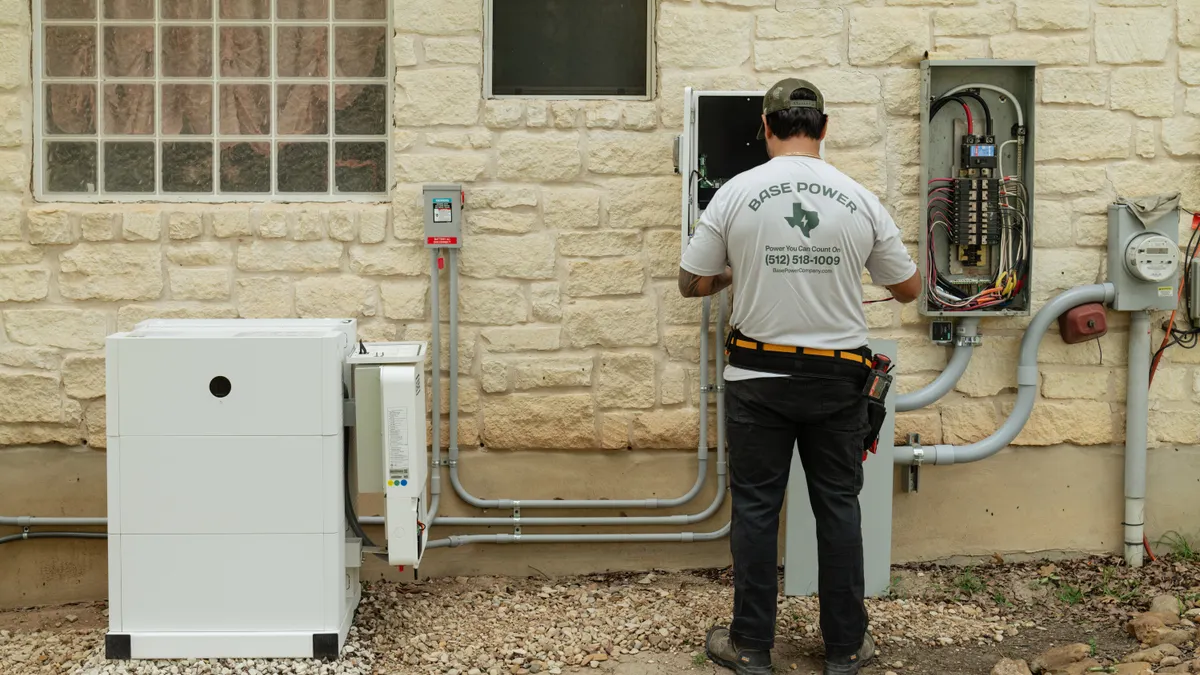
Case in point: Two of our members — homeowners who let us install a backup battery, about the size of an outdoor AC unit, and who get below-market electricity rates in return — live eight miles apart. Each of their installations, on nearly identical homes, involved identical batteries and an identical installation team. But the red tape was anything but identical.
One installation was permitted online in a single afternoon, photo-inspected the day of install, and cost the homeowner $45. The other took twelve weeks, three visits to city hall, two separate in-person, half-day inspections, and cost the homeowner $992.
This is the part of the permitting story that almost never gets told. When people talk about "permitting reform," they usually mean the federal kind: NEPA, environmental review, Manchin-Barrasso, executive orders from the last two administrations. Those debates are real. But if you build things for a living, frame houses, lay fiber, or install batteries, the federal government usually isn't the one slowing you down. The municipal building department is, and there are roughly 23,000 of them, each with their own rules.
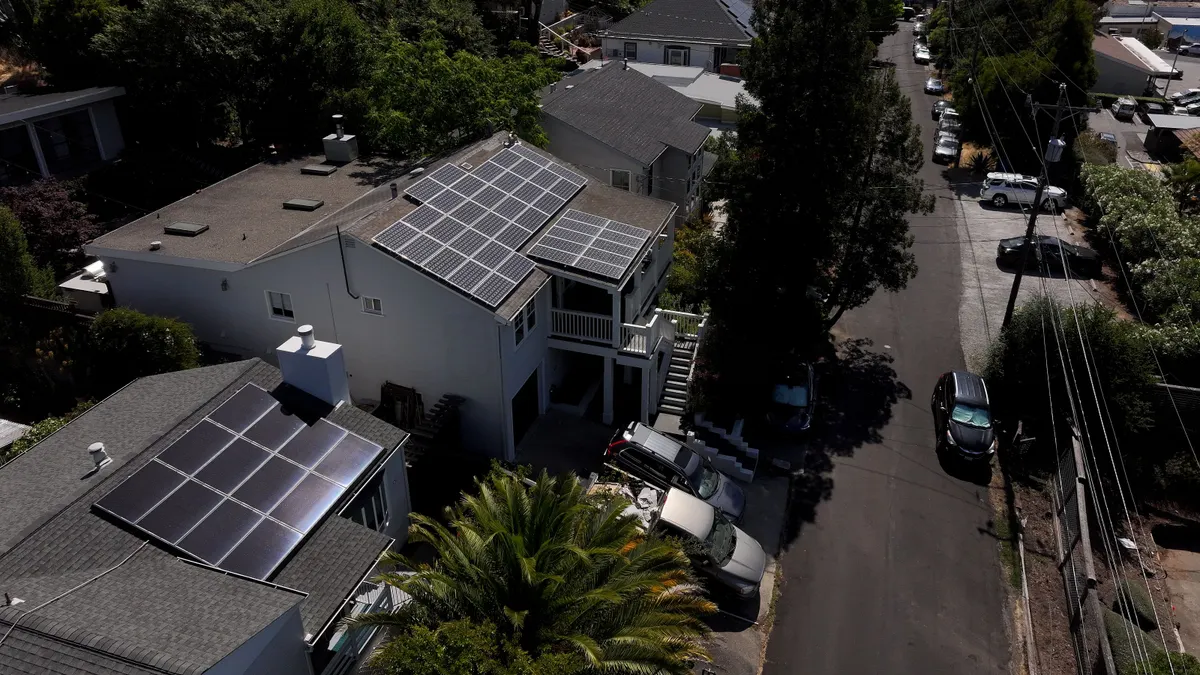
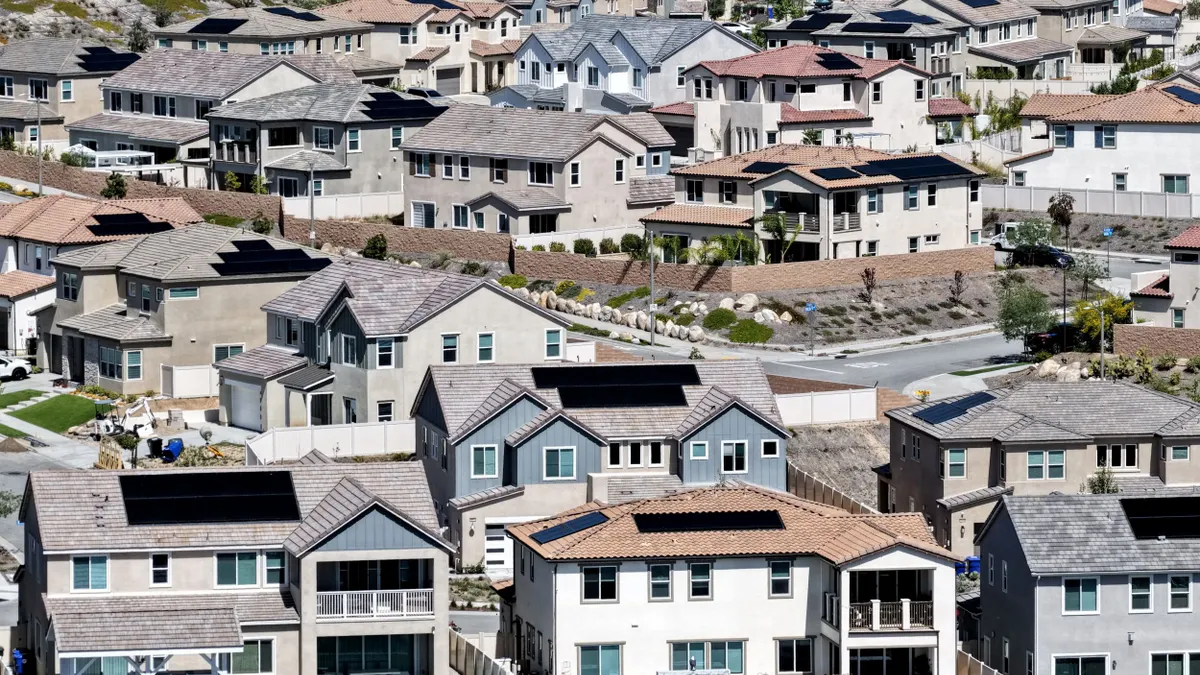
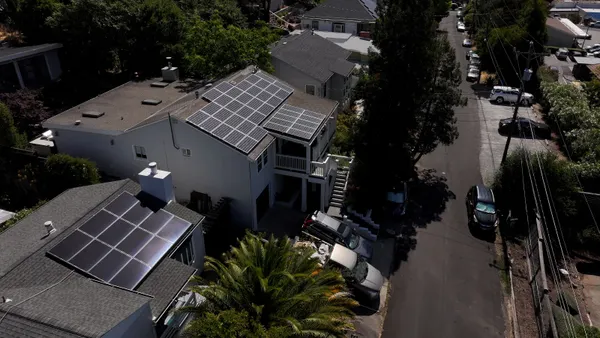
My company has spent the last three years installing home batteries in Texas to deliver affordable, reliable power. We see the same pattern documented in rooftop solar, where "soft costs" — the bureaucratic overhead that isn't the panel, the inverter, or the wiring — now account for 78% of what a homeowner pays.
The usual defense of the system is safety. “Localities know best,” the argument goes. But our batteries already pass UL 9540, a rigorous national third-party safety certification, before they reach a customer's house. When the product is already nationally tested, a twelve-week municipal review isn't producing more safety — it's producing friction.
Australia proves the point. Same language, same legal tradition, comparable electrician wages. Roughly 33% of Australian homes have rooftop solar versus 7% in the United States. A 10-kW system costs about $5,700 there and $19,000 to $27,000 here. Australia accredits the installer rather than reviewing every project. Most residential permits take a day, handled online. Fire rates per installation are comparable to ours.
The harder fact is who pays for the U.S. version. The cities with the longest timelines, the highest fees and the most bespoke rules are disproportionately dense urban ones. Those are also the cities with the highest electricity bills and the most households behind on paying them.
National utility bill debt has risen to $25 billion, up from $15 billion three years ago. When a permit takes three months and costs four figures, we and every other installer route around it. The families who would benefit most from home backup and a lower bill are the ones who can't get one. Through their own paperwork, the places that have most loudly championed clean energy and affordability have written themselves out of receiving it.
None of this is partisan. More than a year after the Palisades Fire, Los Angeles has issued only a handful of rebuild permits. The previous administration green-lit roughly $100 billion in clean energy tax credits and watched many of those projects stall in local queues. The current one came in promising "build, baby, build" and cancelled offshore wind permits already in state and federal review. The machinery is roughly as dysfunctional regardless of who is nominally in charge.
There is precedent for federal action. The Telecommunications Act of 1996 preempted local interference with wireless siting under the Commerce Clause, and is a meaningful reason nationwide cell coverage exists. Product safety, vehicle safety, food safety and drug approval are all national. We do not need federal review of every energy system install. We need national standards that local governments can't quietly undermine, and federal infrastructure funding that flows to states which meet permitting benchmarks, the same way highway funding flowed to states that adopted seatbelt laws in the 1980s.
The state playbook is just as clear. Delete what doesn't need a permit at all. The Department of Energy's SolarAPP+ platform auto-approves code-compliant residential solar in seconds and is free for cities to adopt. Simplify what's left. Florida HB 683 imposed a statutory clock on single-trade residential permits, with real consequences for missed deadlines. Standardize across jurisdictions, the way Texas SB 1252 did for residential batteries, so one installer can serve fifty cities with one document package instead of fifty.
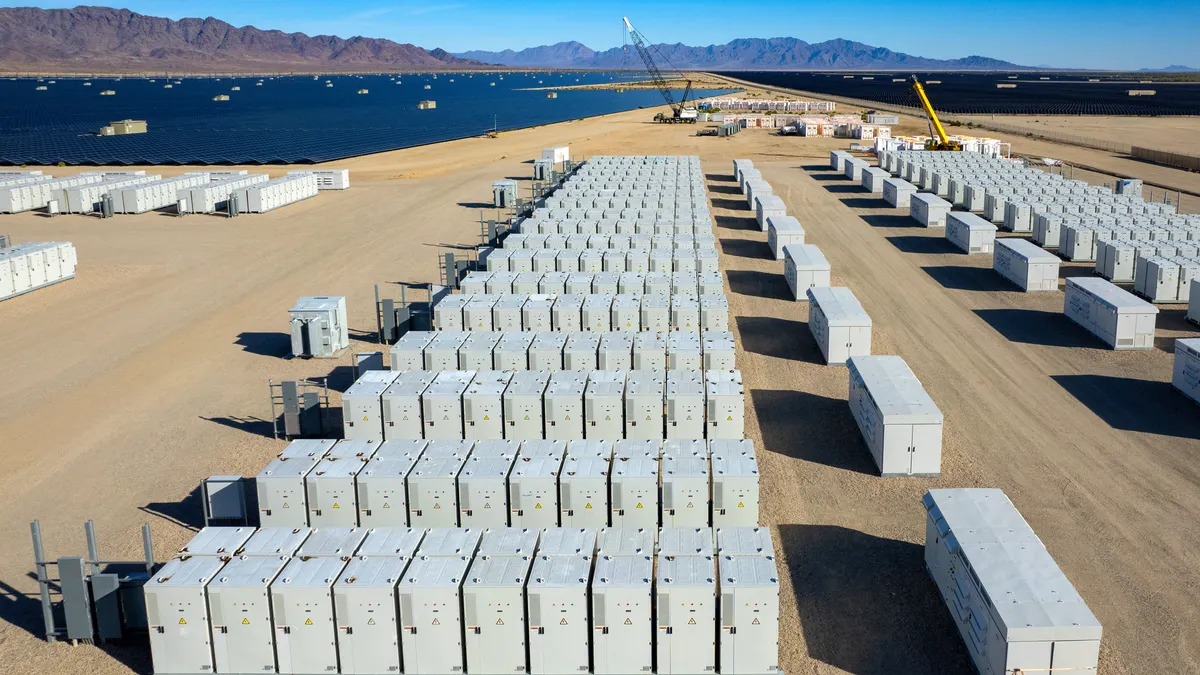
The timing is what makes the delay self-defeating. After nearly two decades of flat demand, American electricity use is climbing again, and the cost of keeping up is already landing on bills. The grid needs new capacity faster than it has in a generation — and a battery on an existing home is among the fastest capacity there is: no new power plant, no transmission line, no years-long queue.
Permitting is the throttle. Every month a city spends re-reviewing a battery it has already certified safe is capacity the grid doesn't get and a bill a family doesn't see fall — and it lands hardest on the households already behind. Federal preemption of local rulemaking is the clearest path to letting America build what it suddenly needs. Delete what you can. Simplify what you can't delete. Standardize what's left.