Zach Franklin is strategic impact officer and Linda Khamoushian is senior clean mobility strategist at GRID Alternatives, a non-profit based in Oakland, California, focused on advancing economic and environmental justice through renewable energy technologies.
The economics of electric vehicles are supposed to work in favor of consumers. Charging at home typically costs far less than filling a gas tank, making transitioning to an EV an opportunity for households to reduce monthly expenses while lowering emissions.

But that promise depends on one thing: having access to affordable home charging.
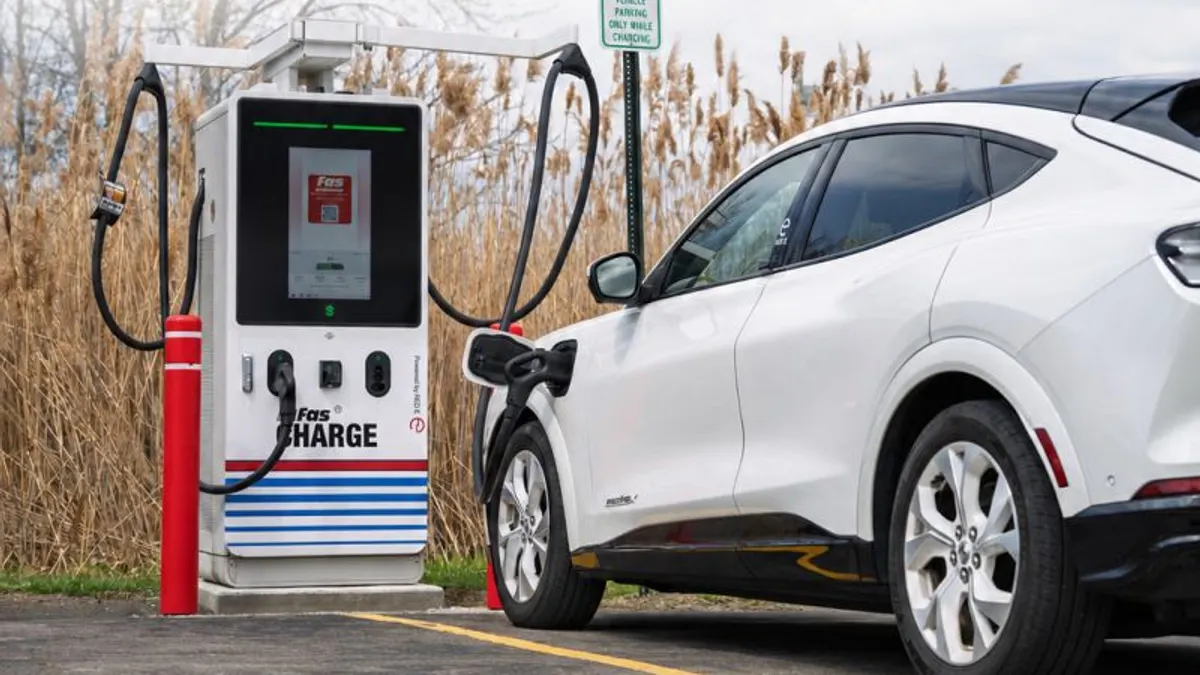
For tens of millions of Americans who live in apartments, multifamily housing, or rental properties, that assumption simply does not hold. Instead, many rely on public chargers or shared multifamily charging infrastructure, where electricity can cost up to six times more than residential electricity rates. The result is what we call the "renter's penalty" — a pricing disparity that strips away one of the most compelling financial benefits of driving electric simply because of where someone lives.
This is more than an affordability challenge. It is a structural barrier to transportation electrification, one that utilities are uniquely positioned to solve.

Most utility affordability programs are still tied to a customer's home meter. That model made sense when electricity was used almost exclusively within the home. But as electricity increasingly fuels transportation, customers need affordable rates that move with them — not benefits that stop at their front door.
Utilities have an opportunity to modernize this approach by separating income-qualified benefits from a static residential meter and applying them wherever eligible customers charge their vehicles, including public charging stations and multifamily charging sites. By making affordability portable and customer-based rather than address-based, utilities can eliminate the renter's penalty and ensure that predictable charging costs are available regardless of housing type.
The question is not whether this can be done, but how.
Fortunately, utilities have multiple implementation pathways depending on their operational capabilities and regulatory environment.
A recently released utility playbook from GRID Alternatives and the Smart Electric Power Alliance outlines several models already emerging across the industry. This playbook highlights strategies for implementing driver-based programs such as discounts through customer accounts and prepaid charging cards, thus allowing income-qualified drivers to receive affordable charging rates wherever participating infrastructure exists. Another approach utilities can take is to apply discounted rates directly to utility-owned public charging stations or multifamily charging installations in priority communities. A blended strategy combining both approaches can deliver the greatest impact.
This layered framework creates both visible and flexible affordability. Utility-owned charging infrastructure becomes a trusted equity anchor within underserved neighborhoods, while portable customer benefits ensure drivers retain access to affordable charging even when traveling beyond utility-owned assets.
Importantly, utilities do not need to wait for a perfect statewide policy or comprehensive regulatory framework before acting. Existing utility programs already demonstrate that customer-focused benefit delivery is possible, and utilities can select implementation models that align with current operational capacity while preparing for broader market adoption.
Addressing the renter's penalty is also good utility business.
Affordable public charging expands the pool of customers who can realistically adopt electric vehicles, increasing electricity sales while improving utilization of existing charging infrastructure. Well-designed programs can also encourage managed off-peak charging, improving system load factors and maximizing the value of grid investments. In other words, affordability and grid optimization are not competing objectives — they reinforce one another.
As regulators increasingly prioritize equitable transportation electrification, utilities will be expected to demonstrate that the benefits of EV adoption extend beyond single-family homeowners. Eliminating the renter's penalty is one of the clearest opportunities to do so.
Transportation electrification should not create two classes of EV drivers: those who enjoy low-cost residential charging and those who pay a premium simply because they rent. By modernizing affordability programs beyond the home meter, utilities can help ensure that the economic benefits of driving electric are available to every customer — not just those with a garage.
For utilities seeking to design, implement or evaluate affordable public and multifamily EV charging programs, GRID Alternatives offers free technical assistance and planning resources. The technology exists. The implementation pathways are becoming clearer. Now is the time to ensure that affordable EV charging follows the customer, not just the address.