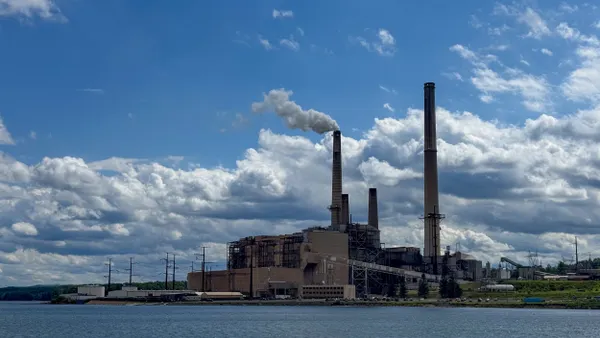
In 2025, the U.S. Department of Energy ordered at least 10 fossil-fueled generating units to remain available past their scheduled retirement dates.
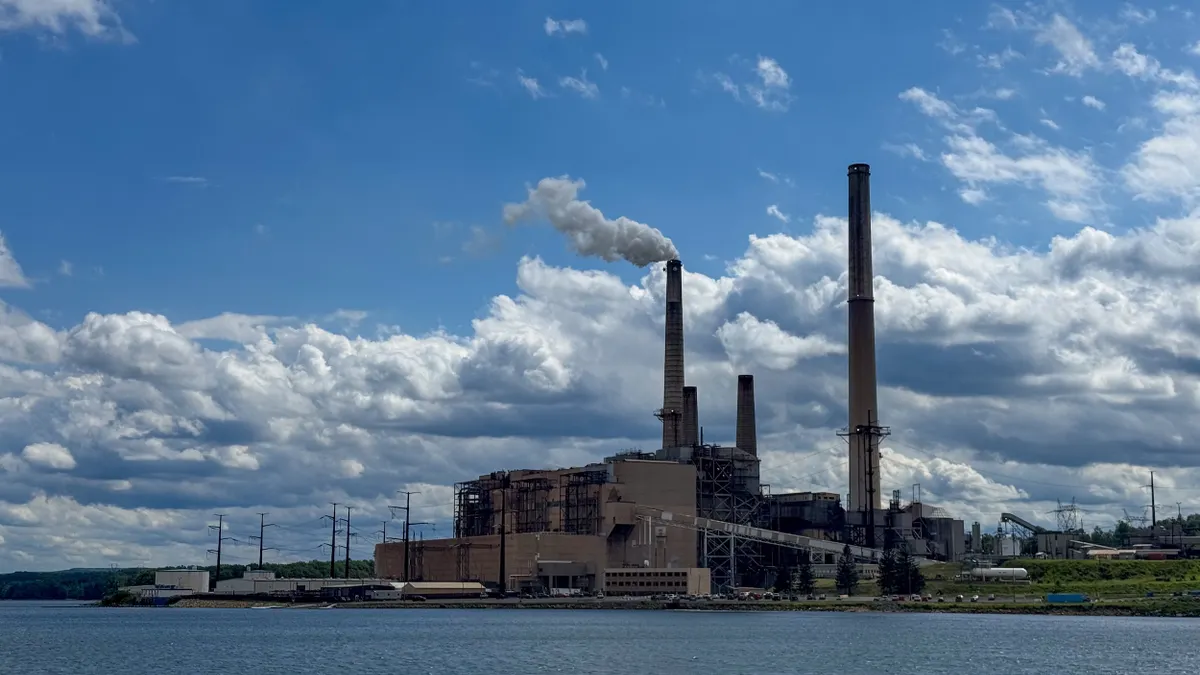
Affected plants include Constellation Energy’s 760-MW, two-unit Eddystone oil-fired power plant near Philadelphia; TransAlta’s 730-MW Centralia coal-fired power plant in western Washington state; a 427-MW coal unit at Craig Station in northern Colorado; and three coal units at two Indiana power plants with more than 1 GW of combined capacity. Each 90-day order came shortly before the plant was to retire. Most have been renewed at least once.
“That’s one of the primary issues that will play out in these cases: the distinction between federalism and state sovereignty."

Stephen Humes
Partner with the Pillsbury law firm
No power plant owner has refused to comply with an order, but some — like Craig Station partial owners Platte River Power Authority and Tri-State Generation and Transmission Association — have pushed back. So have a diverse coalition of environmental groups, ratepayer advocates and state attorneys general who say the orders will raise costs and increase pollution while eroding local resource planning authority.
But other generation owners and groups representing them have been open to the idea of keeping thermal generators open past their previously-scheduled retirements — if not the specific mechanism DOE is using.
Experts say the courts may have the last word on DOE’s use of its emergency authority and downstream impacts, such as cost allocation.
What’s the goal?
DOE has based the “stay-open” orders on its Section 202(c) emergency authority, which legal experts say is meant for extraordinary situations like the immediate aftermath of natural disasters. Top Trump administration officials have been clear that the intent is much broader than that.
“The goal is to stop the political closure of coal plants,” Wright said in January at the first meeting of the revived National Coal Council, a government-chartered industry group that withered under former President Joe Biden, according to the New York Times.
Stephen Humes, a partner with the Pillsbury law firm who is not involved in litigation related to the emergency orders, said in an interview that DOE’s orders appear to follow a similar pattern: halting the closure of fossil power plants in states with strict environmental or clean energy regulations.
“The common theme is fossil generators being encouraged by certain states to close [to make way for] renewables … so it seems the emergency here is, ‘How dare you try to switch the fuel supply from fossil fuels to renewables,’” he said.
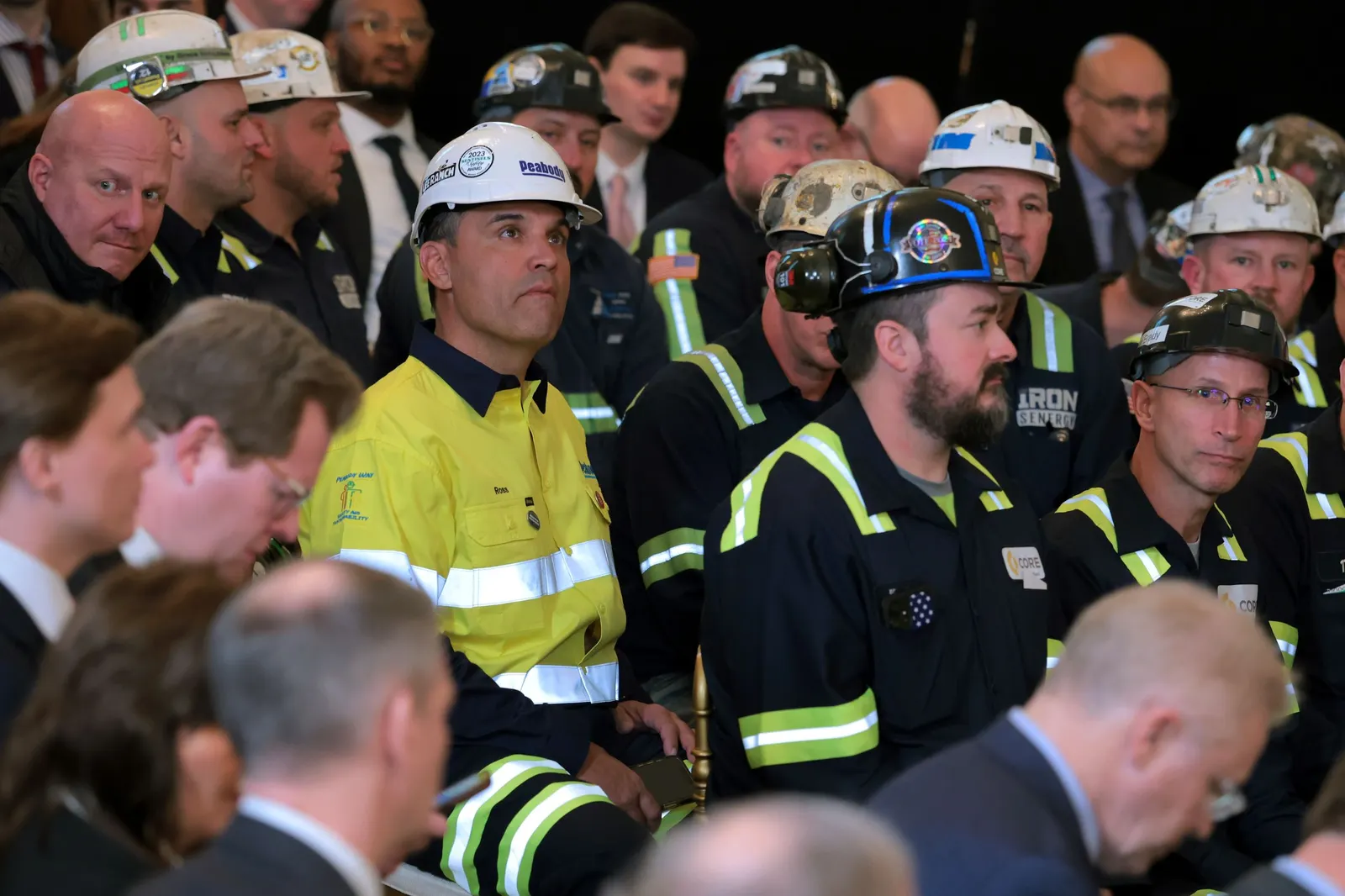
Environmental groups, ratepayer advocates and state officials are pushing for continued retirements of older fossil fuel plants. Unfortunately for them, Humes said courts — at least for now — are likely to defer to DOE’s energy emergency declarations, even if its reasoning seems spurious.
“There is a presumption that a declared emergency is an emergency,” he said.
These opponents worry that more such mandates could be on the way this year and beyond, saddling utilities and their ratepayers with billions of dollars in extra costs and unwanted planning headaches.
“This is nuts … we are not happy and are repeating to anyone who asks that there is a coal plant in Michigan that is being forced to stay open” at a cost of hundreds of thousands of dollars per day, Pete Wyckoff, deputy commissioner of energy resources for the Minnesota Department of Commerce, said in an interview.
How much will it cost, and who pays?
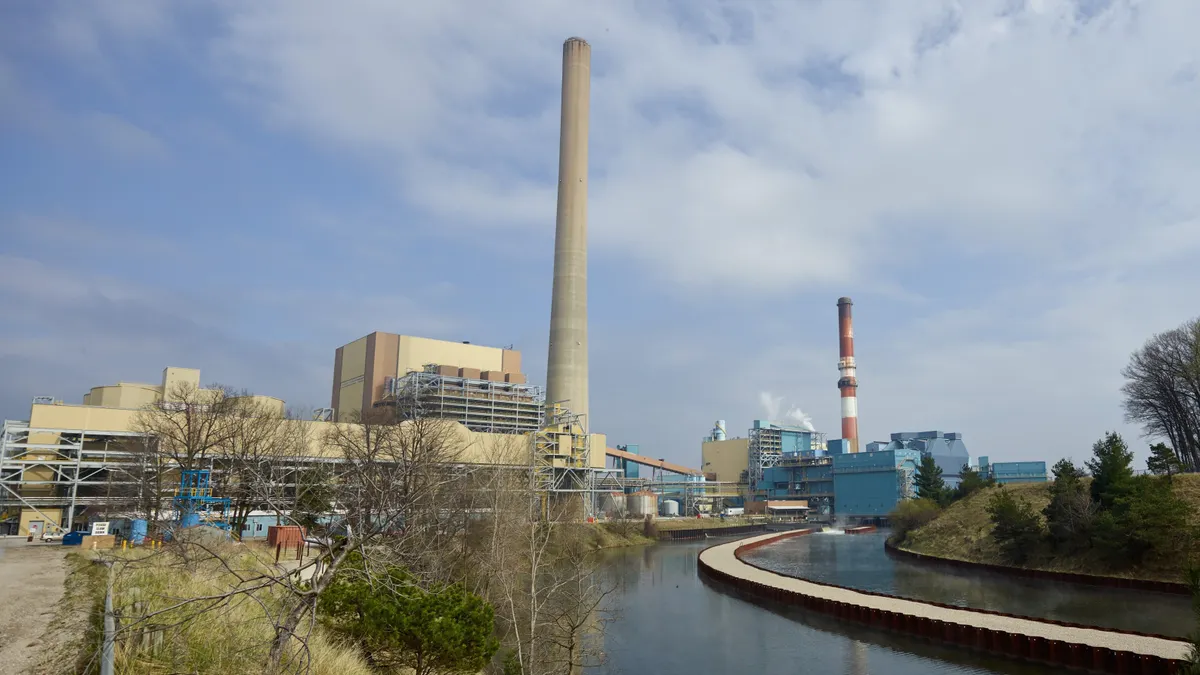
Wyckoff was referring to Consumers Energy’s 1,560-MW, coal-fired J.H. Campbell power plant, whose continued operation added $135 million to ratepayer bills across Michigan, Minnesota and several other Midwestern states between May 23 and Dec. 31, 2025.
Brian Wheeler, a spokesperson for Consumers Energy, reiterated previous statements by the utility that those costs would be spread across much of the Midcontinent Independent System Operator’s territory.
“Consistent with a previous [Federal Energy Regulatory Commission] order, the costs to operate the Campbell plant will be shared by customers across the Midwest electric grid region — not solely by Consumers Energy customers,” Wheeler said.
“This is nuts … we are not happy and are repeating to anyone who asks that there is a coal plant in Michigan that is being forced to stay open.”
Pete Wyckoff
Deputy Commissioner of Energy Resources for the Minnesota Department of Commerce
An August study commissioned by the environmental group Earthjustice found utility customers could be on the hook for more than $3 billion if DOE expands the “stay-open” orders to cover all large fossil plants set to close by the end of 2028. More recently, the Sierra Club said the orders have already cost ratepayers more than $230 million.
Earthjustice is challenging the Campbell order along with several other environmental groups and Michigan Attorney General Dana Nessel. A Seattle-based group and Washington state have separately sued DOE over the Centralia order.
Earthjustice and its fellow plaintiffs argue that DOE is overstepping its authority under Section 202(c) of the Federal Power Act, which they say “may only address imminent and unexpected shortfalls — in other words, real emergencies.”
Those “real emergencies” do occasionally occur. Along with the stay-open orders targeting specific fossil units near retirement, DOE ordered Duke Energy Carolinas to run its power plants at or near maximum output for two days during a June heatwave and twice renewed sweeping 90-day orders covering 34 generating units in Puerto Rico, where the electric grid remains fragile nearly a decade after Hurricane Maria.
Do states control resource planning?
Those situations are fundamentally different from what’s happening in Michigan, Washington and other states affected by the apparently indefinite stay-open orders, Earthjustice senior attorney Patti Goldman said in an interview. DOE’s apparent intent in issuing those orders — backed by statements from Wright and others — is to override state resource planning decisions it disagrees with, she said.
“It’s really states that have resource adequacy authority, and they’ve said there’s no emergency,” Goldman said.
In a rehearing request filed with DOE in June, the Michigan Public Service Commission joined by seven other state and municipal energy regulators in MISO called the Campbell order “a troubling precedent” that intervenes in “routine, state-approved planning decisions without an actual crisis and risks establishing its use to circumvent normal utility, RTO, and state processes.”
Goldman said the Centralia and Campbell orders upended years of careful state and operator planning to retire and replace the plants’ capacity. Centralia’s process began in 2010 with a negotiated agreement between TransAlta and state officials. Washington legislators passed a law codifying the agreement the following year. Subsequent legislation, including a 2019 state law banning coal-fired power generation after 2025, paved a seemingly inexorable path to retirement.
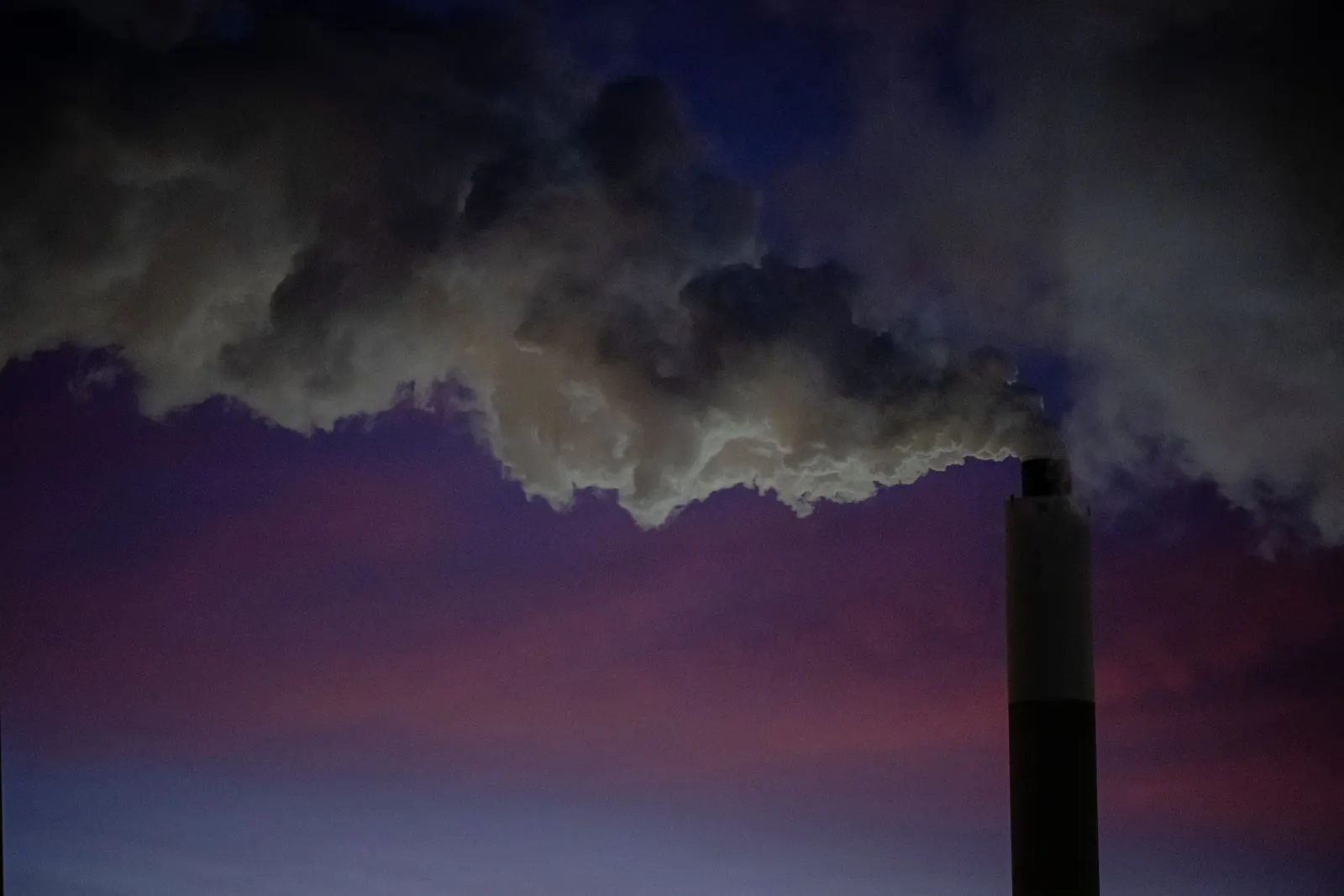
“It was just assumed that the plant would shut down because it was legally required to do so,” Goldman said.
Consumers Energy agreed to shut down Campbell by May 2025 in a legally binding integrated resource plan Michigan regulators ratified in 2022. In the intervening years, Consumers lined up replacement energy generation and storage resources, tapered its coal procurement and made plans to redeploy affected workers as MISO ran repeated resource adequacy analyses to confirm the grid could operate reliably without Campbell’s capacity, Earthjustice attorney Sameer Doshi said in an interview.
Consumers canceled more than $160 million in planned maintenance for the plant, which struggled to reliably produce power last summer, according to legal filings. Since then, it has run more or less non-stop, Consumers says.
“Those plans were very carefully made until the [DOE] order came through,” Doshi said.
Colorado, Minnesota law clash with Trump goals
Colorado state law requires electric utilities to procure 100% carbon-free electricity by 2050. Washington requires the same by 2045. Michigan and Minnesota both target 2040 for full grid decarbonization.
In his remarks to the National Coal Council, Wright implied Democratic-controlled states like these had coerced utilities and independent power producers into retiring aging generators to advance an anti-coal agenda.
“We get a lot of inbound calls now saying, ‘Can you 202(c) this plant?’” he said.
Power plant owners’ public statements and actions indicate a range of situation-specific views on the orders, however.
In late January, Tri-State and Platte River Power Authority became the first utilities to formally oppose a Section 202(c) mandate when they asked the department to reconsider its Craig Station order on the grounds that it “constitutes both a physical taking and a regulatory taking.”
“A mandatory power plant retirement, without reliable, affordable sources of replacement power, will threaten electric reliability and lead to high electric rates."
Amy Trinidad
Spokesperson for Colorado Springs Utilities
They argued DOE had not shown evidence for a true resource adequacy emergency in the northwestern United States and that its order “will not best meet DOE’s goal of securing dispatchable electricity resources” amid a rapid regional buildout of renewables and flexible generation.
Colorado’s attorney general also opposes the Craig Station order.
Tri-State and Platte River Power Authority share ownership in Craig 1 with Salt River Project, PacifiCorp and Xcel Energy. Keith said his company intended to comply with the order and referred detailed questions to Tri-State.
Amy Robertson, a spokesperson for Tri-State, said in an email that the utility expects DOE to keep renewing the orders every 90 days “during the current administration.” The unit came back online on Jan. 20, according to a Tri-State news release.
TransAlta has not joined the legal fight against DOE’s Centralia order, but CEO John Kousinioris said in late February that the plant is unlikely to run this spring because Washington is “flush” with hydropower.
Extending coal plant lives outside 202(c)
Other generator owners appear open to extending their plants’ service lives past previously-announced retirement dates, though not necessarily using Section 202(c) orders.
Xcel Energy welcomed the Colorado Public Utilities Commission’s decision to extend the service life of its 335-MW Comanche 2 coal-fired unit through the end of the year “as it provides an essential reliability resource that will be needed throughout 2026,” Keith said.
That need will persist even after Xcel’s 750-MW Comanche 3 coal-fired unit returns to service following major repairs later this year, Keith added.
“We will continue working closely with all levels of government, regulators, and stakeholders to address Colorado’s growing energy demands,” he said.
“It’s really states that have resource adequacy authority, and they’ve said there’s no emergency."
Patti Goldman
Earthjustice Senior Attorney
In Minnesota, Keith reiterated that Xcel plans to retire its three remaining coal-fired units by 2030 while remaining “in regular conversations about Minnesota’s energy future with various stakeholders, including federal, state and local elected officials,” and that the utility is “committed to complying with both state and federal regulatory obligations.”
Xcel’s previously announced retirement schedule in Minnesota has one unit at its Sherco power plant shutting down at the end of this year, followed by the single-unit Allen J. King coal plant in 2028 and the final Sherco unit in 2030. To replace the capacity, it’s building hundreds of megawatts of solar and energy storage nearby, plus a combustion-turbine gas-fired power plant and transmission lines. Those resources will reuse the coal plants’ points of interconnection.
Wyckoff, with the state department of commerce, dismissed the idea that Xcel secretly wants to delay those retirements. He said keeping the coal units open indefinitely would threaten infrastructure investments Xcel spent years planning — and still expects to earn a significant return on.
“It would be a problem if this dragged on,” he said.
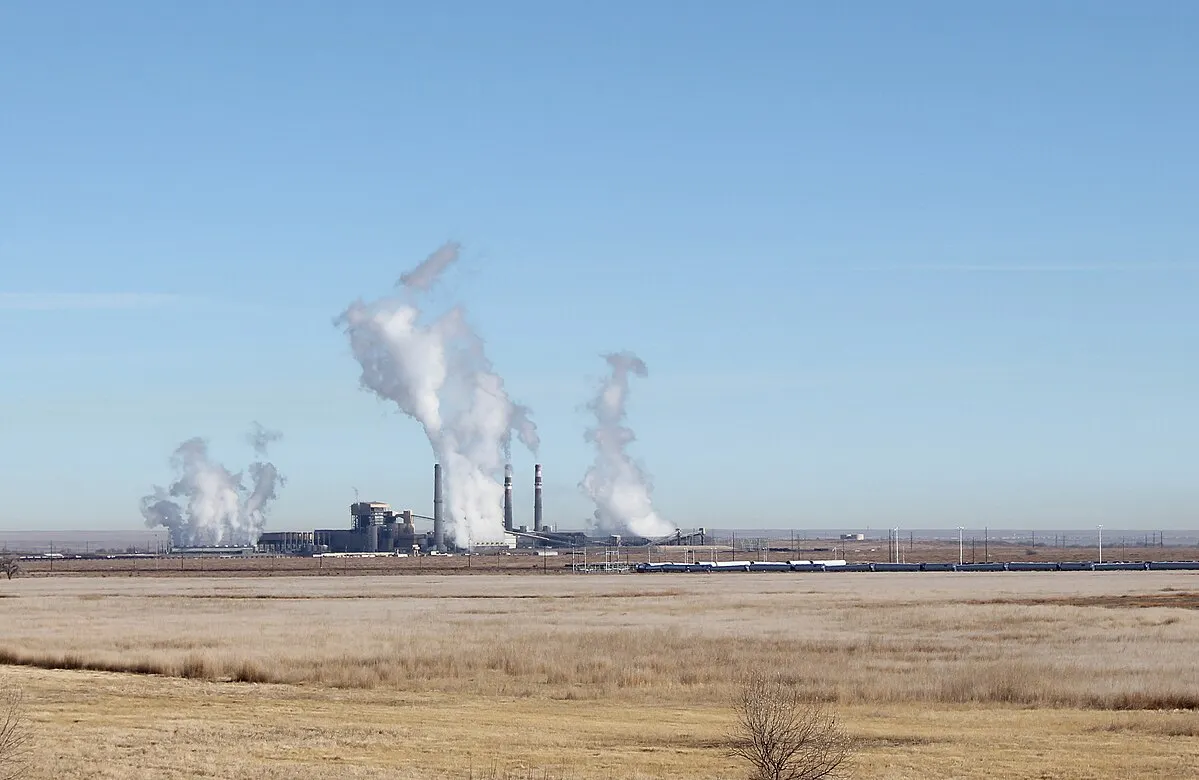
Community-owned Colorado Springs Utilities is taking a more active approach to extending the life of its 260-MW Ray Nixon coal-fired power plant. It’s seeking an exemption from a state law mandating the plant’s closure by 2029, utility spokesperson Amy Trinidad said in an email.
“A mandatory power plant retirement, without reliable, affordable sources of replacement power, will threaten electric reliability and lead to high electric rates,” Trinidad said.
Transmission constraints and higher-than-expected costs for renewable energy threaten to put Colorado’s interim 2030 greenhouse gas reduction goal out of reach, Colorado Springs Utilities CEO Travas Deal said in January.
The utility needs “more time to develop a plan that achieves emissions reduction targets reliably and affordably,” Trinidad said. But she added that it’s not asking DOE to step in right now.
“We are actively seeking local solutions to this issue, not federal orders to continue running Nixon,” she said.
Power markets aren’t working
Power for Tomorrow, a think tank that advocates for the regulated utility model, is not involved in any litigation related to DOE’s Section 202(c) orders. But Brad Viator, the group’s president, says it supports what the Trump administration is trying to accomplish.
“They're responding to a real reliability challenge — keeping dispatchable generation online to meet growing demand,” Viator said in an email. He pointed to the North American Electric Reliability Corp.’s recent assessment showing potential reliability risks in the PJM Interconnection and MISO North, where many of the generators DOE ordered to stay open reside.
Viator said the present era of elevated load growth and planned thermal generation retirements calls for a rethink of how resource planning is done. In short: Resource planning and utility regulation are better left to the states, not markets like the PJM Interconnection and MISO, he said.
“The simple fact is that resource planning works better at the state level, not in markets,” he said. “The issues that 202(c) orders are trying to help are fundamentally market failures, and the result of state policies prioritizing renewable resources over dispatchable ones.”
Federal encroachment on state resource planning authority?
Pillsbury’s Humes said Democratic-led states with ambitious clean energy goals may underappreciate the risk DOE’s emergency orders pose to the concept of local resource planning authority, however.
Federal energy law is “fairly well-understood” today to give the federal government authority over wholesale power sales and interstate transmission infrastructure while giving states authority over generation and retail sales, Humes said.
“The issues that 202(c) orders are trying to help are fundamentally market failures, and the result of state policies prioritizing renewable resources over dispatchable ones.”
Brad Viator
President of Power for Tomorrow
But courts can and do overturn even “well-understood” precedent, and the Trump administration seems eager to gain more authority over the electricity system, he said. Energy Secretary Wright’s proposal to speed large-load interconnections is just one example of that impulse, he added.
The upshot is that if litigation over the DOE’s emergency orders reaches the U.S. Supreme Court, “there is a chance that [the court] could further extend federal jurisdiction over the power industry and encroach on what has traditionally been understood to be state jurisdiction,” Humes said.
“That’s one of the primary issues that will play out in these cases: the distinction between federalism and state sovereignty,” he said.