Marc Brown is executive vice president of public policy and state affairs for the Consumer Energy Alliance, which works to advance nonpartisan energy policy through affordable, reliable and cleaner energy solutions.
Americans are paying higher rates for electricity than they have in years, and even though electricity costs as a share of personal income are historically lower, many families and businesses aren’t seeing or feeling it. That is because in many states, there are hidden costs that have little relation to the actual price of electricity service, stuffed in there by state governments that force utilities to become a state tax collector.
Since utilities deliver the bill, with all the costs in it, they are easy to blame whenever electric bills rise. Elected leaders aware of the political risk of high energy prices waste no time attempting to shoot the messenger and blame utilities, especially in cases where they voted for or supported policies that they knew would go into electric bills.
Increasingly, a significant portion of what customers pay each month is driven not by the cost of generating and delivering electricity, but by public policies adopted in state capitals. Unfortunately, those costs are often buried within utility bills and, depending on the state, can be hidden in energy supply costs, distribution costs, or both, making it nearly impossible for consumers to know what they are paying for — or who is actually responsible for it.
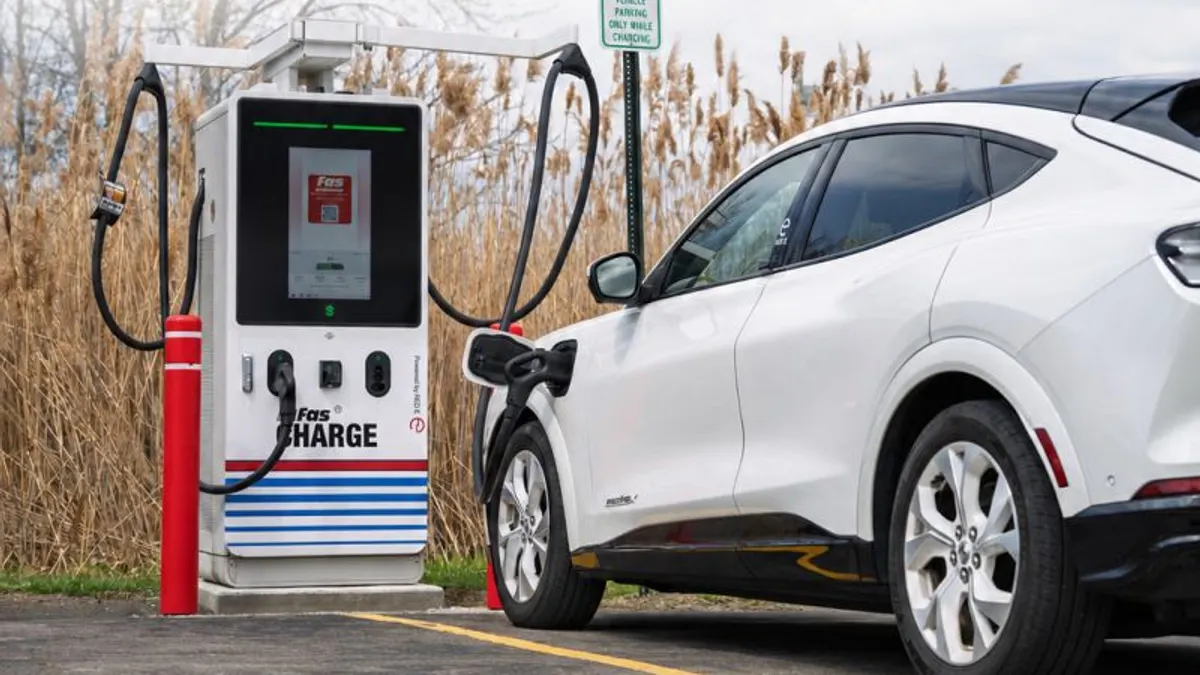
Electric bills today can include costs for: renewable portfolio standards, cap and trade programs, energy efficiency spending, net metering schemes, green bank financing, electrification initiatives, low-income assistance programs, electric vehicle programs and numerous other state-directed initiatives.
Some of these policies may provide environmental, economic, or social benefits. However, as states pursue a growing number of public policy objectives that impact customer bills, policymakers should reconsider whether your electric bill is the appropriate vehicle for funding those initiatives. Programs that serve broad public purposes should be financed through state general funds rather than hidden in your electric bill — where it becomes a stealthy second tax.
Over the past 20 years, what goes into your utility bill has drastically changed. Back then, customers paid for the cost of their service — electricity generation, transmission and distribution. Now, the electric bill has morphed into vehicle for financing a panoply of government programs, including many that don’t have anything to do with how electricity is produced or delivered. This change creates several significant challenges.
First, electric bills hit lower incomes harder. Every household requires electricity regardless of income, meaning low- and moderate-income families often spend a larger share of their budget on energy than more affluent households. Financing broad public programs through utility bills places a disproportionate burden on those least able to afford higher monthly costs.
By contrast, general fund appropriations are typically supported through broad-based taxes that are more aligned with income — and ability to pay.
Second, funding legislative initiatives through utility rates reduces transparency and accountability. Customers receive bills with inflated supply or delivery charges that are impossible to trace back to specific legislative or regulatory decisions. When costs are hidden in electricity rates, consumers will unwittingly attribute every increase to power companies rather than recognizing that as much as 25% of the bill can be directly attributed to public policy initiatives.
Financing these initiatives through the state budget would require lawmakers to debate priorities openly and justify expenditures alongside other public investments such as education, transportation and public safety — without dipping into taxpayers’ pockets twice.
Lastly, removing public policy costs from electric bills would help restore the original purpose of utility rates: recovering the just and reasonable costs of providing safe, reliable electric service. Customers would better understand what they are paying for and policymakers would be forced to take responsibility for the costs of the public programs they embed in statute.
States and their legislatures will undoubtedly continue to pursue energy and environmental objectives. The question is not whether those priorities are worthy of debate, but whether the funding mechanism is fair, transparent and accountable. It is long past time to reform what can and should go into electricity bills. Families and small businesses deserve to know that what they are paying for is what is necessary to bring them reliable, affordable electricity.