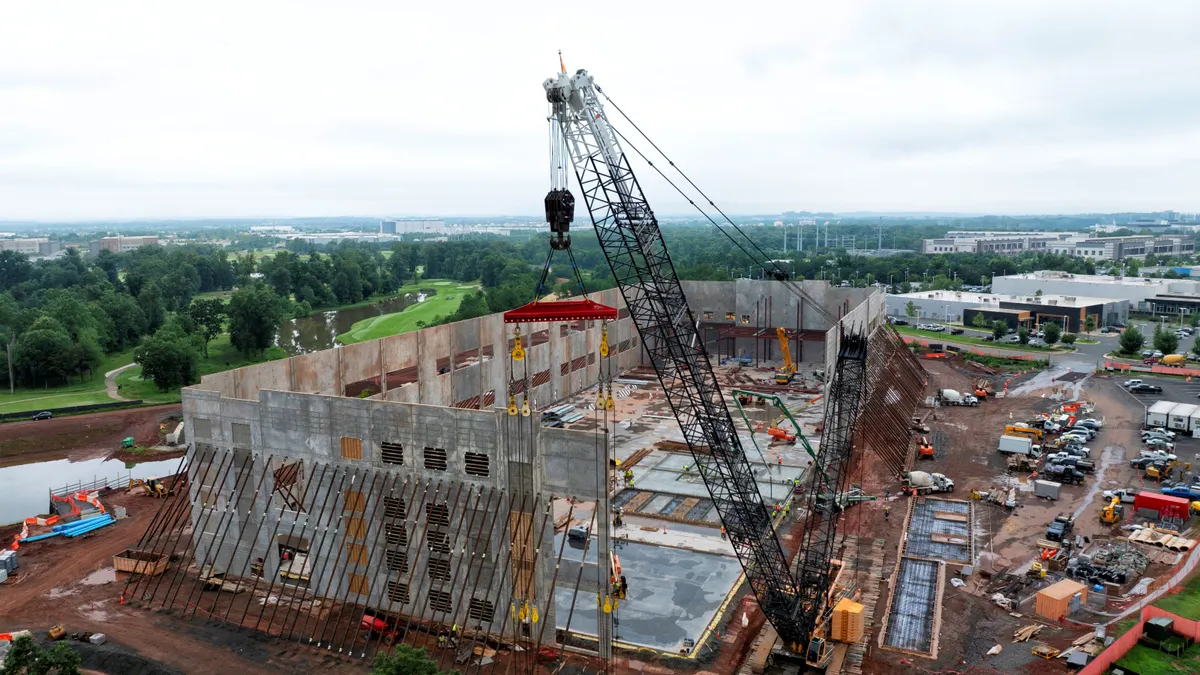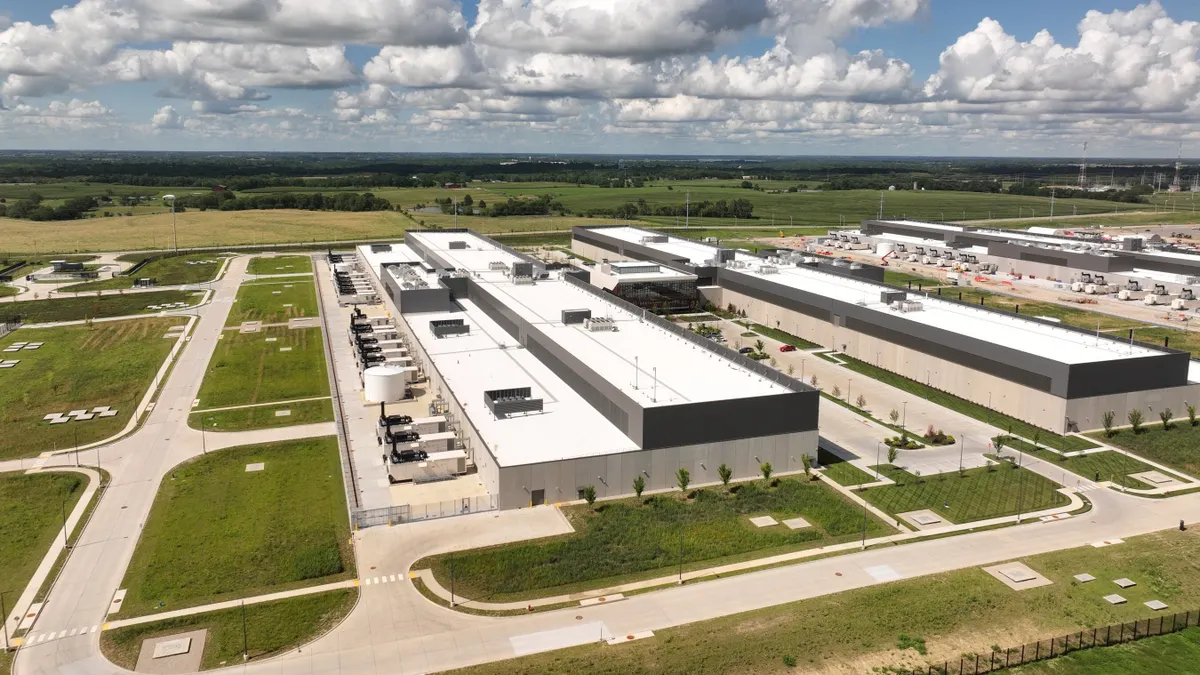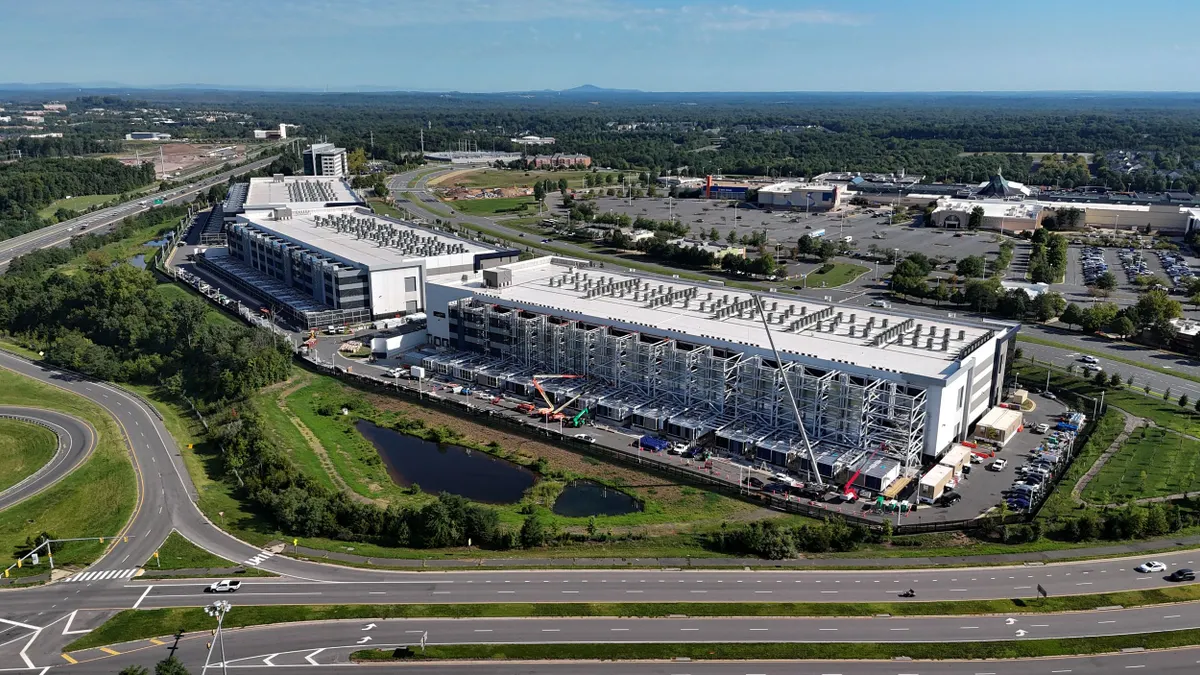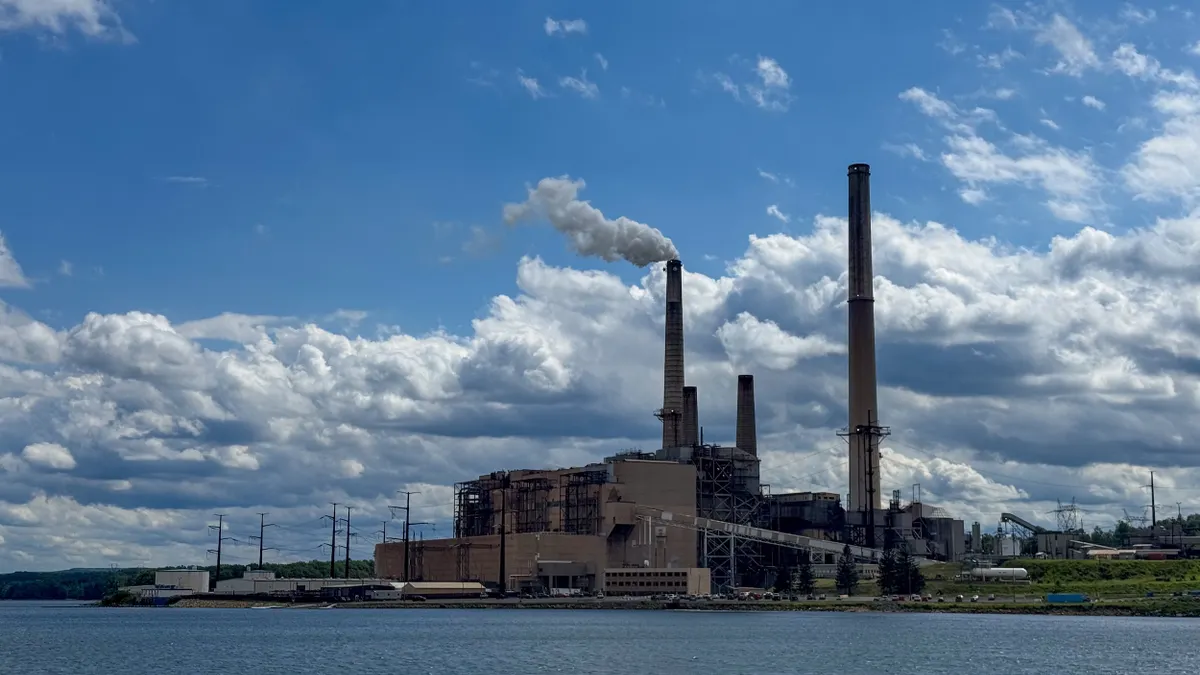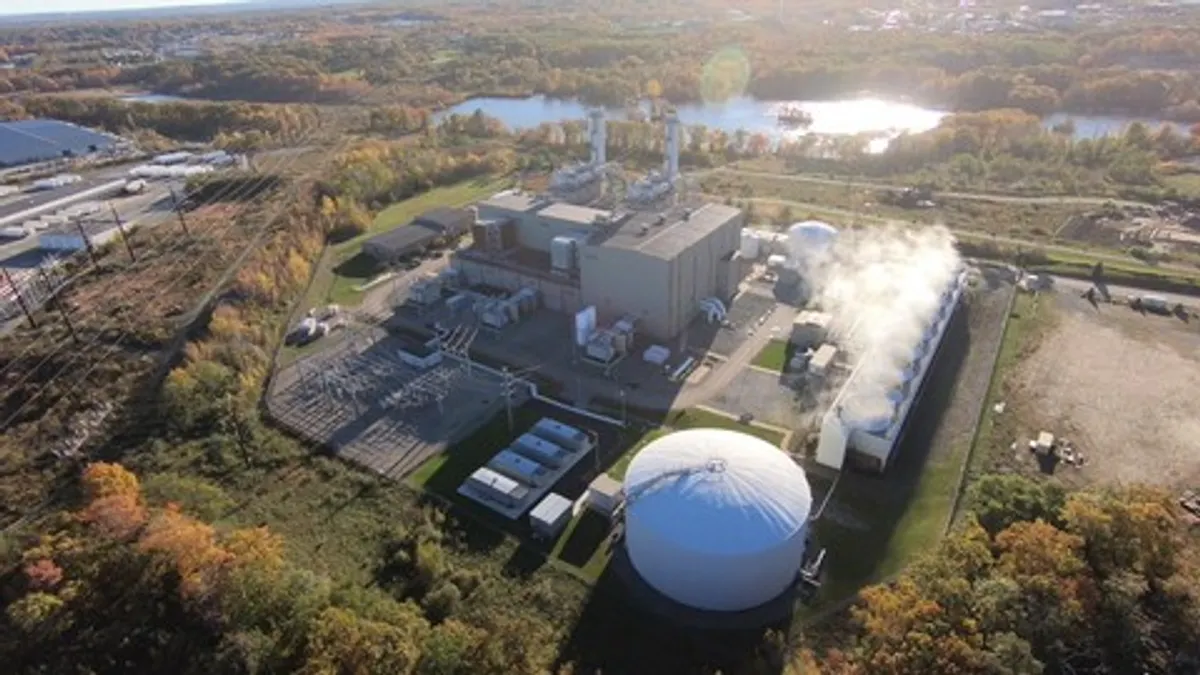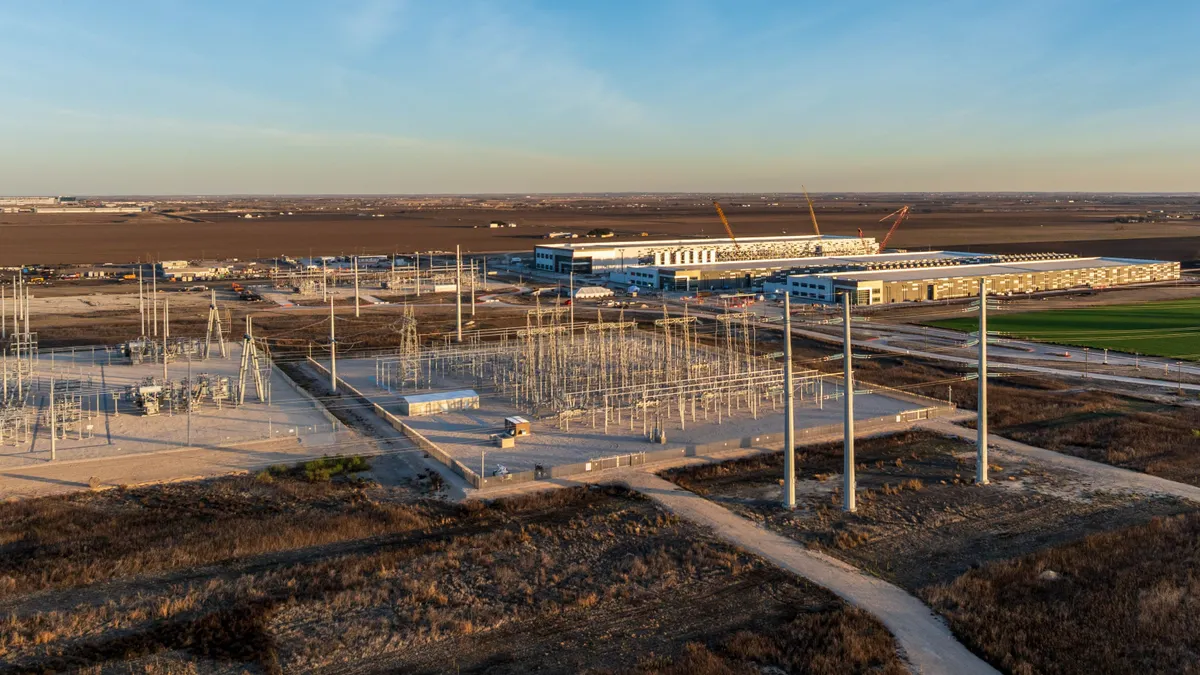
NRG is “aligned on principal commercial terms” with an unnamed “global cloud and AI hyperscaler” for the development of a 1.2-GW combined-cycle natural gas-fired power plant in Texas, the Houston-based independent power producer said Tuesday.
The announcement came as NRG reported second-quarter earnings and held a Tuesday call with investors and analysts.
NRG President and CEO Robert Gaudette did not go into detail about whether or how the data center interconnection pause announced by Texas Gov. Greg Abbott on Monday would affect the pending hyperscaler deal, which NRG cautioned is not yet final. Gaudette expressed confidence the pause did not pose a risk to the company's projects, saying "I think we're OK."
NRG aims to deliver the facility in late 2029 and could double its capacity to 2.4 GW in a future phase, according to its second-quarter investor presentation.
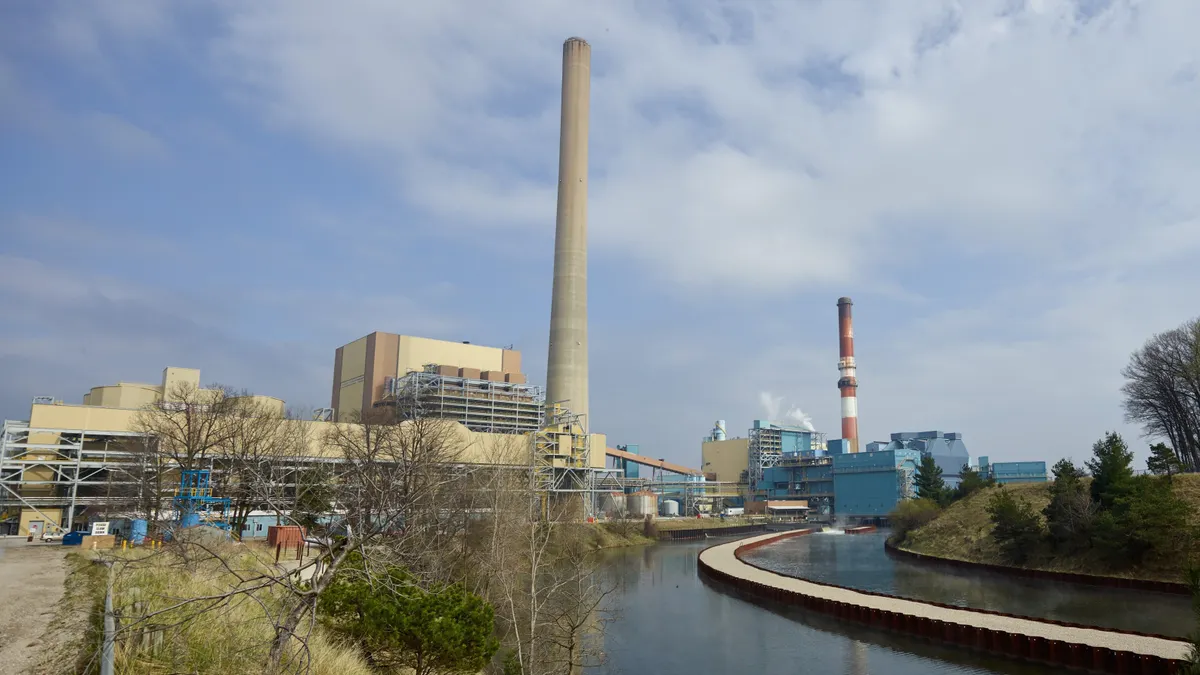
NRG’s quarterly earnings in its East segment increased $370 million from the second quarter 2025 thanks largely to the 13-GW generation portfolio it acquired from LS Power in January, Chief Financial Officer Bruce Chung said Tuesday.
However, Virginia’s return to the Regional Greenhouse Gas Initiative, or RGGI, will cost NRG about $70 million this year, Chung said. The move affects 1.2 GW of the LS Power generation assets and “was not included in our underwriting,” Chung said.
More upside for ‘bring your own power’?
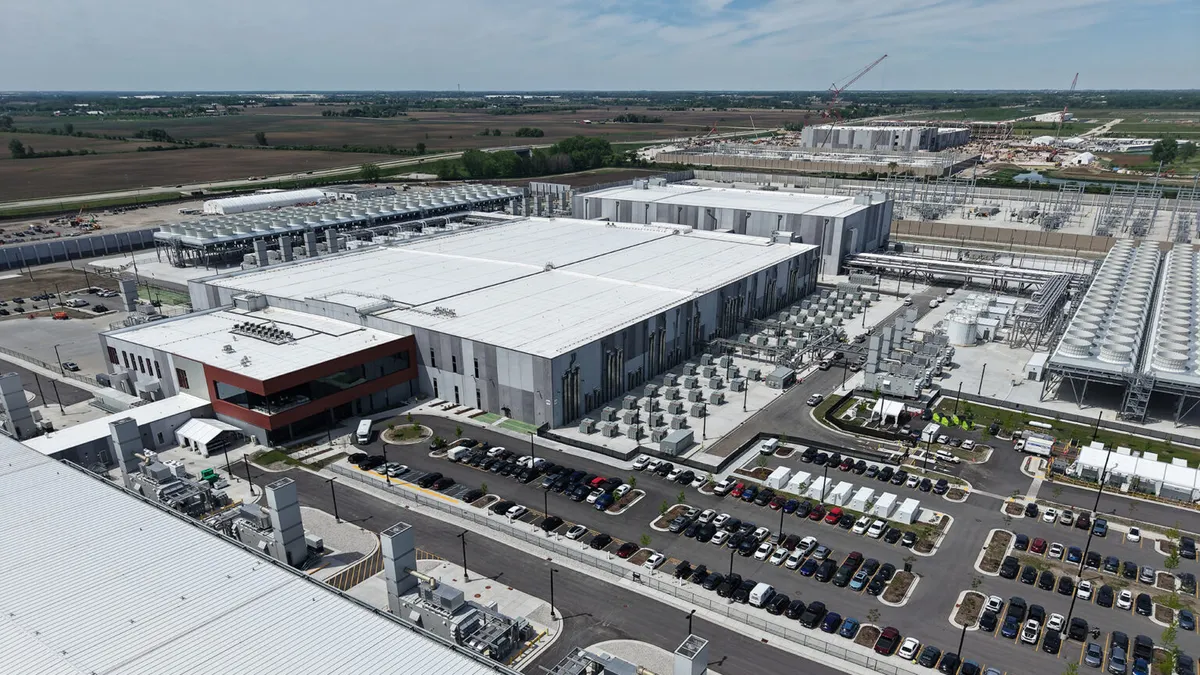
NRG said the potential hyperscaler deal advances a “bring your own power,” or BYOP, strategy that sees large-load customers backing incremental grid-connected generation through capacity and operating payments.
The deal has a minimum term of 15 years, is supported by a guarantee from the customer’s parent company and will get more than 95% of its cash flow from capacity payments, NRG said.
“Put simply, we're paid for the megawatts we build and make available, not for how much the data center runs,” Gaudette said. “Our return is established upfront and is not dependent on merchant power prices or natural gas prices.”
The roughly $2,670/kW implied build cost for the project’s first phase is consistent with recent data for new combined-cycle gas turbine builds suggesting utilities, IPPs and their customers should expect modern “baseload” gas plants to cost $2,000/kW to $3,000/kW.
Gaudette did not provide a timeline for a possible second phase that would add 1.2 GW to the project’s capacity, but NRG’s investor presentation indicated the company could have sufficient turbine capacity as soon as 2030. NRG has 5.4 GW of CCGT new-build capacity through 2032 via turbine procurement and construction partnerships with GE Vernova and Kiewit, it said.
It’s unclear whether Gov. Abbott’s “audit” of Texas data center projects seeking grid interconnections will affect the deal announced this week or NRG’s broader BYOP strategy. Abbott’s order pauses new data center interconnections pending a project-by-project review of their power needs, water consumption and financial impacts on Texas ratepayers — creating an “indefinite delay” that could threaten development contracts, according to a Tuesday note from Troutman Pepper Locke’s energy law practice. ERCOT responded by delaying its Batch Zero large-load interconnection study process, which industry analysts had expected to benefit IPPs like NRG.
Referring obliquely to “the developments in Texas over the last 24 hours,” Gaudette said Abbott’s move — and growing calls for data centers to pay for new capacity to offset load — vindicated NRG’s BYOP approach.
“The environment has changed. Our strategy has not. In fact, the direction of policy is moving toward the model we've been building from the beginning,” he said.
Texas Energy Fund update
In late May, NRG placed its T.H. Wharton power plant into commercial service near Houston. The 415-MW combustion-turbine facility is NRG’s first new-build generation asset in a decade and the first of several gas-fired generators it plans to deploy through the Texas Energy Fund, a state-funded mechanism meant to boost dispatchable capacity.
T.H. Wharton’s “on time and on budget” arrival validates large-load customers’ faith in NRG to deliver on large-scale power delivery projects, Gaudette said.
On Tuesday, NRG said it would bring more than a gigawatt of additional TEF-supported capacity online in Texas over the next two years. State bonus grants for TEF projects — T.H. Wharton is in line to receive up to $54.72 million over 10 years, NRG said — could mitigate those assets’ exposure to wholesale power price volatility in ERCOT.
At the moment, that volatility is a challenge for NRG’s coal- and gas-fired generation portfolio. The company’s Texas earnings declined $131 million year over year as round-the-clock power prices in the Electric Reliability Council of Texas’s Houston zone averaged $33/MWh in the quarter, below the company’s $52/MWh planning assumption, Chung said.
“With prices low and volatility limited, our fleet had fewer opportunities to run and our commercial team had fewer opportunities to optimize the portfolio,” he said.
Clarification: This article has been updated to clarify NRG President and CEO Robert Gaudette's comments regarding a pause on new data center interconnections in Texas.