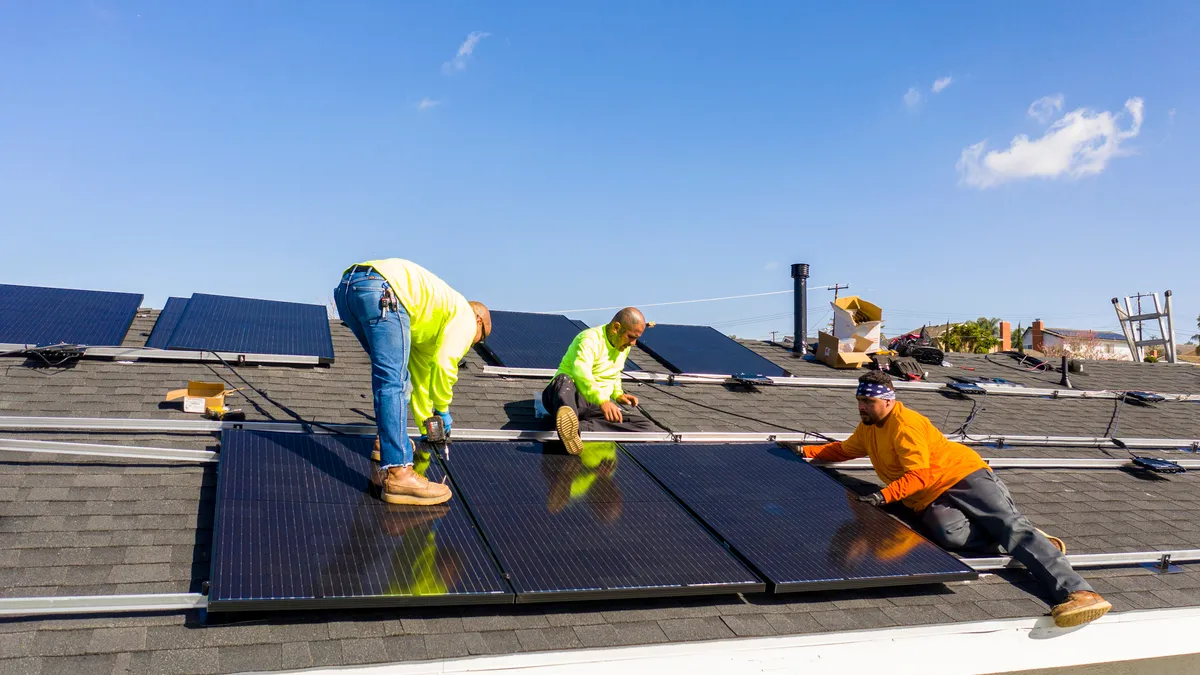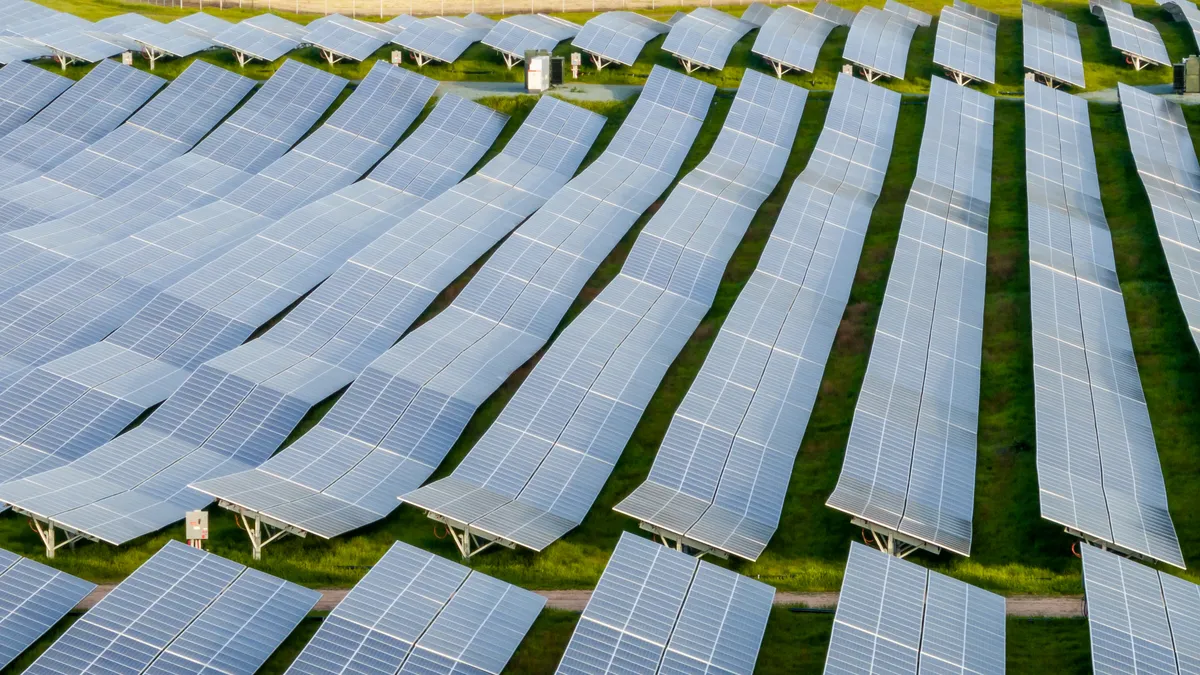
Utility-scale solar generation is expected to increase 19% this summer compared to last summer, reflecting a 20% increase in capacity, while coal generation is expected to decline by 2%, according to a report from the U.S. Energy Information Administration.
This summer is also set to be hotter than last year’s, EIA said, with an anticipated 3% increase in cooling degree days from June to September this year. That increase is set to correspond with a 3% increase in generation, or an additional 1,620 billion kWh.
“We expect the increase will be met almost entirely by increased generation from renewable fuel sources,” EIA said in a Short-Term Energy Outlook report released Tuesday.
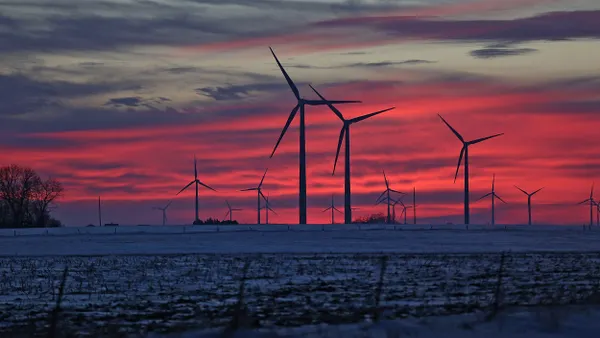
Wind generation is forecast to increase 10% year-over-year, “consistent with a nearly 8% rise in average wind capacity this summer relative to last summer,” EIA said. “We also forecast smaller increases of approximately 5% and 1% in hydro and nuclear generation, respectively.”
The report also forecast decreases in coal production “across all producing regions through at least December 2027,” and “coal consumption to decrease by 11% in 2Q26 compared with the same period last year.”
“Coal consumption is mostly driven by consumption in the electric power sector,” EIA said. “During 1Q26, coal consumption declined by 11% compared with the same period last year. A warm March and April combined with lower natural gas prices have reduced the need to burn coal.”
However, “warmer-than-normal temperatures may lead to an increase in coal consumption over the summer, especially if natural gas prices rise in tandem,” EIA said.