Dive Brief:
- The national average price of residential electricity increased by around 7.3% from April 2025 to April 2026, to 18.8 cents/kWh, exacerbating an affordability crisis that has ensnared a growing number of Americans despite efforts to address it, according to a report from the North Carolina Clean Energy Technology Center.
- As of last month, 46 states, the District of Columbia and Puerto Rico have taken 362 actions to address energy affordability, including utility business model reform efforts in New Jersey and performance-based ratemaking legislation in Indiana.
- The number of U.S. households with high energy burdens — meaning they spend 6% or more of income on electricity and fuel — is on the rise, according to the report. “Affordability is at the center of nearly all energy policy discussions today,” Autumn Proudlove, managing director at NCCETC, said in a June 29 statement.
Dive Insight:
Electricity prices are up and “the level of energy burden is also on the rise in the U.S.,” according to the center’s “50 States of Energy Affordability” report.
“By different metrics and measures of energy burden, the estimate of energy burdened households in the U.S. ranges from 13% to 21%,” it found. And on average, low-income households “spend 17.8% of their income on energy bills and transportation fuel, more than three times the national average.”
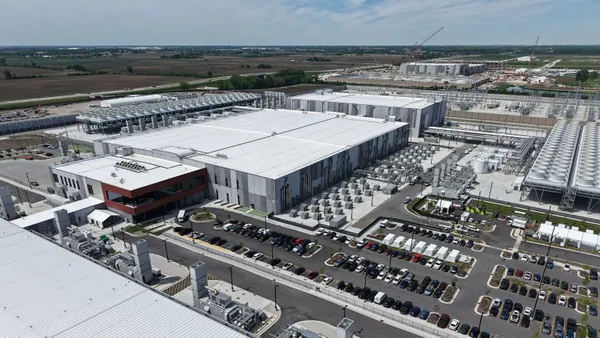
Amid a national conversation around rising electricity demand, particularly from data centers, the NCCETC report found most states are taking steps to address affordability concerns. The report also concluded there is a “range of factors influencing prices, working in concert,” rather than a single factor behind the increases.
“Large load additions can raise electricity demand and require new infrastructure to supply that demand, but some evidence suggests that certain large loads in some markets can actually put downward pressure on rates,” the report found.
Price increases can hit households hard. “Recent survey results suggest that over 50% of households have seen their electricity bills increase and 31% have experienced increases over $50 per month,” the report said. “The problems of energy burden and increasing electricity prices are neither new nor slowing down.”
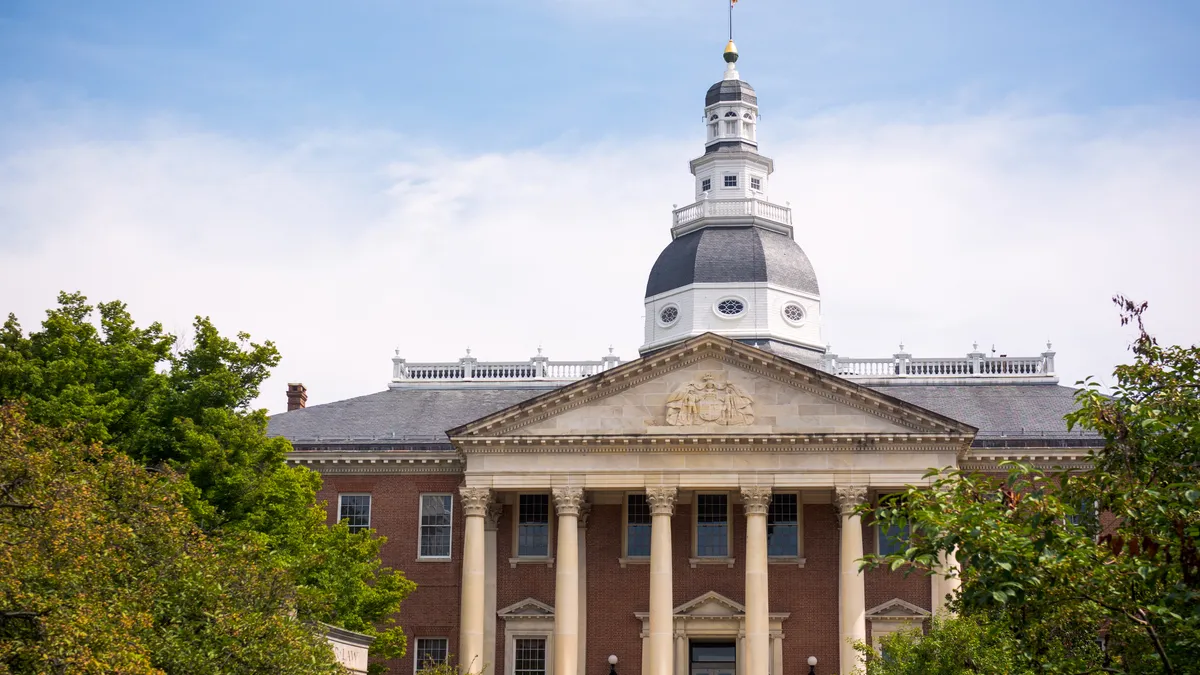
States have taken hundreds of actions. Maryland lawmakers passed legislation in April expected to lower residential electric and gas bills by at least $150 a year, and New Jersey has launched a proceeding to consider changing how utilities operate and profit in the state.
The NCCETC report is intended to serve as a catalogue of proposed and approved executive, legislative and regulatory efforts to address high electricity prices, which have been a “persistent” issue, the center said. A 2023 U.S. Census survey found 30% of respondents went without basic necessities to pay their energy bill, according to the report.
“State policymakers and utilities can take immediate action to lower energy costs for customers,” Nick Montoni, NCCETC senior program director, said in a statement. “Whether by improving utility efficiencies, increasing utility oversight, or providing direct payments or programs to customers, there is a range of options that can ease energy costs, without waiting years to bring new infrastructure online.”
A June report from the American Council for an Energy-Efficient Economy found U.S. electric utilities are increasing their investment in low-income energy efficiency programs, but the growing number of Americans considered income-challenged means a “gap” in funding persists.
Most utilities “are still underinvesting in low-income programs relative to the corresponding proportion of income-qualified population in their service territories,” the ACEEE report said. It noted a 14.4% gap, on average, between utility investment in programming for income-limited customers and the prevalence of low-income households, based on 2024 program reports and other sources.