Dive Brief:
- Electric and gas utilities in the second quarter asked state regulators to approve $9.2 billion in rate hikes, up 26% from the $7.3 billion in rate increase proposals filed in the same period last year, according to an updated report released Tuesday by the advocacy group PowerLines.
- In the first half this year, utilities asked for $18.6 billion in rate hikes, down from about $25 billion in the same period last year, according to data collected by the nonprofit.
- The report comes as average U.S. residential electric rates increased 7.3% from the year before to 18.8 cents/kWh in April, according to the U.S. Energy Information Administration. As a result, “regulators face mounting pressure to scrutinize utility spending plans while balancing the infrastructure investments that a modernizing grid genuinely requires,” PowerLines said.
Dive Insight:
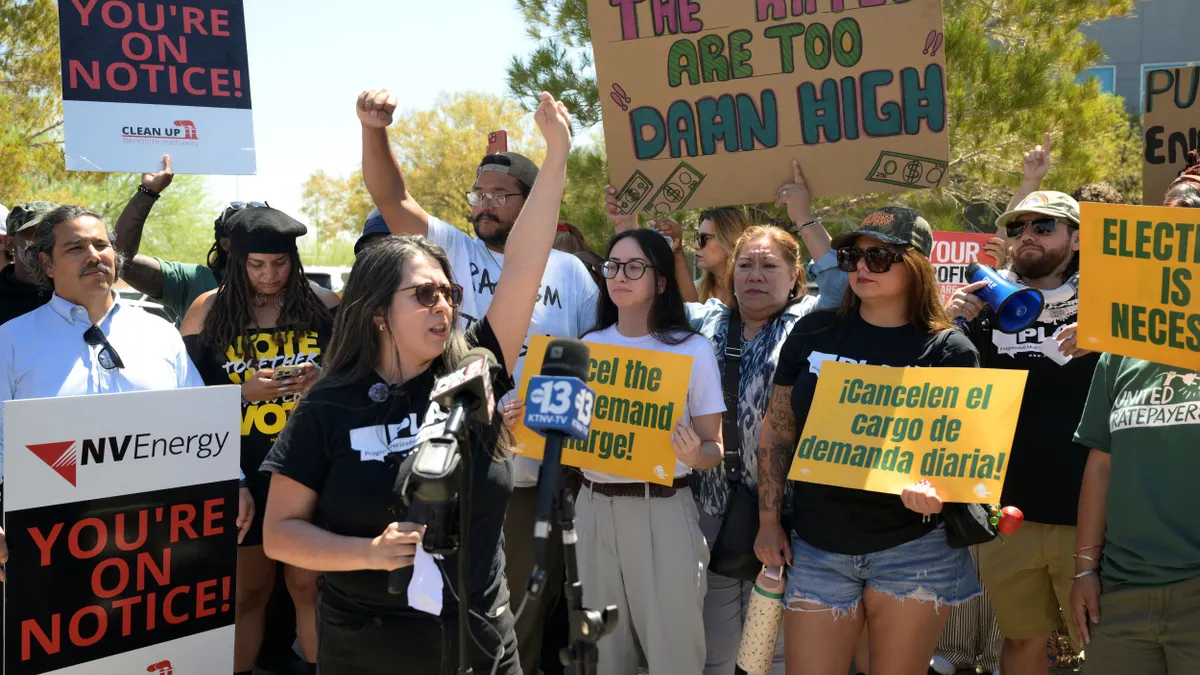
The utility sector appears to be entering a capital investment “super-cycle” amid growing affordability concerns. Backlash to rising bills has prompted protests by consumers and their advocates, as well as new state laws intended to tackle the issue.
The Edison Electric Institute, a trade group for investor-owned utilities, estimates that IOUs will spend about $1.4 trillion from this year through 2030 on capital investments. EEI expects capital expenditures will jump 17% this year to nearly $239 billion, from about $204 billion in 2025.
Some utilities contend they can make the investments without significantly affecting their rates. FirstEnergy, for example, is proposing to increase its electric rates in Ohio over three years by about $392 million — partly to cover roughly $2.5 billion in planned capital expenditures. The company says this will increase average annual residential customer bills by less than 3% a year.
According to PowerLines and public filings, other rate hike proposals utilities filed in the second quarter include:
- Dominion Energy in Virginia is seeking about $1.5 billion across three rate requests;
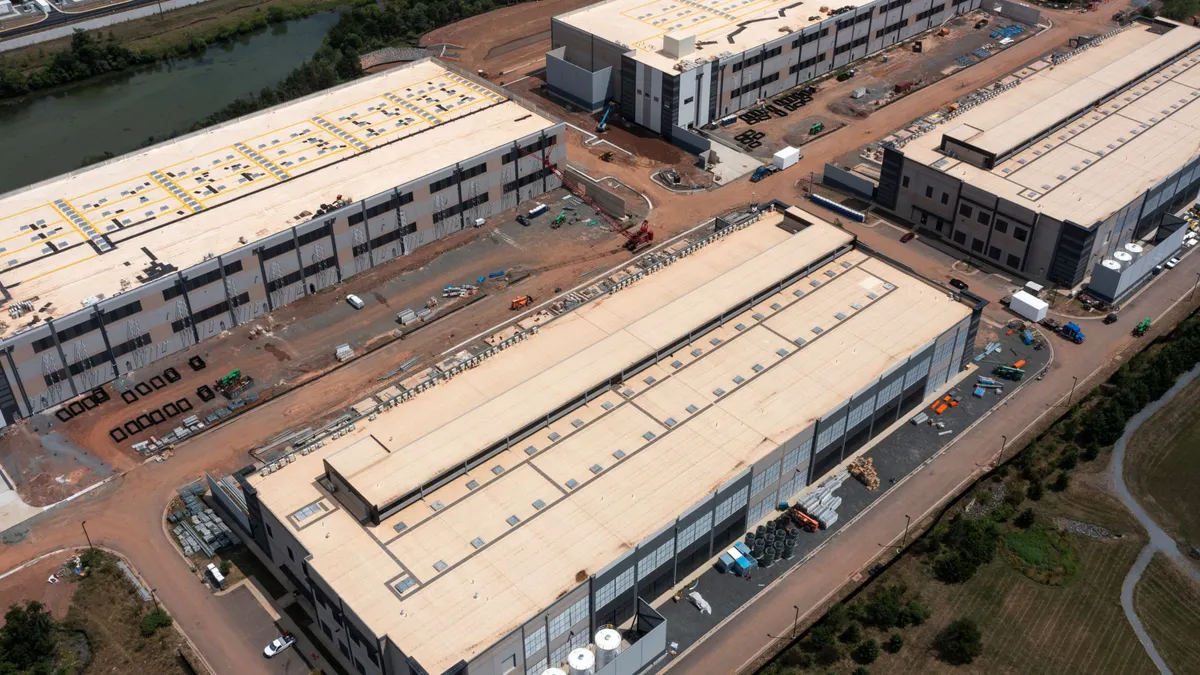
- Oncor in Texas requested the largest single increase in the second quarter, at $1.2 billion, driven largely by transmission and distribution investments to meet demand from the oil and gas industry and data centers in the Permian Basin;
- We Energies in Wisconsin is seeking about $606 million in rate increases;
- DTE Energy in Michigan is seeking an increase of $474 million; and,
- Consumers Energy in Michigan is asking for a rate hike of $456 million.
The proposed rate increases in the Midwest total about $193 per customer, followed by $172 per customer in the South, $135 per customer in the Northeast and $110 per customer in the West, according to the data from PowerLines.
Utility regulators will scrutinize the rate hike proposals in the coming months.
“These requests, while often approved at a lower cost than utilities propose, have a high chance of reaching consumer bills in some form,” PowerLines said.
State regulators approved 58% of the total costs utilities sought to add to their rates from 2023 through 2024, the organization said.
U.S. residential customers paid 18.8 cents/kWh on average in April, up 7.3% from the year before, according to the latest data from the Energy Information Administration.
Those costs ranged from 12.4 cents/kWh in North Dakota to 46.6 cents/kWh in Hawai’i. The other highest cost states for residential customers were California at 35.3 cents/kWk, Connecticut at 32.2 cents/kWh and Massachusetts and New York at 29.5 cents/kWh.
Eversource Energy’s Connecticut Light and Power subsidiary is preparing to seek a $503 million rate increase, according to a May 20 filing at the Connecticut Public Utilities Regulatory Authority. If approved, it would increase residential rates by about 13%, the utility estimated.
CL&P said it would show PURA it has strategies to keep customer bills as stable and affordable as possible, while keeping the distribution system reliable.