Bryce Yonker is executive director of Grid Forward, an industry organization working to advance grid modernization.
Every fall we hold a gathering to bring together the community that is driving modernization on the electric grid. I am continually reminded of the astounding innovation that is accelerating to solve the grid’s toughest challenges.
When we started this event nearly 10 years ago, macro conditions on the grid were not dynamic enough for me to have imagined that we would need to focus on the topic of grid affordability. “Surely, the ingenuity and expertise of the increasingly capable solutions we have will help us maintain the core components of the system,” I was likely thinking to myself.

That thinking, subconscious or otherwise, has proven wrong. Average electric rates in the U.S. have grown from 10.59 cents/kWh in 2020 to 13.63 cents/kWh in 2025, a 29% increase. And while rates are going up, major outages (one of the ways to measure quality of service) have surged in the last decade.
This year, Grid Forward decided to focus on one of the most fundamental but also one of the most complex aspects of the electric system: how to keep up with the electric system’s multifaceted needs but also maintain a focus on affordability. No one wants to pay more for their electricity than they need to.
Modernizing the grid is a very complex, multi-dimensional challenge, which naturally begs the question of what can be done to also improve energy affordability? The answer is similarly complicated, as we saw at the gathering. So without diving too deep in any one area I prepared this overview of 12 aspects that — if they are done effectively and in conjunction — can indeed help address surging pressures on electric rates.
- Do the most of what puts downward pressure on rates. We have known for decades that cost-effective grid solutions are available to help relieve surging pressure on electric rates. We cannot take our eyes off the facts that scaling energy efficiency, deploying demand-side management and implementing other forms of grid flexibility are front-line defenses. Can these alone guide our way out of the dynamics on the system now? Given the scale of system issues, constraints, load growth and other factors, NO, it cannot. But as a front-line defense to upward pressure on rates we must scale these solutions to their fullest cost-effective extent.
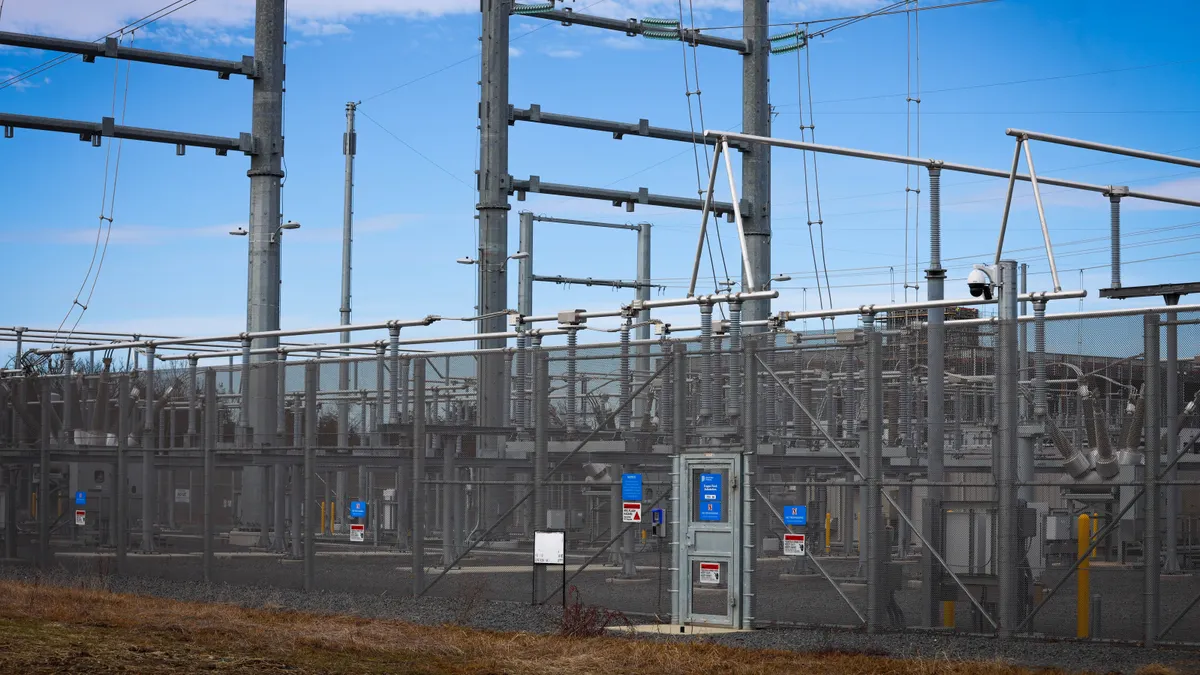
- Standardize. Many (probably most) of the complex assets that go into the grid are unique. Take the large equipment that is in substations. Most of the utility buyers still essentially create a custom order for each of their major transformers. The number of SKUs for many of these assets stretches into the hundreds and they are all essentially serving the same function. We need industry coordination to coalesce on standard equipment parameters so that critical equipment can more or less perform and function the same. The concept may seem simple: Drive out complexity, and you drive down cost, but this has proven tricky. As supply chains remain stubbornly expensive, now is as good a time as ever to get serious on the standards topic.
- Align incentives. The basic principles that guide state regulation to oversee and ensure that investments made into the grid are used and useful (i.e. assets invested into the grid are prudent) do generally seem to work. Well, at least for the most part. If you had asked me 20 years ago when I was starting in this sector if I thought we would be better at aligning outcomes in the regulatory model with all the innovation coming at the system, I would have confidently said “yes.” But if we are improved in this area at all the progress has been marginal and insufficient. We must look much more seriously at the regulatory construct to align directly to the required outcomes on the grid, which, at the very least, must consider efficient use of capital to achieve the same outcomes. I could go down the rabbit hole here on performance-based regulation, TOTEX capital models, locational marginal pricing, and more, but that’s for another article.
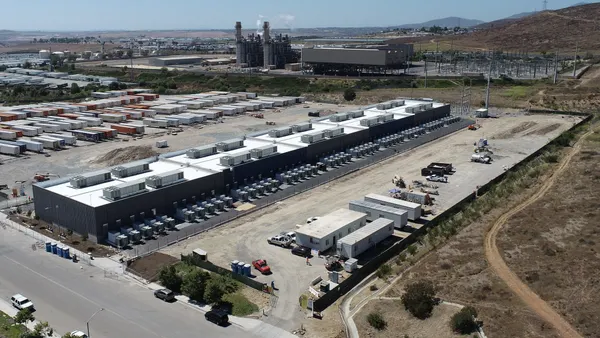
- Get large-load rates right. The time of the last century when we had three static rates for residential, commercial and industrial customers is gone. We need dynamic rates that take into account the actual needs and pressures on the system. Also, at the moment (maybe for a long moment) we need to more clearly take into account a clear and present change on the system — the way very large loads are showing up. Major digital infrastructure projects are ballooning from what just a few years ago was connection of 30 or maybe 100 MW to projects that are 500 MW, a GW or even multiple GWs. These are city-size projects — each one. We, literally the people who pay electric bills, cannot afford to get this wrong. The major customers who demand this much power have to pay the full share of ALL the costs that are incurred to the system when they connect and take on this much electricity. Localities will have different ways to get this accomplished but getting large-load tariffs right is not something that can wait any longer.
- Stop tariffing the components that go into the grid. The news cycle in the last few months feels like a whirlwind, but remember back to just last year when the administration started to tariff almost all goods and basic materials. What do you think the grid is made of? The basic building blocks are steel, aluminum, copper, wood and a whole bunch of other materials that we both produce in the U.S. (more on that in a second) and get from global markets. What do you think happens when we tariff and raise the price on these materials? It drives prices up. Almost immediately.
- Learn (again) how to make core components domestically. It’s hard to argue that there are national competitiveness and security implications with bringing back to this country capabilities to manufacture critical components for this grid. Today’s supply chains on the electric grid are complex and global and are also stretched thin. If there is any way to break through the fray of the policy whiplash that seems to be accelerating in this country, we need steady industrial policy that allows us to build up the long (and hard) processes of making more critical grid components in this country. The more we can make here, the better, but yes we live in a global supply chain, so let’s be sure and integrate with places that will cooperate. Supply chains for nearly all parts of the grid are stretched. With strong demand now, it’s as good a time as ever to expand domestic supply of critical grid components.
- Get market policies and governance right. In all the hard work to advance energy markets in North America in recent decades, did we get any wins? Yes. Wider area markets which are more fully integrated give much needed flexibility to energy systems. Do we have more work to do to improve this? Also yes. Markets must be reformulated for an era of zero-marginal cost resources, storage and a need for 24/7 resilience. RTO governance, also cobbled together for the 1990s, needs reform.
- Revive energy efficiency alongside load flexibility and align it with housing policies. As Peter Fox-Penner argued in the event’s closing panel of the recent GridFWD event, a high-rate environment and a pressing need to expand housing supplies and make our housing stock more affordable dovetail well into a forward-looking, more affordable grid policy. Peter in particular cited this new report from the Housing Multiplier Project. We can get a double win by addressing the shortfall in housing with the need for more cost effective grid flexibility.
- Use and optimize the system we have. The electric grid is built (as everyone reading this will well know) to meet peak needs. That often means that during more “normal” times the system is underutilized. New independent research confirms that there are a host of ways that can allow us to get more out of the infrastructure we have, such as reconductoring instead of building new transmission corridors. We must implement such capabilities at scale. Why? Well, for one, building new infrastructure is expensive and takes a long time. So while we lay the smart foundation (more on that in a second) of building the needed expansion of grid infrastructure, let’s use what we have better.
- Get the most out of every dollar spent. No surprise, a dollar does not go as far as it did even a few short years ago. Everything is more expensive. And that includes almost everything that goes into and on the grid. So grid investments need to go as far as they can. Most grid projects have a number of options to weigh and consider what is ultimately deployed. It has never been more important to have transparent and thorough consideration of all viable options on the table. Will shorter term options be sufficient in the mid to long term? Honestly it’s hard to say, but there are rarely major regrets with such investments.
- Get all the parts of planning right and integrated. There are planning processes for load (and large load), transmission, integrated resource plans, distribution system plans and more. All these plans are important — frankly given dynamic grid conditions they have never been more important. All of these processes are being enabled and impacted by technology. We have better forecasting, more complex modeling, better tools to understand current and potential future grid conditions. It is critical that each of these silos is able to connect and understand the interdependencies among them. Doing this effectively is not going to be easy, so grid stakeholders must work to not get bogged down in that complexity.
- Consider real lifetime value. Traditionally, utility planners design power portfolios to minimize the total cost of ownership (TCO), or they at least weigh options to select least cost options. However, these approaches fail to account for customer bill volatility or other changes in the price/value equation. As Raiford Smith, who joined Peter and me on the GridFWD closing session explained, for example, a portfolio heavily reliant on natural gas assets might appear lowest-cost on paper, but it exposes customers to severe rate fluctuations due to gas price volatility at some point in the future. To optimize true value, planning must transition from focusing on minimizing TCO (or least cost) to a dual-objective framework that incorporates TCO and customer bill volatility (mathematically, this requires a stochastic analysis and use of the Modified Sharpe Ratio).
There is little chance that we can keep electricity prices from outrunning an already hot inflationary environment if we don’t take the factors outlined here and implement them at scale. And the costs are high. Electricity, the basic service which powers our lives and economy, is at threat to have compounding costs on the surge we have already recently seen.
Ten years ago, the grid challenges of integrating expanding solutions while improving reliability seemed daunting. Today’s challenges seem an order of magnitude more diverse and interrelated, but so are today’s technologies, business models and markets. Let’s lean into these 12 areas and create a modern grid that helps keep energy as affordable as possible for the next decade and beyond.