Patty Durand is founder of Georgians for Affordable Energy, a nonprofit advocating for fair utility rates and clean energy. In 2022 she was a candidate for the Georgia Public Service Commission, and she served as president of the Smart Energy Consumer Collaborative from 2010-2020.

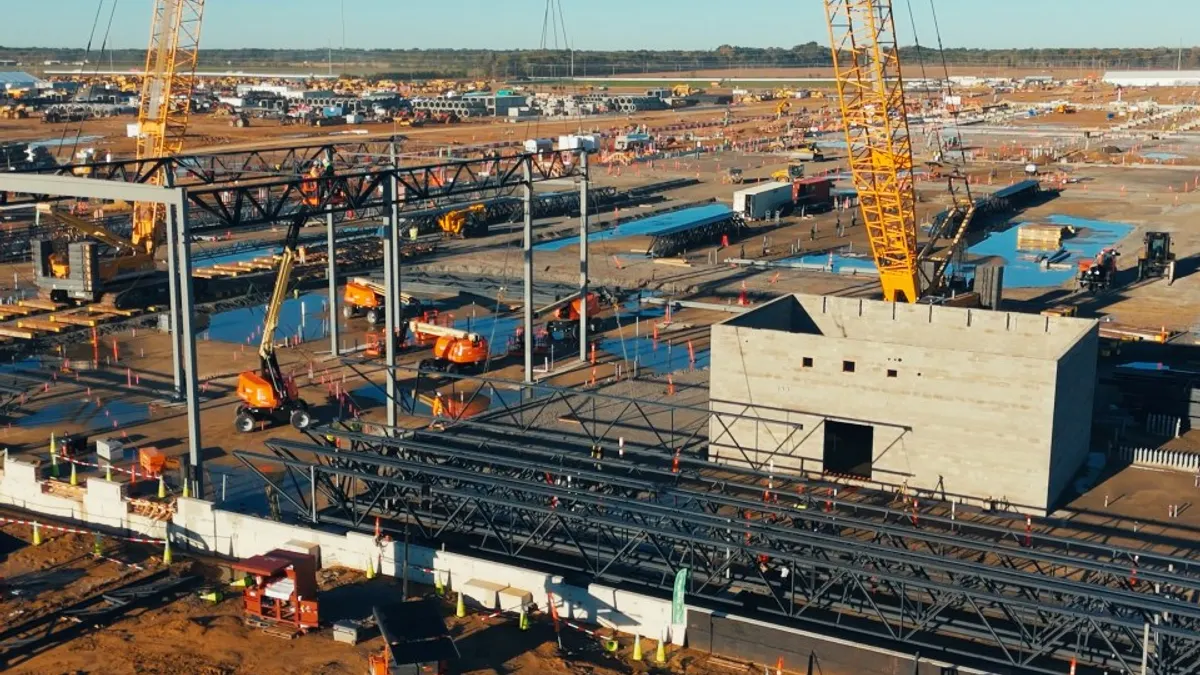
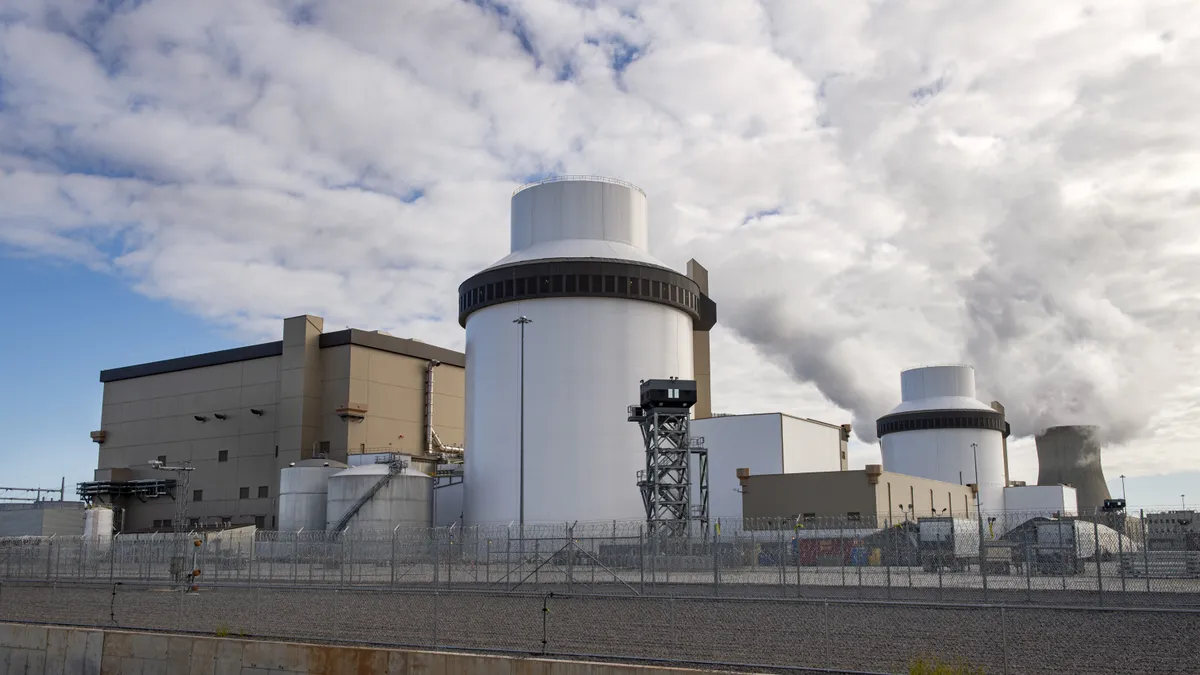
In April 2024, Georgia Power completed the first new nuclear units in the United States in 30 years. But for Georgia Power customers, the project did not come with a celebration: It came with an almost 25% rate increase.
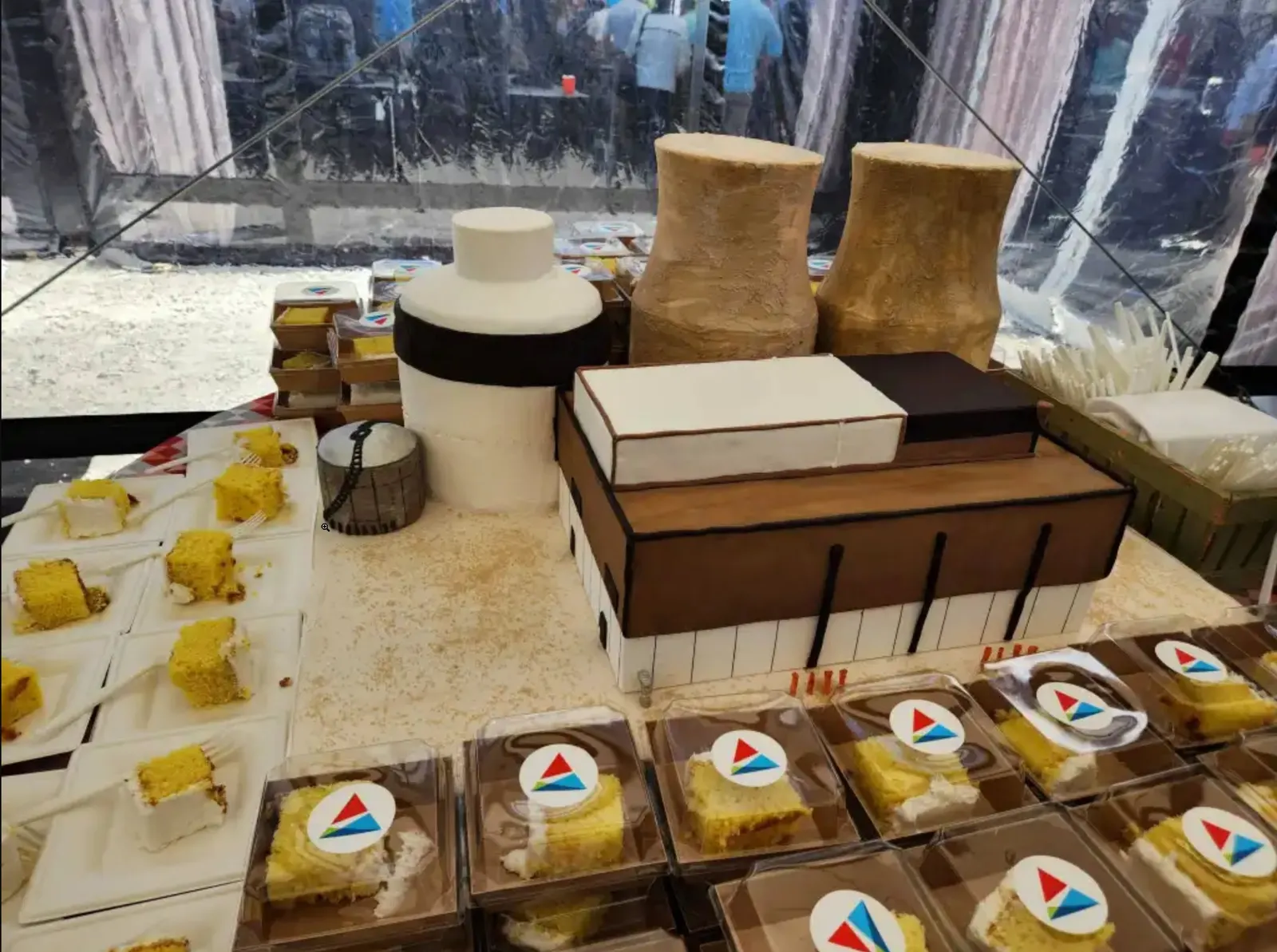
And Plant Vogtle came with its own “Let them eat cake” moment for Georgians: On May 31, 2024, U.S. Energy Secretary Jennifer Granholm joined federal and state officials at a ribbon-cutting ceremony on site in Waynesboro, Georgia. There, she called for building 200 more gigawatts of reactors without mentioning the Vogtle’s $36 billion price tag, while attendees enjoyed cake shaped like nuclear reactors.
Throughout construction, as cost overruns ran into the billions of dollars, these same regulators declined to put consumer protections in place, claiming that a thorough review to determine what costs were prudent and reasonable would take place at the end. Yet that review never happened. Georgia is one of only a handful of states with no consumer utility counsel or advocate to represent consumers in complex, billion-dollar rate cases. For Vogtle, that absence had profound consequences: as the project neared completion, PSC staff and Georgia Power reached an agreement under which cost overruns would be passed directly to customers, without a full record of hearings or prudency review. The result is little national understanding of the drivers of the cost overruns, allowing all kinds of beliefs about nuclear energy to take root without a factual record.
What does that have to do with the national push for nuclear energy underway now? There is a strong belief among proponents that the next time will be different, that a learning curve exists from Georgia’s experience. Claims that Unit 4 was cheaper to build, or that there was any meaningful learning curve, are not backed up by facts or documentation. If that were true reports documenting that amazing outcome would be public and news stories would proliferate, but neither exists.
In fact, nearly every major claim made leading up to and throughout the project was false. Georgia Power claimed for years that Plant Vogtle was on time and on budget when it wasn’t. South Carolina Electric & Gas and Westinghouse made false claims of progress on their twin nuclear project, using the same AP1000 reactor design as Georgia, leading to criminal charges and massive fines for both utility and Westinghouse executives when the truth was revealed.
The political fallout in Georgia has been significant, too. Last November, two Republican Public Service Commissioners were removed by voters in decisive elections, the first time in 20 years that Democrats were elected to the commission. The following month, a special election flipped a traditionally Republican-held seat to a Democrat who campaigned on Public Service Commission accountability. And last month, a third Georgia commissioner announced she would not seek reelection.
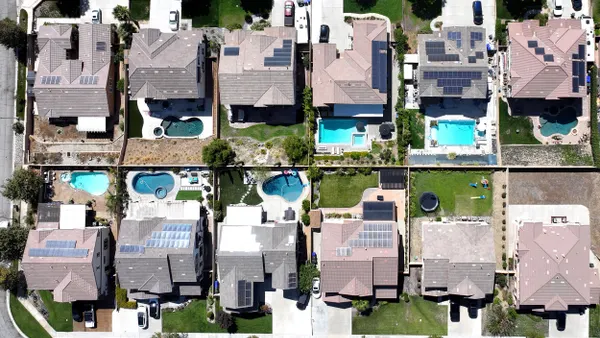
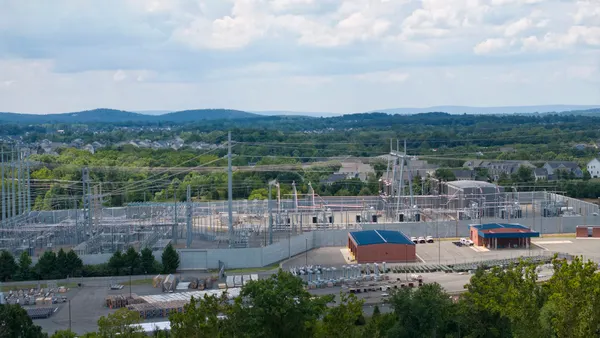
This is what makes the current push for nuclear power so troubling. It is happening at a time when the economics of energy have fundamentally changed. Renewable energy, especially solar and wind paired with battery storage, is dramatically cheaper and faster to deploy than nuclear projects. Flexibility is what a modern grid needs now, not the large baseload generating stations and high voltage transmission lines of past. By pursuing nuclear and gas for data centers, Georgia is looking backward. Anyone following this path is too.
The truth is that Texas deployed 30 GW of solar generation and 6 GW of storage in just the past four years at a cost of about $36 billion. Georgia deployed 2 GW of nuclear generation over 15 years also at a cost of about $36 billion. That is typical for nuclear power: projects are either canceled at great cost to ratepayers, as in South Carolina, or are built at great cost to ratepayers as in Georgia.
So why are the voices promoting nuclear generation only growing louder? The answer appears to be an outdated view of the electricity grid among some, and the pursuit of profits among others. This dynamic is clear from the substantial profits that Plant Vogtle delivers to Georgia Power. Westinghouse, SMR startups, and other utilities are eager to pursue big profits from nuclear power too. Even more disturbing, the Trump administration announced a $6 billion merger of Trump Media and nuclear fusion company TAE Technologies, while it relaxes nuclear safety protocols that benefit allies.
Plant Vogtle offers a cautionary tale to the country: 18 months after Georgia PSC commissioners enjoyed cake in the shape of nuclear reactors, two of them were gone. This year, a third commissioner will be gone. Elected officials must understand that voters will not reward you for pursuing nuclear power: They will remove you.