Senior Manager Mike Jacobs leads the Union of Concerned Scientists’ work on electricity markets and regulatory reform.
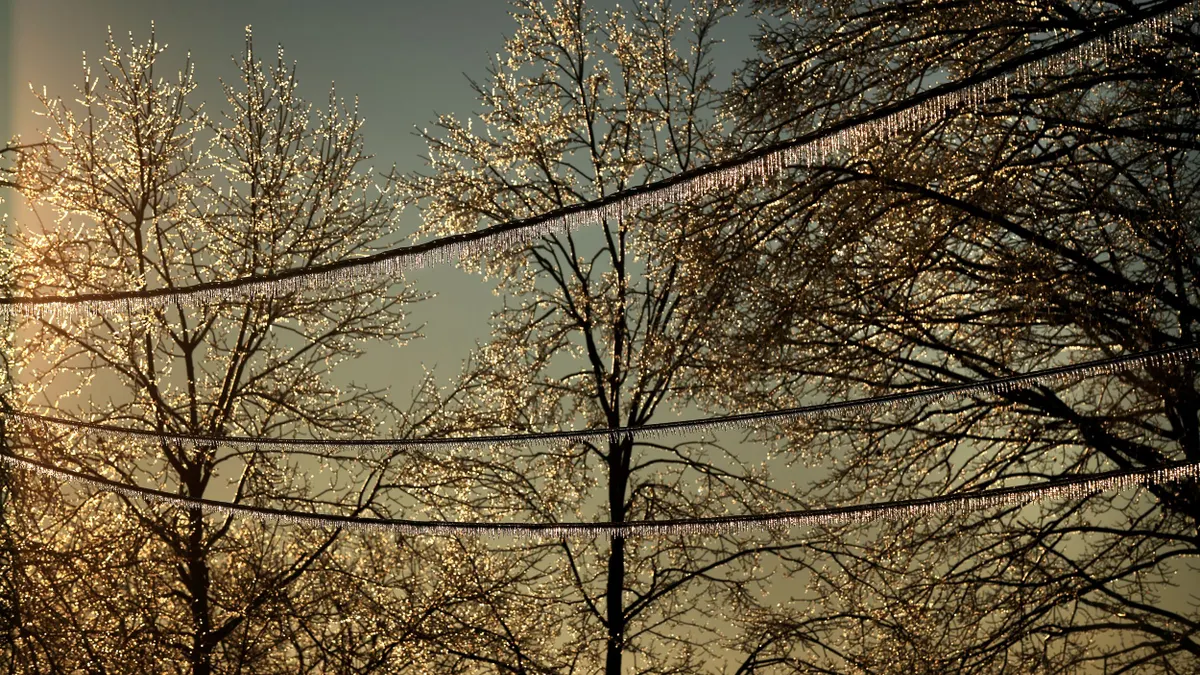
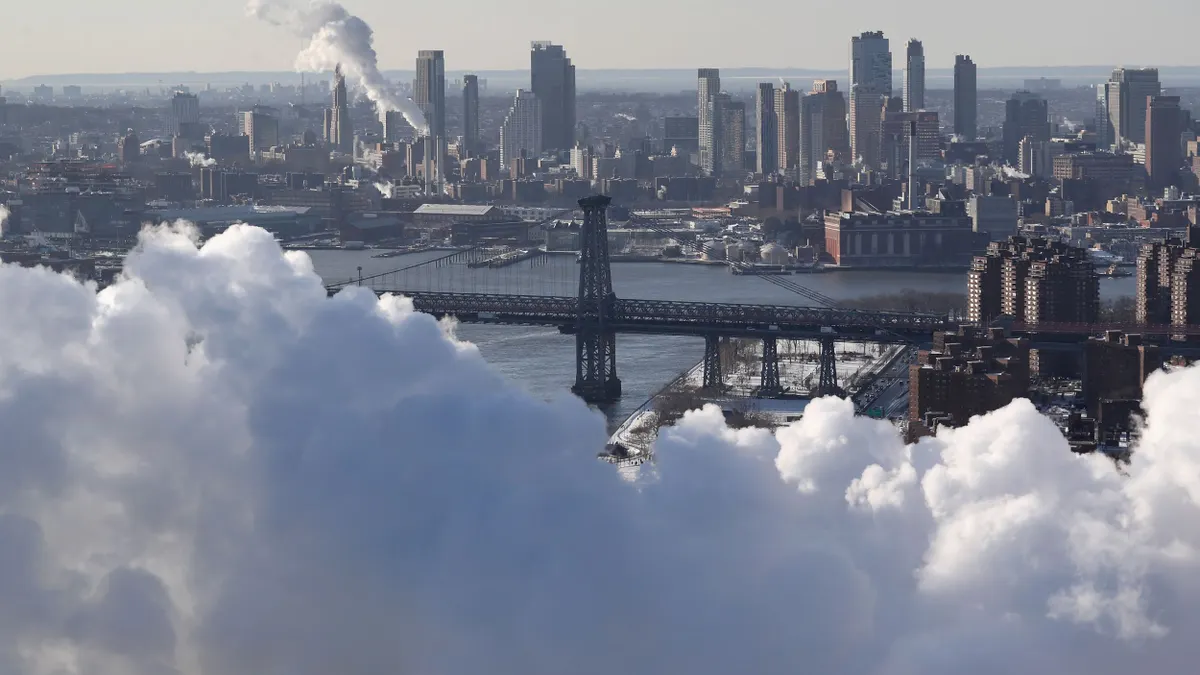
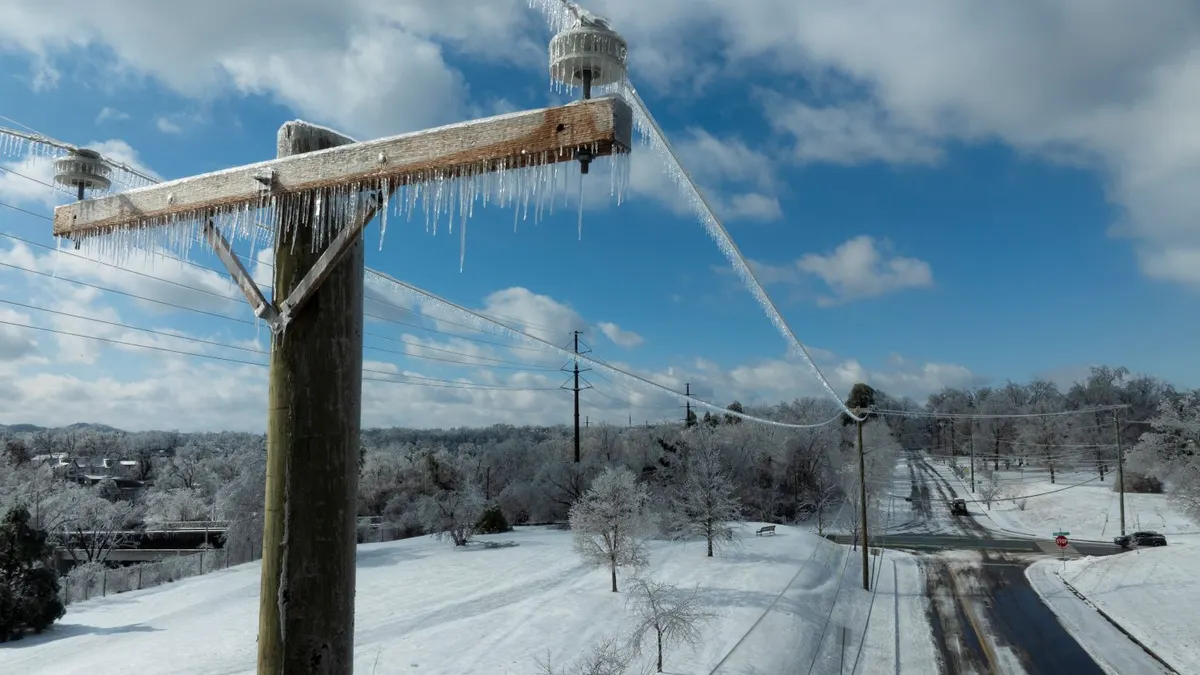
The winter storms that rocked much of the country in January severely tested the electric grid in numerous states. Dozens of people tragically lost their lives during the extreme weather, which left millions of people without power for hours and even days. While most people were far luckier, they will see price spikes and long-term increases in their electricity bills as electricity demand set records to keep homes and businesses warm, and data centers running, during such frigid temperatures.
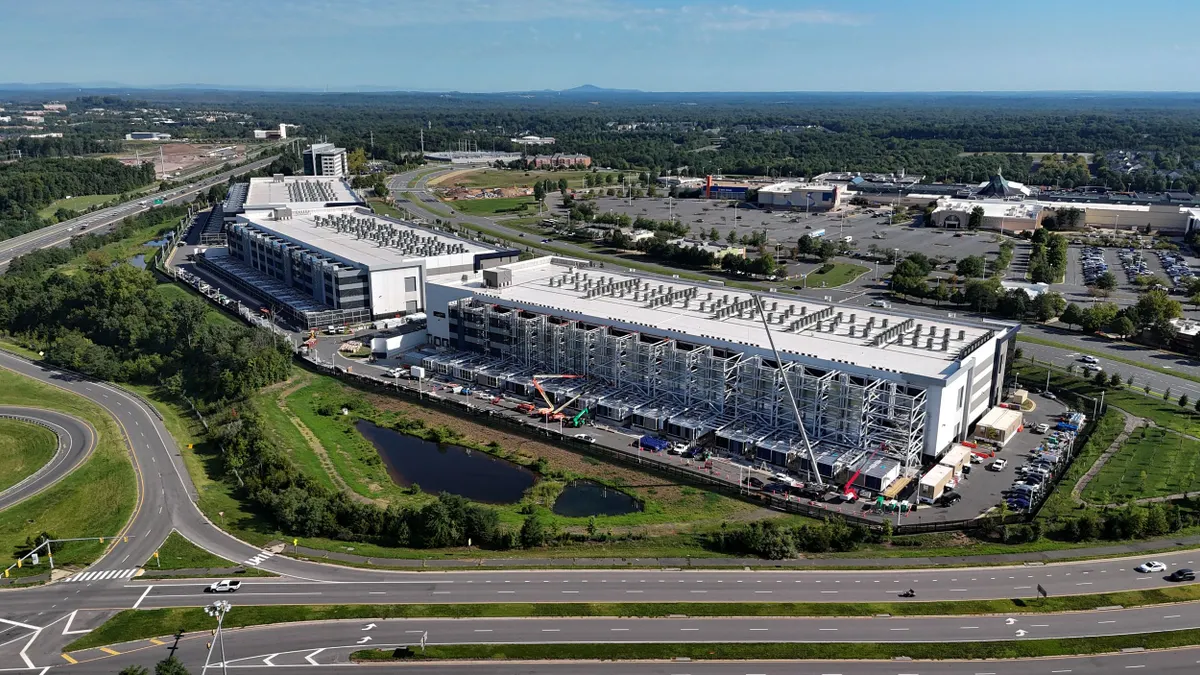
In many places, such as the PJM Interconnection market, new demand for electricity from rapid data center growth is already straining the grid and raising electricity costs. In January, the U.S. Department of Energy went so far as to issue emergency declarations with the apparent aim of preventing an energy shortfall during the life-threatening cold.
As an energy analyst at the Union of Concerned Scientists, I immediately dug in to understand the impact of data centers on grid reliability and affordability during Winter Storm Fern. My conclusion? The combination of uncontrolled demand from the data center boom and worsening extreme weather events put our electric system at heightened risk. Clear impacts on everyday people through higher rates and more dangerous power outages are already here and will only grow if policymakers fail to act.
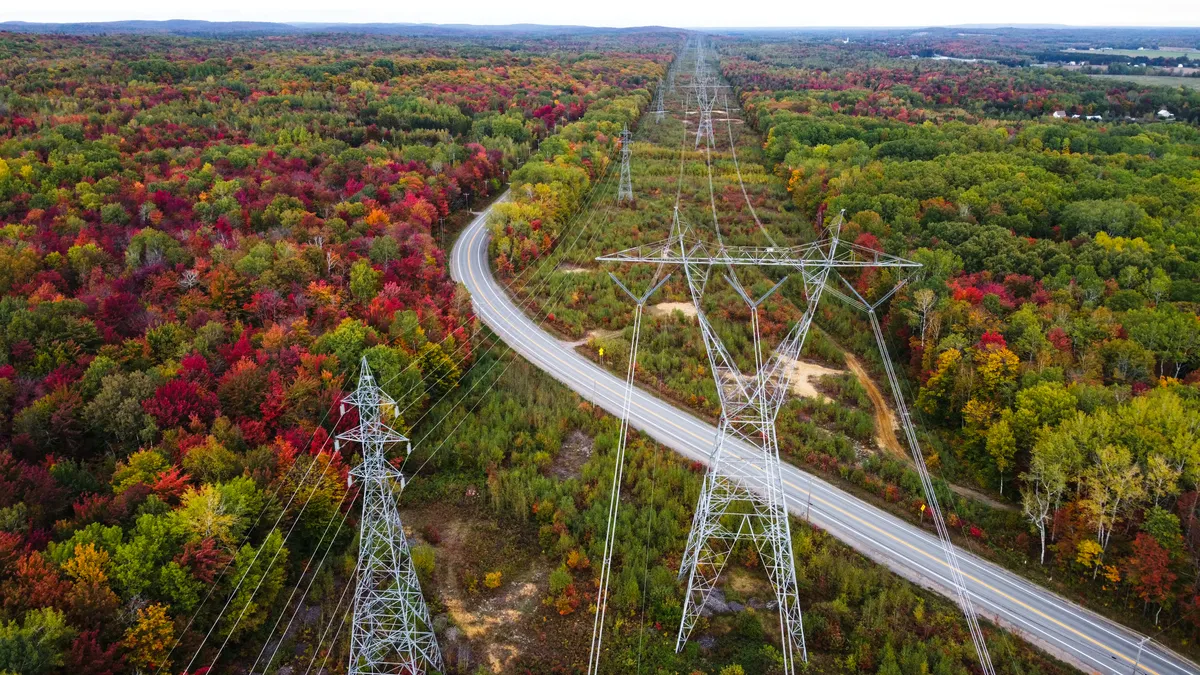
As a recent report from UCS highlights, all of the largest blackouts in the central United States over the past decade have been caused by extreme weather. It’s no secret that the U.S. electric grid is antiquated and in desperate need of modernization, including comprehensive transmission planning to strengthen reliability by improving power sharing across regions. That’s in large part due to a nationwide reliance on transmission and distribution lines that were constructed in the 1950s and 1960s with a 50-year life expectancy. And back then climate science was not so well understood, at least outside of fossil fuel company board rooms.
Now, much of the grid infrastructure we rely on has reached or surpassed its intended lifespan. As recommended by my colleagues in “Power After the Storm,” this essential infrastructure requires significant resiliency planning and investment to reliably meet growing energy needs in a climate changed world.
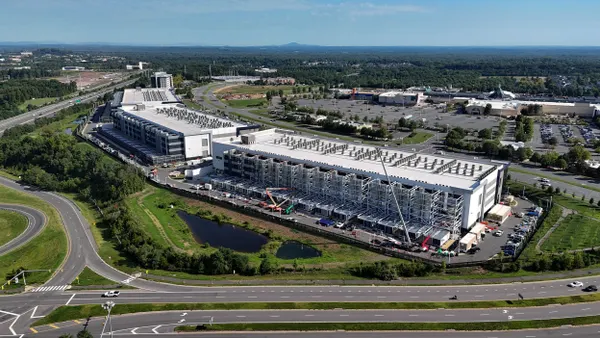
Unfortunately, data centers pose a serious risk of exacerbating this unreliability, particularly in regions with more pronounced data center energy demands. The PJM region, which stretches across 13 states and Washington D.C., is home to the largest concentration of data centers in the world. Between 2024 and 2025, the increase in just four utilities’ peak demand rose 4,400 MW while supply increases in the region failed to keep up. Data centers under construction in the United States currently total a reported 30,000 MW, an 80% increase from present data center electricity demand.
This concern is compounded when utility companies like Entergy claim that they can reliably support Meta’s largest data center in the country in Richland Parish, Louisiana, but then we see large swaths of people in their service area across Louisiana and Mississippi lose power due to widespread outages during this winter storm. A lack of transparency was a key feature of the Louisiana Public Service Commission’s rushed approval for this project last year. The public deserves more insight into how a data center that could draw more power than the city of New Orleans will impact grid reliability and could leave people without electricity during life-and-death situations. The evidence shows that so far, Entergy has not adequately demonstrated its claim that it can power Meta’s data center while reliably serving other customers. Utility customers also deserve answers to how utility companies will mitigate other risks to consumers, such as soaring electricity bills.
Rising energy costs are a major issue contributing to community pushbacks against data centers, resulting in dozens of project cancellations last year. In January, my colleagues released a comprehensive nationwide modeling analysis projecting nearly a trillion dollars in wholesale electricity costs attributable solely to data centers by 2050. Last fall, I uncovered how data centers in just seven states cost ratepayers over $4 billion in 2024 alone due to outdated policy.
As people across the country face an energy affordability crisis, the January storm underlines the role of data centers in driving up electricity costs when people need power most. Gas used for both power generation and home heating spiked in price across the Eastern United States due to the cold, and ratepayers will feel those impacts. Current policies for connecting new data centers rely on gas wells that don’t yet exist, or nuclear plants that have yet to be federally approved and are likely to come with their own set of risks as the Department of Energy makes astonishing moves to secretly rewrite and water down crucial safety and security directives.
Lawmakers must do more to ensure the costs and risks that are spurred by data centers are no longer shouldered by households and businesses. In our new data center report, UCS recommends stronger regulations and increased clean energy deployment to protect people’s wallets, health and the climate.
Sen. Chris Van Hollen’s bill, Power for the People Act of 2025, is a good example of what federal legislative solutions can look like. Likewise, state lawmakers and regulators must also ensure that data center owners pay their fair share for new infrastructure and electricity needs by appropriately assigning these costs to the companies causing them.
As climate change continues to drive more frequent or intense extreme weather events, people across the country need reliable power without an exorbitant price tag. Strong ratepayer protections and increased deployment of clean energy and battery storage are essential components of any forward-looking solutions. Getting policies right on data centers, particularly as they worsen existing grid vulnerabilities and escalate the high costs of electricity, is imperative. A data center boom that leads to widespread blackouts and unprecedented price spikes is not a sustainable business model.