Ben Evans is the federal legislative director at the U.S. Green Building Council.

Here’s an interesting statistic: Energy Star — the federal energy efficiency program that the Trump administration has proposed eliminating — saves almost as much electricity consumption annually (520 billion kWh) as the U.S. coal industry produces (737 billion kWh), and nearly twice as much as the U.S. utility-scale solar industry produces (295 billion kWh).
In other words, if it weren’t for the energy savings quietly embedded into our economy from all those Energy Star-rated appliances, electronics and buildings, we would need a 50% increase in both coal and solar electricity generation to make up for it. And Energy Star is just one of many energy efficiency programs, including building efficiency standards and utility incentives, that deliver significant savings with an impressive return on investment.
Yet there’s a weird dynamic playing out in energy politics right now. Many elected officials are at best ignoring energy efficiency — and sometimes outright attacking it — at the very time we need it most, as rising energy bills squeeze our pocketbooks and surging demand from data centers threatens the ability of the grid to keep up.
At the federal level, President Trump has focused squarely on efforts to ramp up domestic production of traditional generation technologies like gas and coal, most recently invoking the Defense Production Act to steer more federal funding to the cause. At the same time, the administration has been dismantling much of the energy efficiency program infrastructure in Washington, including Energy Star, which is currently running on fumes with no clear funding outlook, and housing efficiency programs at agencies like the Department of Housing and Urban Development, where energy affordability should be a top priority.
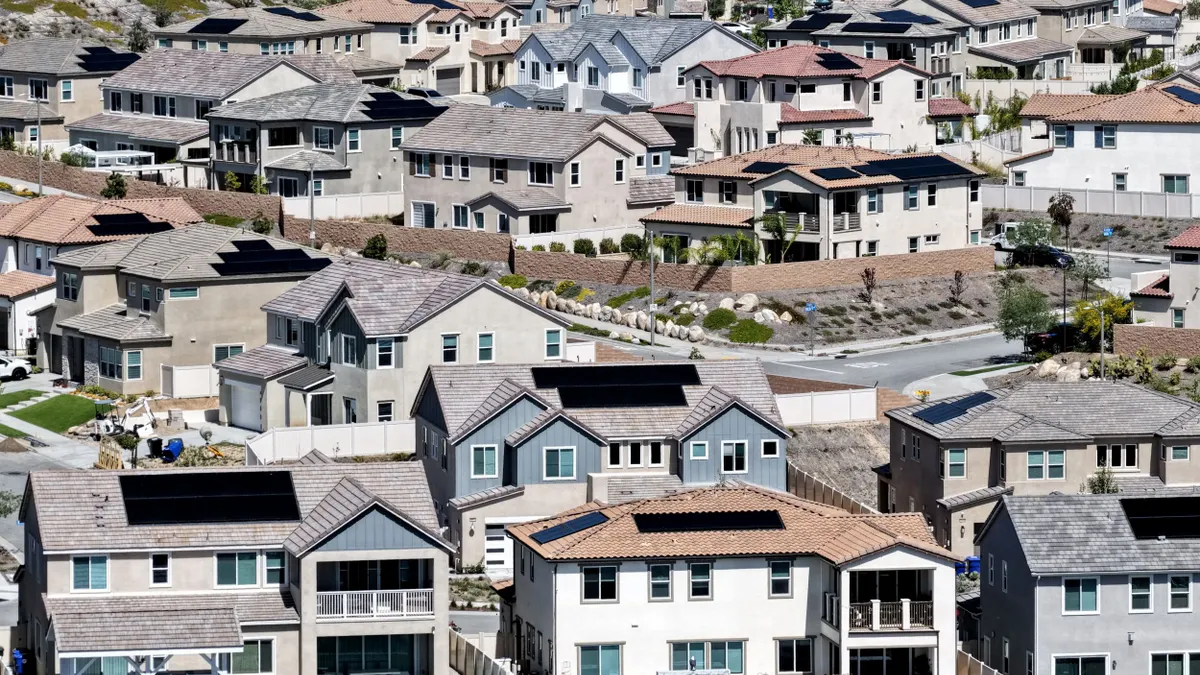
In a move that appears particularly poorly timed in hindsight, Congress last year repealed several energy efficiency tax incentives for homeowners and builders through the One Big Beautiful Bill Act. This means that, starting July 1, there won’t be any federal tax incentives encouraging energy efficiency in homes and buildings, which account for about three-quarters of our electricity use.
In the states, legislatures from Missouri to North Carolina have backtracked on modern building energy codes that set minimum levels of efficiency for new home construction, setting up households for unnecessarily high energy bills for decades to come. States like Massachusetts and Rhode Island are exploring shortsighted cuts to efficiency programs that help customers lower their bills.
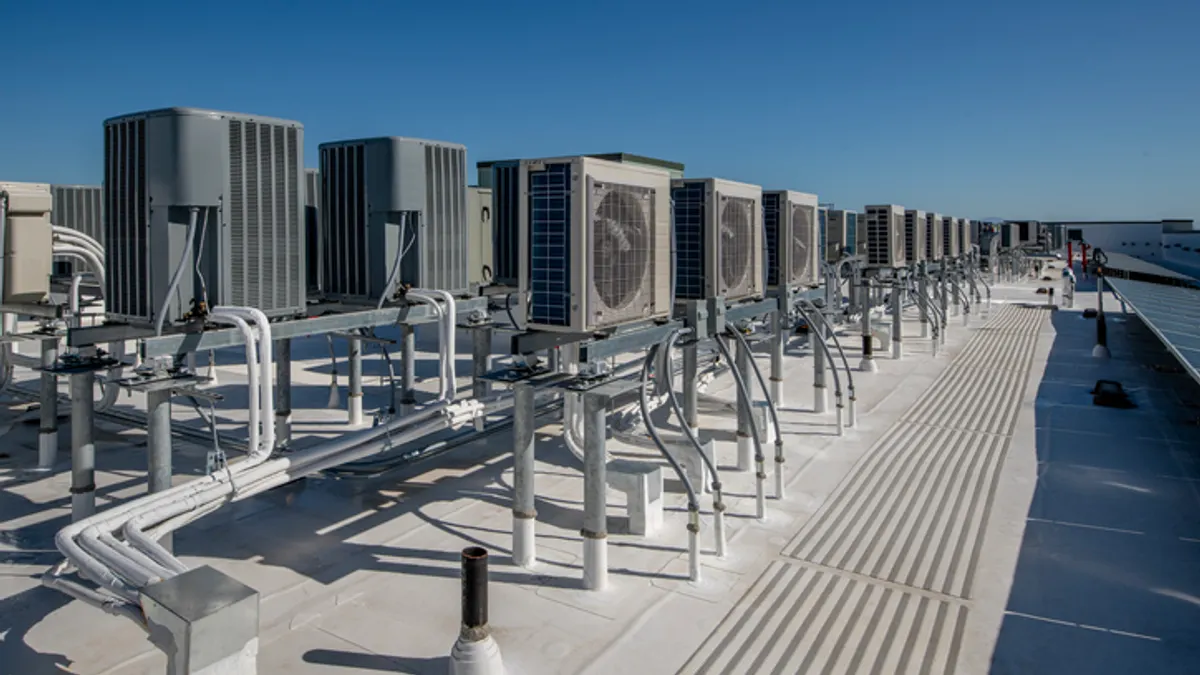
The irony is that energy efficiency is about the closest thing we have to a quick fix to address rising demand and costs. Upgrading insulation in a building or replacing heating and cooling equipment can lower utility bills significantly and be completed in weeks to months. Efficiency’s cousin — demand flexibility programs that allow power customers to shift consumption away from times of peak demand — can also be implemented quickly. In the aggregate, they can significantly reduce pressure on the grid at a fraction of the cost of building new power plants.
To be clear, energy generation is critically important, particularly as we navigate rapid growth in demand stemming from AI. We need to plan for the future and invest appropriately to ensure we have the right portfolio of energy supplies to meet our needs.
But building that generation doesn’t happen overnight, and across the board, building out new production is significantly more expensive than reducing or shifting demand. Investments in efficiency and performance today not only reduce costs immediately but pay long-term dividends by allowing us to right size generation and build only what we need.
There are plenty of ways policymakers can get back on track, but here are three places to start. First, they should maintain or strengthen energy efficiency programs that help so many households and businesses lower their energy bills, including demand flexibility programs that help protect the grid.
Second, to ensure lower costs in the future, we should set strong efficiency standards for homes and buildings, ensuring we don’t allow energy-wasting buildings that stick occupants with high bills for decades to come. That includes housing and commercial buildings, as well as public buildings like schools, police and fire stations, universities and hospitals.
Finally, we should reinstate meaningful tax incentives that help households and businesses overcome the initial cost of making efficiency improvements. Congress specifically should adopt national incentives focused not just on new construction but also on renovations of existing homes and buildings. A recent Republican-led bill that would reinstate incentives for new home construction and commercial buildings is a great start.
The truth is that generating energy and reducing energy consumption are two sides of the same coin. If we’re smart, we’ll stop undervaluing efficiency and embrace them both.