Sen. Angus King, I-Maine, is urging the Federal Energy Regulatory Commission to reject a planned merger between NextEra Energy and Dominion Energy, saying NextEra engaged in anticompetitive behavior in New England that hurt consumers.
“The combination would create the largest electric utility in the United States, concentrating an unprecedented mix of merchant generation, rate-based generation, and transmission assets in the hands of a single company with a documented record of using its market position and political resources to suppress competition that threatens its merchant revenues,” King said in a letter released Monday by FERC.
NextEra, based in Juno Beach, Florida, and Dominion, headquartered in Richmond, Virginia, didn’t return requests for comment. They have not filed a merger application at FERC yet.
The issue centers on the planned $67 billion merger between NextEra and Dominion, announced in mid-May. The deal would give the combined company about 110 GW of generation and 10 million utility accounts in Florida, Virginia, North Carolina and South Carolina, according to the companies.
King contends that NextEra’s efforts to derail the New England Clean Energy Connect project in 2021 is evidence that the merger would be bad for electric ratepayers.
NextEra spent $20 million leading an effort with independent power producers Vistra and Calpine to support a ballot initiative in Maine that would have effectively killed the 1.2-GW NECEC project, which was planned by Avangrid to import power into New England from Hydro-Québec — a development that could suppress energy and capacity prices in the region.
As part of the ballot campaign, NextEra funded Alpine Initiatives and Stop the Corridor, which were fined $210,000 by the Maine Ethics Commission for concealing NextEra’s role in opposing NECEC, King said.
The ballot measure was approved, but effectively overturned in court.
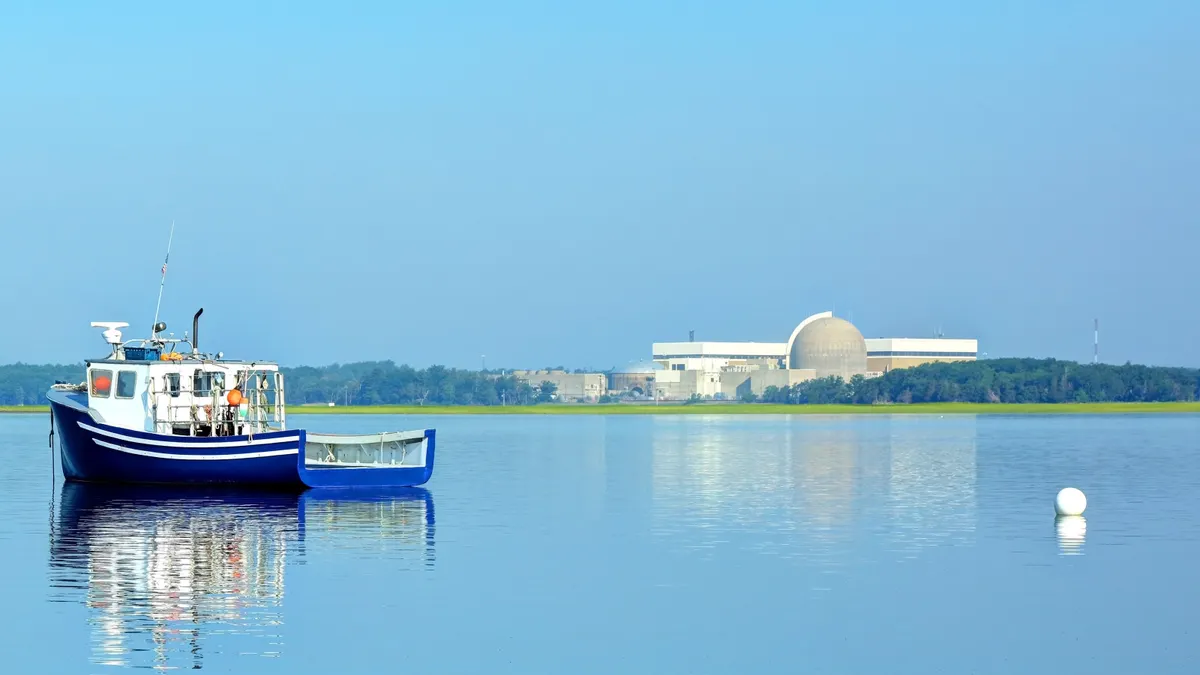
NextEra also refused on “commercially unreasonable grounds” to upgrade a circuit at its Seabrook nuclear plant in New Hampshire, which was needed to connect the NECEC line to southern New England, King said.
“Taken together, these are not isolated lobbying choices but a sustained, multi-year, multi-vehicle campaign by a merchant generator to use political spending, dark-money intermediaries, and its position over interconnection facilities to deny a competing low-cost resource access to the market,” King said. “New England ratepayers paid for that conduct in delay costs, in foregone price suppression, and in winter reliability margins.”
The NECEC line started commercial operations in January.
King also cited NextEra’s recent agreement to pay $150 million to settle shareholder allegations that the company lied about its involvement in political interference schemes in Florida.
“The Commission should weigh this record spanning over a decade as direct evidence of how this applicant exercises market power when given the opportunity,” King said in the June 23 letter to FERC.
King said three features of the deal deserve close review, including that it would lead to a high concentration of merchant generation alongside rate-regulated power supplies.
“That structure creates well understood incentives to favor higher-priced merchant output, to delay or oppose competing resources that would suppress merchant margins, and to allocate costs in ways that advantage affiliate generation,” King said, adding that the effect could be prominent in the PJM Interconnection market.
The same issue could appear with the combined company’s transmission assets, according to King.
“As the Seabrook record shows, NextEra used its control over a single piece of interconnection equipment to delay a competing resource by years,” he said.
Finally, the companies’ proposal to provide $2.25 billion in bill credits fails to address the potential anticompetitive issues, according to King.
“Customer credits in the regulated footprint cannot remedy market manipulation risk in the merchant footprint, and they should not be treated as a mitigation offset for structural competition concerns,” King said.
NextEra and Dominion expect their planned deal will close in the second half of next year, if approved by FERC, the Virginia State Corporation Commission, the North Carolina Utilities Commission and the Public Service Commission of South Carolina, among other agencies.