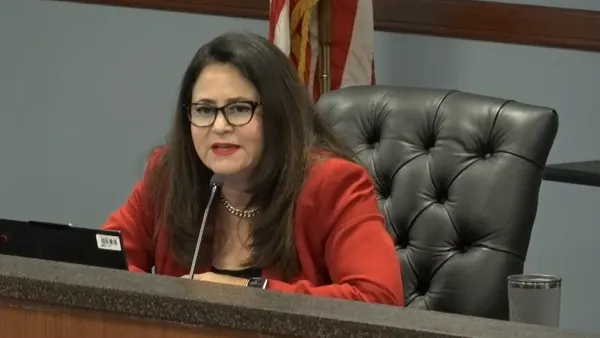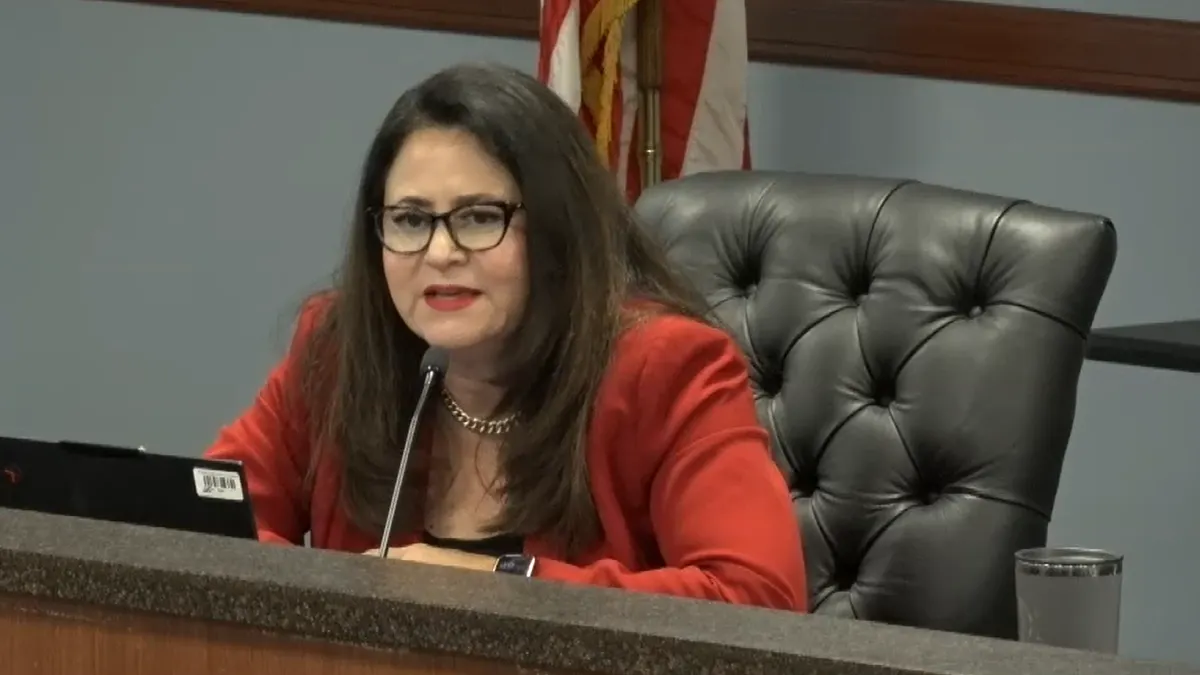
Utility Dive sat down with Lea Márquez Peterson, a commissioner on the Arizona Corporation Commission, on Sunday at the National Association of Regulatory Utility Commissioners’ annual meeting in San Juan, Puerto Rico, to hear about her views on the challenges facing the ACC and other state regulators.
Márquez Peterson was appointed to the ACC in 2019 by the governor and won elections for four-year terms in 2020 and 2024 — making her the longest tenured commissioner at the agency today.
This interview has been edited for length and clarity.
UTILITY DIVE: It seems like affordability and data centers emerged as top issues at NARUC’s annual meeting two years ago. To what extent have those issues changed since then?
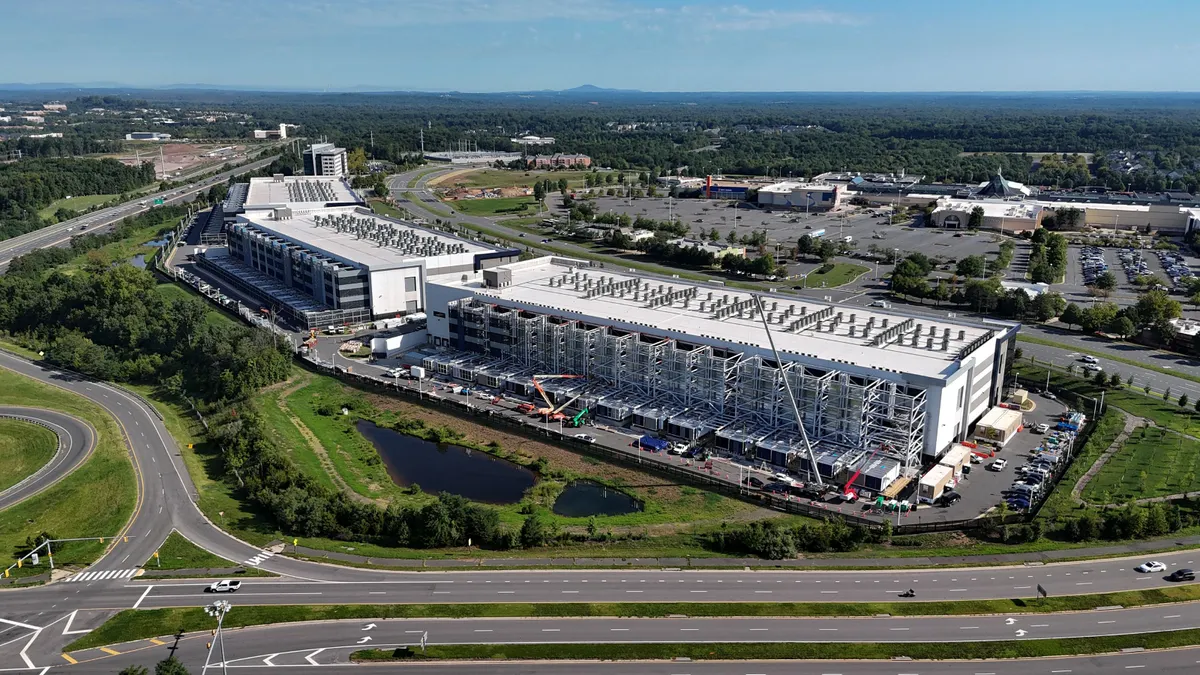
Lea Márquez Peterson: I think in Arizona, we are growing so rapidly, and we're seeing a lot of large load requests. But that's not just data centers — it's semiconductors. And so we're having conversations, probably a little more in depth and more publicly than we did two years ago, with water use leading the conversation.
The top thing, when you come to Arizona to build anything, is you tell us about your water use, and the public is very sensitive to this. They've seen a lot of requests and development projects come through our state, and not all have been as transparent as they should be.
What about concerns that large loads are causing rates to go up?
We saw that play out in this last election cycle. We have been talking for years that growth must pay for growth, and I think customers are asking for proof [of that]. What are the components of cost? How are you structuring this as a commission, and how do we ensure that growth is really paying for growth? And so you see that playing out across the nation, whether it's large-load tariffs, or, in [Arizona], energy supply agreements.
Has the commission set any rules around those agreements?
They evolved over time. I think they were simpler years ago, and as more and more load comes through … the utilities are getting even more sophisticated in how they're handling it.
Is there any interest in standardizing it with a large-load tariff?
Not statewide. We have our upcoming large rate cases coming up, and I think you'll see some development of their large load activity in those rate cases.
What levers does the commission have on affordability?
It could come to rate design, how that's structured. It's looking at the supply agreements. How much of the cost allocation should a large load be covering? I think we have a lot of different tools. Are the [large loads] going to be partners in some of the new generation?
What about formula rates for utilities?
I've been defined in the media as skeptical. I’d stick with that. We passed it as a policy statement in Arizona, and I thought it was interesting conceptually, but I wanted proof that it really was in the best interest for customers, and so I'm kind of working through that case by case as they come before us. We have [Tuscon Electric Power] before us next week and we have [Arizona Public Service] in mid-December.
On market development in the West, Arizona's big utilities are opting for the Southwest Power Pool’s Markets+. With Bonneville potentially switching to the Enhanced Day-Ahead Market, you asked the utilities to provide updated information about their decision. So how are you thinking about market development and opportunities for the Arizona utilities?
The ACC doesn’t have a choice [on which market the utilities join], but I wanted to better understand how that impacts customers — the exiting of the Energy Imbalance Market — whatever regional markets are decided, and I wanted to understand the [cost/benefit] analysis that was done by [the utilities].
I'm going to follow up with a workshop on Feb. 3 where I want to ask different questions on the components of those questions I asked in the letter, and then have some stakeholders ask questions, too … and just make sure that we're all aware. There’s no reason there can’t be transparency.
I want to just see that the benefits, whatever market they choose, is in the best interest of ratepayers. It makes a difference — whether from a reliability perspective, transmission availability, resource planning, whatever it is. I want to better understand the benefits.
How comfortable are you with Arizona’s generating resource situation?
I supported an “all the above” approach. Reliability is so key. That means you cannot have power outages, especially during the heat of summer.
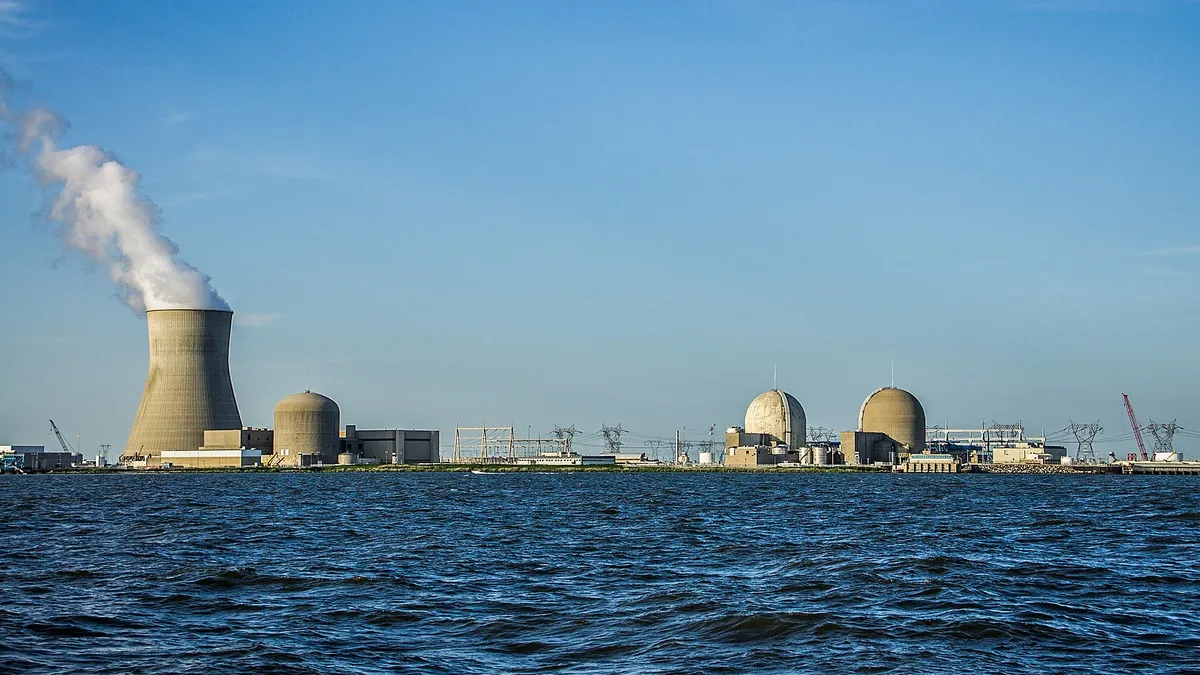
I'm very focused on nuclear, but it's very expensive. About 30% of the state is served by the Palo Verde nuclear generating station. So we might see new nuclear in the future, but who's going to pay for that? What role do large load users have, perhaps?
Looking ahead to next year, what are the top issues that you and the ACC will be dealing with?
Next year, we will have voted on a number of formula rate cases. We will have annual true-ups, and I think there's a lot to explore and develop with those true-ups. Was there enough analysis done? Was there enough time for the [ACC] staff to do the analysis? How much could stakeholders weigh in?