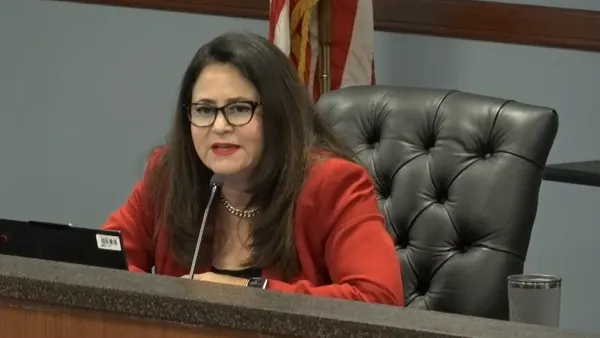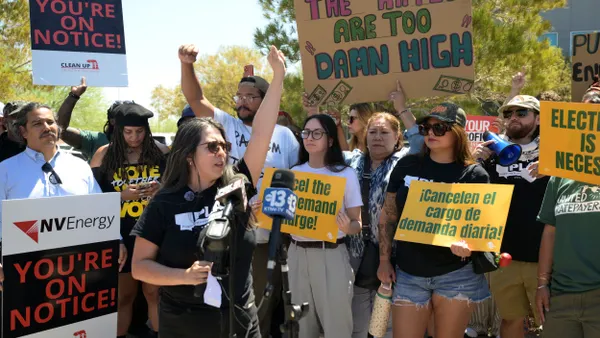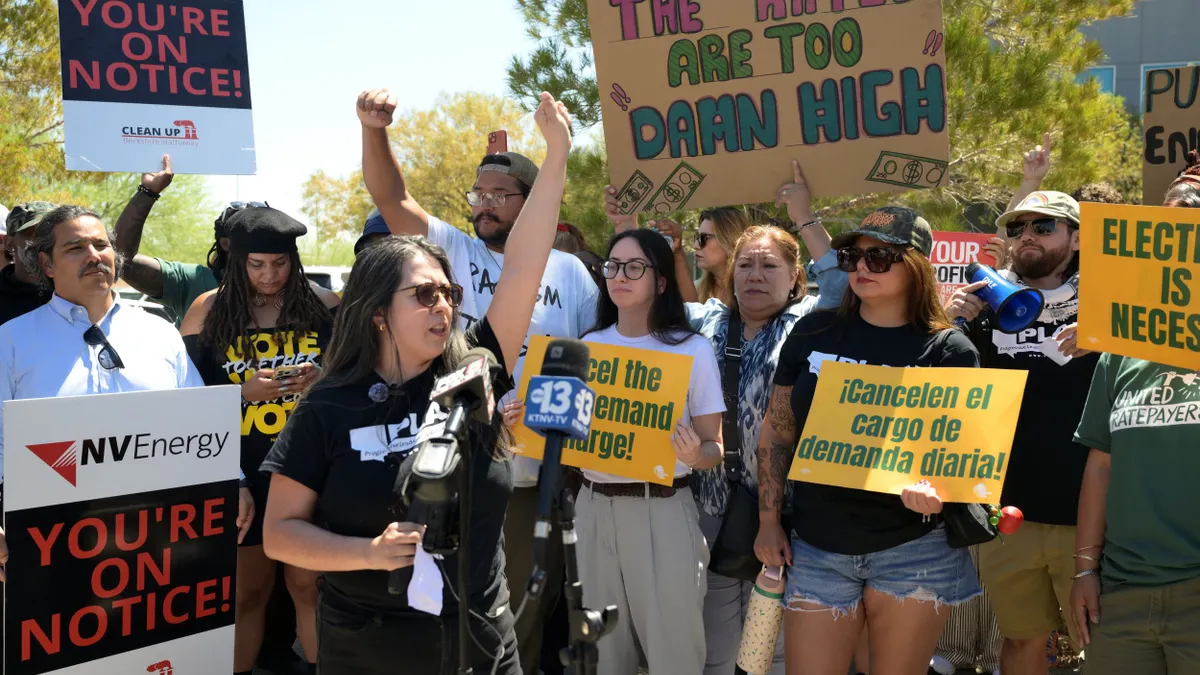
Ann Rendahl, president of the National Association of Regulatory Utility Commissioners, did not mince words while addressing her peers Sunday in San Juan, Puerto Rico, where NARUC is holding its annual meeting in the wake of a midterm election where concern over electricity costs helped Democrats surge to power in Congress and many states.
“Our newly elected leaders and customers just want rates to go down,” said Rendahl, a state regulator in Washington.
“They don't really care how we do it,” but they are “questioning our foundational regulatory approaches,” she added.
Rendahl was speaking at the first meeting, held on the sidelines of NARUC’s main conference, of a new initiative by state regulators, ratepayer advocates and investor-owned utilities aimed at developing approaches for evaluating long-term grid investments while delivering measurable value to consumers. The effort is led by the Critical Consumer Issues Forum, which includes NARUC members, as well as representatives from the National Association of State Utility Consumer Advocates and the Edison Electric Institute, a trade group for investor-owned utilities.
Election follows tensions over state v. federal authority
The midterm election results last week will affect state energy policy in different ways, according to speakers at the meeting.
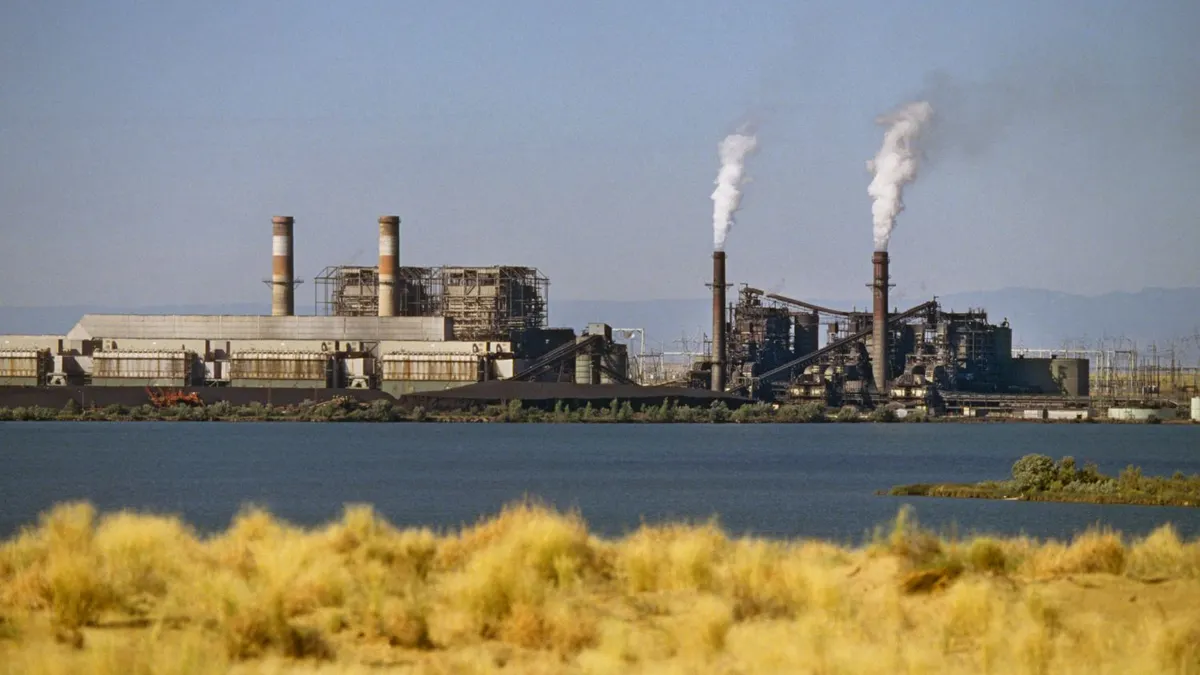
It also could have implications for relations between states and the federal government, which have become fraught in some places over Department of Energy interventions — including ordering coal plants to run past their planned retirement dates.
In September, a federal appeals court ruled that the DOE’s “emergency” order requiring the J.H. Campbell plant in Michigan to remain operational was illegal, noting that state regulators and the Midcontinent grid operator signed off on the plant’s retirement.
“It's this fight between who does resource adequacy — that state role, that federal role — and everything in between, " said Michael Moody, NASUCA president and Michigan assistant attorney general.
Moody said he hopes the midterm results will spur more federal-state cooperation.
In Arizona, the state’s House and Senate flipped to Democratic control, while two Democrats were elected to the previously all-Republican Arizona Corporation Commission.
Lea Márquez Peterson, the longest-tenured ACC commissioner, who was not on the ballot, predicted the state’s new legislative majority will take up energy policy.
“I think we're going to see a lot of bills come out that will influence our world,” she said.
The midterm results will also likely increase the differences between states on energy policy, said Jeff Lyng, Xcel Energy’s chief sustainability officer and vice president of external affairs and policy.
“I think we're going to see a bit more of that patchwork,” he said. “But ultimately, [while] the words that we use in certain jurisdictions may be different … the strategy fundamentally doesn't change.”
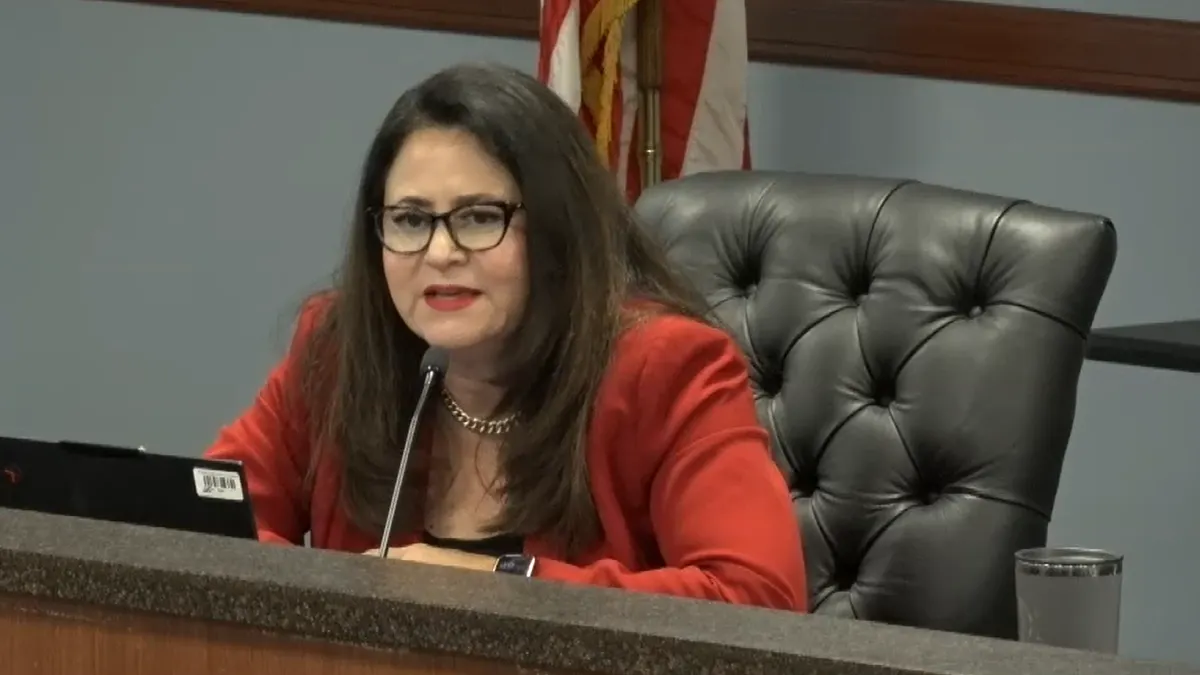
Ana Ortega, commissioner on the Florida Public Service Commission, warned about pressure from the Federal Energy Regulatory Commission for increased regional transmission.
“Florida is a large peninsular state, and it's got all of its load at the bottom,” she said. “So, if you're looking to regionalize, it doesn't necessarily make sense for us. I'm not saying that we're not complying, but it doesn't [make sense].”
Regulators in a ‘pressure cooker’ look to grid-enhancing technology, efficiency, renewables
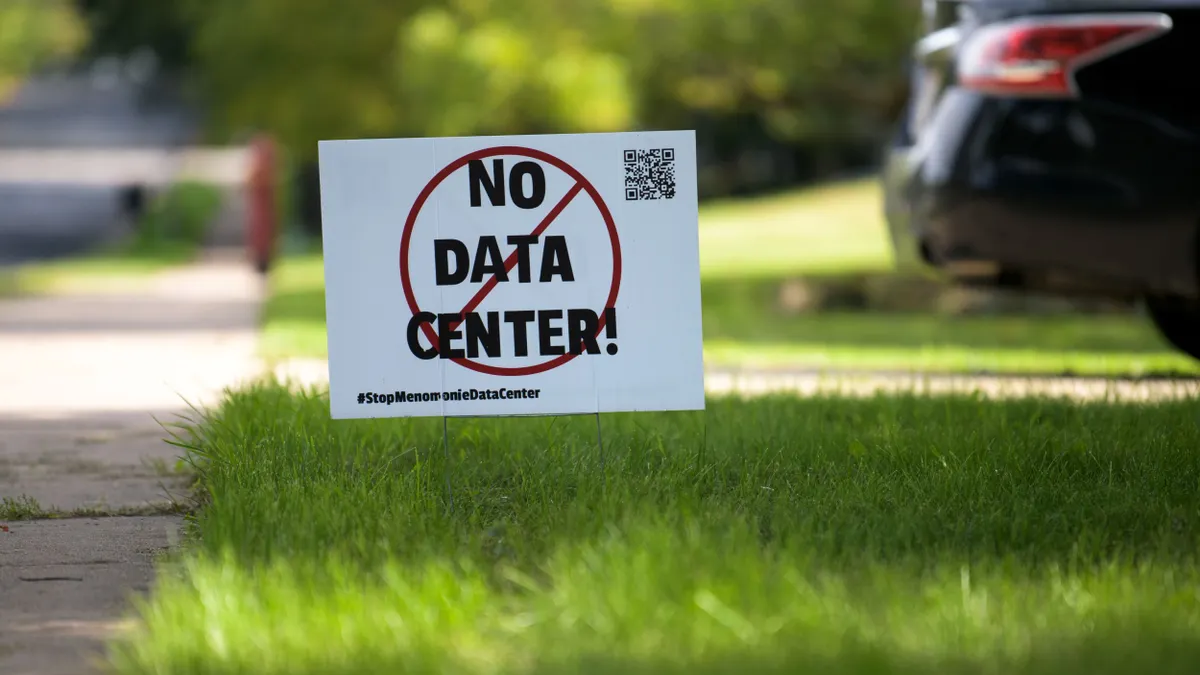
“We're all in the pressure cooker,” and concerns about data centers have added to the heat, Márquez Peterson said.
Options for balancing the need for grid investments with affordability include maximizing the value of the grid through grid-enhancing technologies and energy efficiency, she said.
In the face of affordability issues, Moody said utilities need to prioritize their spending plans, evaluate lower-cost alternatives and present strong cost/benefit analysis.
“Sometimes, there's these great ideas that have to be pushed off,” he said.
However, Ortega cautioned that delaying grid investments can sometimes be more costly in the long run.
“You have to also think about the opportunity costs of not planning and not investing in the grid,” she said. “I know that's unpopular. I know it's hard, but in some ways, it's better for long-term customer value.”
Load growth can help reduce customer costs, but “growth has to pay for growth,” according to Lyng. A gigawatt of hyperscaler load has the potential to put about $1 billion of downward pressure on rates over a 15 or 20 years, he said.
Lyng also said that investing in renewable energy, especially wind, has helped Xcel keep residential rates that are roughly 30% below the national average.
Xcel’s customers have saved about $6 billion on wind energy, with another $12 billion in savings expected by the end of this decade, he said.
However, amid shifting priorities, Xcel may not meet its commitment to be net-zero by 2050, a goal set in 2018, according to Lyng.
Now, sustainability plays “fourth fiddle” to safety, reliability and affordability, he said.
“We are not walking away from the [sustainability] goals,” Lyng said. “We still have those commitments, but we have to move at the speed of value. We have to move in a disciplined way. We can't force a clean energy transition.”
Still, Xcel sees a “very clear pathway” to achieving individual state clean energy targets, he said.