Dive Brief:
-
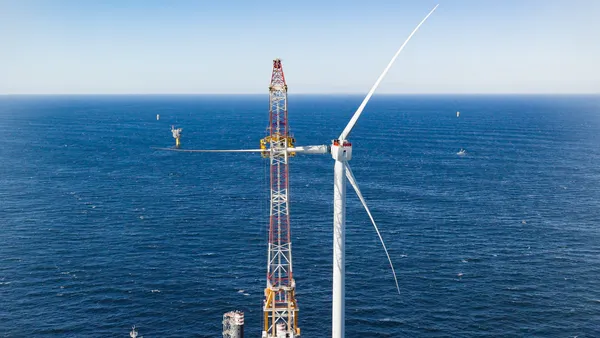
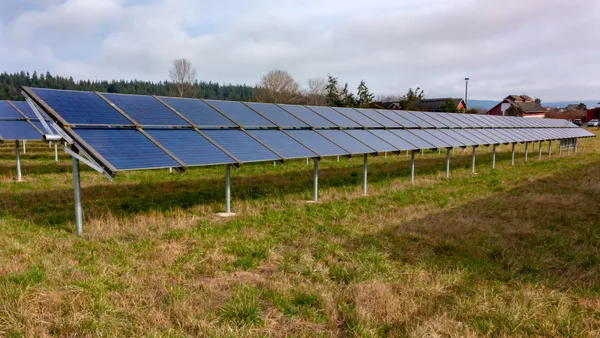
The average North American solar power purchase agreement price rose 4.7% during the first quarter of 2026, while wind prices rose nearly 8%, according to the latest data from the energy marketplace at LevelTen Energy. Solar and wind PPA costs have increased 13% and 24%, respectively, since this time last year.
-
Project cancellations, increased permitting delays and costs, labor shortages, tariffs and even rising insurance premiums are among the top factors increasing costs for renewable energy developers, but the current price escalation seems primarily driven by the intensity of demand for electric generation, according to Joey Lange, a senior managing director at energy advisory firm Trio.
-
Rising prices have pushed some buyers out of the PPA market, but prices seem likely to continue to rise for the next year or two based on the overall intensity of energy demand, Lange said.
Dive Insight:
At an average price of $79.40/MWh for wind and $64.49/MWh for solar, PPA prices have reached the highest rates reported since 2018, when LevelTen Energy first began indexing PPA price data.
And, that's without factoring in the impacts of the war in Iran and the impending expiration of federal incentives for new wind and solar generation, which have yet to play a major role in PPA pricing, according to Rob Collier, senior vice president for marketplaces at LevelTen.
Although the war has impacted electricity prices in other regions of the world, natural gas prices in the U.S. have remained relatively stable. That has minimized the war's impact on domestic electricity prices, at least for the time being, according to Collier.
The impact of the upcoming One Big Beautiful Bill Act tax cliff is less clear, but also seems minimal so far. There is some possibility, Collier said, that the cutoff is putting upward pressure on prices by driving buyers of renewable energy to line up deals faster, on the expectation that prices will rise when the credits expire.
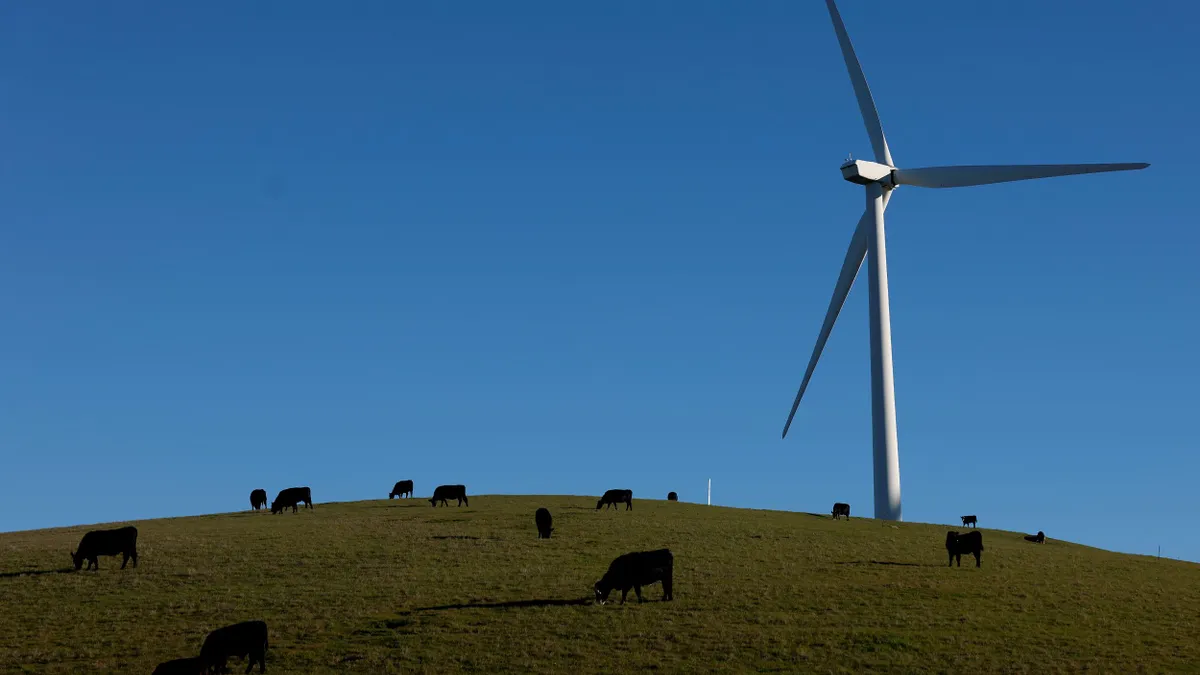
But renewable energy developers don't cite this as a primary reason they're raising their prices, Collier said. Instead, they cite issues such as labor shortages, tariffs, rising insurance costs and permitting issues. Wind energy, Lange noted, enjoys particularly strong demand, but remains in scarce supply; growing scrutiny of wind permits at the federal level means new-build wind projects have “completely fallen off the map” in regions such as PJM, Collier said. The PJM Interconnection and Midcontinent Independent System Operator regions have also seen some of the biggest increases in solar PPA prices — and corresponding decreases in interested buyers, Lange said.
“Project development right now is hard. It's as hard as it's ever been,” Collier said.
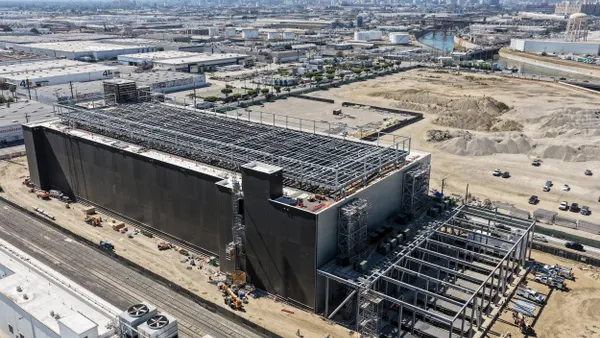
Both Collier and Lange said rising energy costs have pushed some smaller buyers out of the PPA market, though demand from data center operators and hyperscalers continues at a fever pitch. Many smaller buyers paused their procurement goals in late 2025, Lange said, but have since begun to tentatively re-enter the market with a new willingness to consider existing energy assets and hydro, geothermal and nuclear resources.
Meanwhile, Lange noted that a handful of the largest energy buyers — Google being the prime example — have acquired renewable energy developers in order to meet the growing expectation that data centers provide their own energy generation before they connect to the grid. But he said the behind-the-meter generation trend seems unlikely to impact PPA markets, because data centers seeking physical, on-site generation won't compete for virtual PPAs, which carry fewer geographic constraints.
Even so, Lange said the sheer scale of demand for new energy generation — and especially for wind energy — means PPA prices are unlikely to decline for the next year or two.