Dive Brief:
- Federal Energy Regulatory Commission Commissioner Judy Chang offered an alternative perspective to Chairman Laura Swett’s recent comment that the PJM Interconnection is “too big to function,” telling Utility Dive, "I am not thinking about it breaking up, so I'm definitely not thinking about what it would look like or what kind of options there are to break up.”
- “When the market was working, people were not saying it's too big to work, right?” Chang said in an interview. “When people think prices are too high, then folks are uneasy and want change … I think of it as, okay, if the market was not designed to meet this particular moment, then what does the market need to evolve into for the future?”
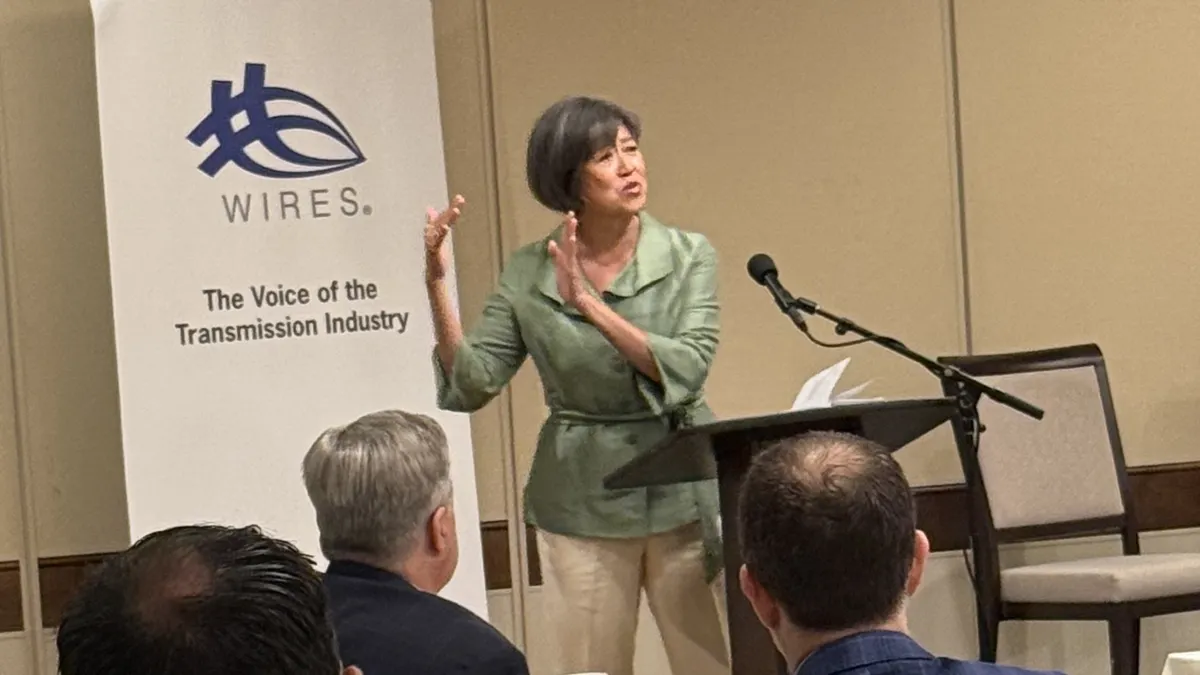
- Chang sat down with Utility Dive following her keynote address at the Smart Electric Power Alliance’s Energy Evolution Summit on May 19, where she discussed the challenges and opportunities of rising demand from large load data centers.
Dive Insight:
Chang said she thinks PJM is considering how to evolve for the future, pointing to a May 6 white paper in which the RTO acknowledged the transformative nature of the structural forces currently at work and outlined potential reforms.
“I reviewed it, I think it was very well-written,” she said. “I'm interested in the successful continued operation of PJM, but definitely I want to help them get through this period and continue to meet the needs of the market ... I do think the states have something to think about. I think the states might want to evaluate what kind of market exposure they want their load-serving entities to face.”
PJM was “what every market wanted to be” a few years ago, Chang said, but has been “really hurt” by challenges with supply chains, interconnection and a lack of transmission capability.
FERC is set to discuss PJM at a meeting scheduled for July 23 that will focus on the RTO’s governance and stakeholder process, “with a particular focus on identifying and evaluating actionable reforms to improve PJM’s ability to address system needs in a timely and efficient manner,” according to a notice from the commission.
FERC is also set to take action by the end of June regarding the U.S. Department of Energy’s proposed reforms for interconnecting data centers and other large loads to the transmission system.
'If there’s ever an incident, there will be a serious backlash'
As that deadline approaches, Chang said her biggest priority when considering DOE’s proposed reforms is reliability.
“Some of these large loads are larger than the largest generation in a market,” she said. “So these systems have been built to make sure that they can withstand the outage of the largest component, the single largest contingency, and some of these loads are larger than that.”
Chang said coordination is key to preventing negative outcomes — including loss of power.
“I think from a reliability perspective, we really need to make sure we work with NERC and industry participants, industry stakeholders, to ensure that as we integrate large loads, we are keeping the system stable and reliable for everyone else,” she said. “I really think if there's ever an incident, there will be a serious backlash to the large loads, so I want to make sure that does not happen.”
In her keynote speech, Chang made a similar point, saying, “If we fail in our job to make sure that we put consumers in the center of everything we do, we're going to have a backlash of how high the cost is going to be.”
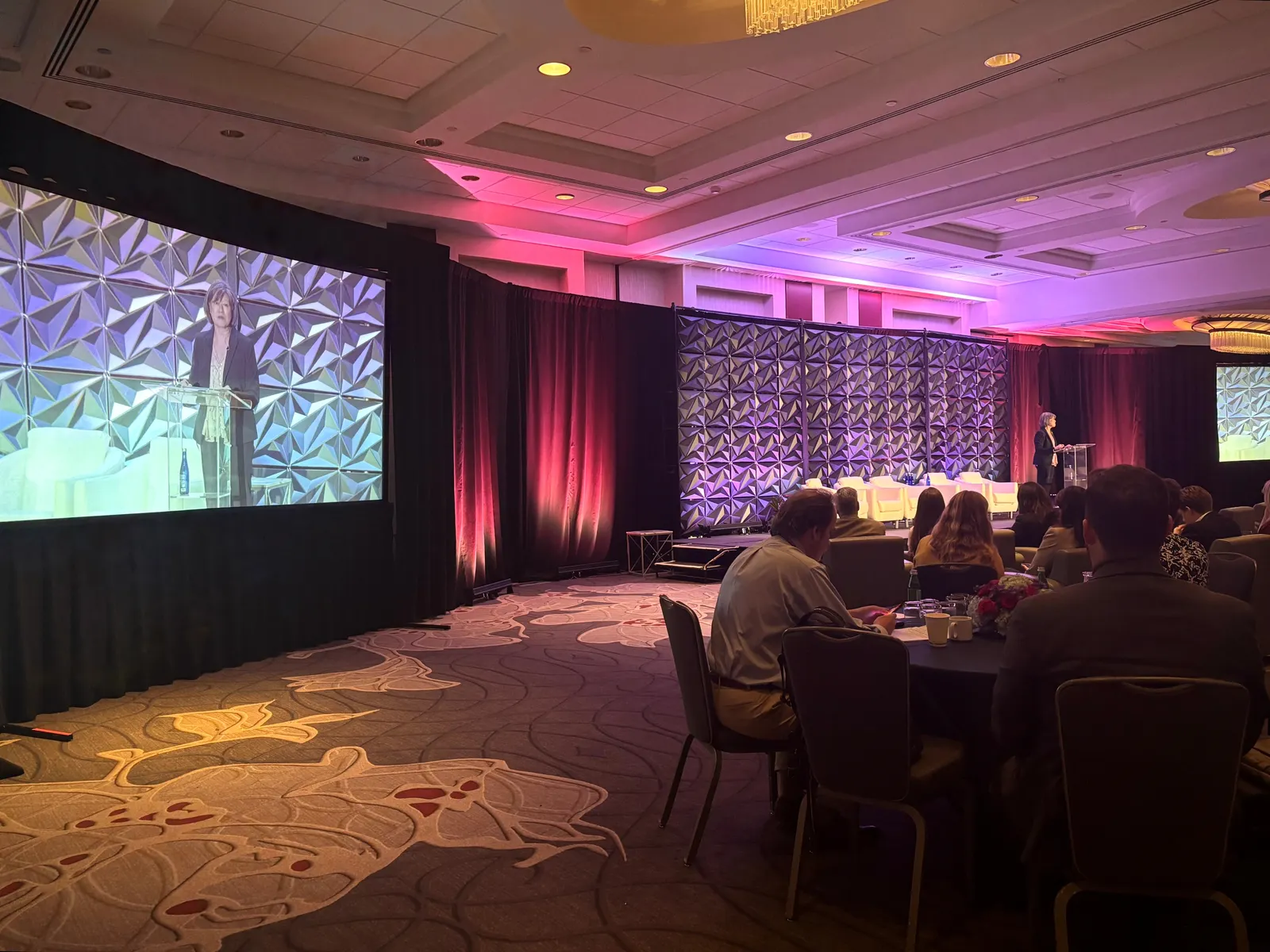
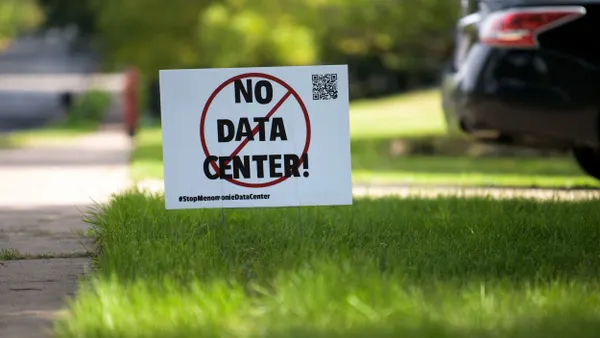
“Even the data centers are already seeing some of this backlash,” she said in her speech. “I think we're at a pivotal moment right now to make sure that we make the right choices. I'm also very hopeful and optimistic that as we encounter this growth and as we meet the challenge of this growth, we actually have an opportunity to enhance our systems to make sure that we build the transmission network that's necessary to serve all customers.”
As to whether she feels confident about the outcome of this test, Chang told Utility Dive that she thinks the U.S. has always met the challenge of growth.
“There's no debate about how we need to meet the moment; there's debate about the nitty-gritty details of how to get there, and what do you prioritize,” she said. “But I think everybody wants to meet the moment, including the large loads that are coming on.”
Regarding NextEra’s Monday announcement that it plans to acquire Dominion Energy, potentially creating the largest regulated electric utility in the world with a 130-GW large load pipeline, Chang said she was surprised to hear the news.
“I think it’s interesting,” she said. “I know it has to go through both our approval and probably state approval, so I just want to be open-minded. I don't want to get ahead of that. But it's interesting.”