Page 3
-

 Permission granted by PJM Interconnection
SPP, PJM, CAISO anticipate being able to meet power demand this summer
The regions in each organization’s footprint are likely to see higher-than-average temperatures this summer, but supply is expected to reliably meet demand.
-
 Justin Sullivan via Getty Images
Opinion
Justin Sullivan via Getty Images
OpinionMaking AI work for utilities means treating technology as a partner, not a replacement
In an era when reliability indices directly shape regulatory ratings, AI's predictive capability becomes a measurable operational asset, but only when people know how to use it, writes Sean Burri, a Dominion Energy infrastructure engineer.
-
 Permission granted by Cedric Craig
Q&A
Permission granted by Cedric Craig
Q&AHyperscalers driving record clean energy deals: CEBA CEO
U.S. corporate clean energy procurement surpassed 27 gigawatts in 2025, with four companies accounting for about three-quarters of that capacity, Rich Powell, CEO of the newly rebranded Corporate Energy Buyers Association, said in an interview.
-
 Diana DiGangi/Utility Dive
PPL ‘advanced’ data center pipeline grows to 28.3 GW in Pennsylvania
A PPL-Blackstone joint venture is securing gas turbines for power plants that would serve data centers, company officials said.
-
 "Beaver Valley Nuclear Power Plant". Retrieved from Wikipedia.
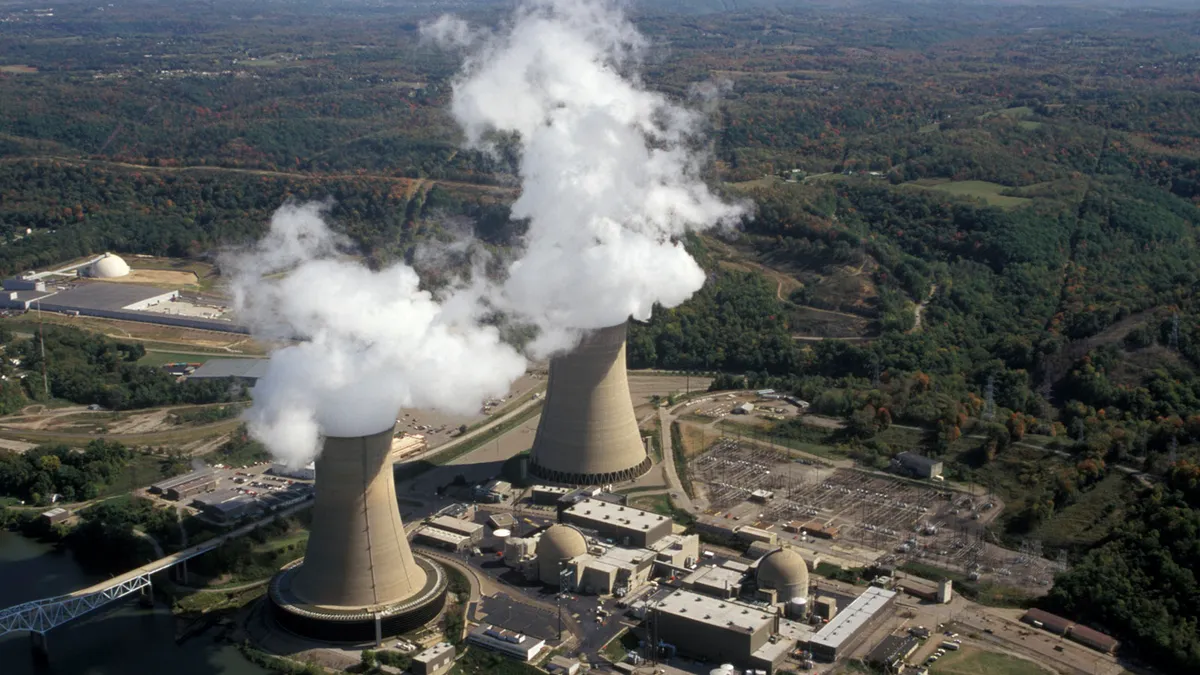
Vistra adds 4.5 GW of capacity in line with ‘reasonable’ forecasts for PJM, ERCOT
“While these views remain below many third-party forecasts and ISO projections, they reflect what we believe to be the pace of physical development,” Vistra CEO Jim Burke said of the company’s load growth projections.
-
 Alex Wong/Getty Images via Getty Images
Opinion
Alex Wong/Getty Images via Getty Images
OpinionCompetitive power markets have delivered. Abandoning them would be a mistake.
Electricity markets are not perfect, but they remain one of the most powerful tools we have for delivering reliable, affordable power at scale, writes former FERC Commissioner Nora Mead Brownell.
-
 Keystone/Hulton Archive/Getty Images via Getty Images
Deep Dive
Keystone/Hulton Archive/Getty Images via Getty Images
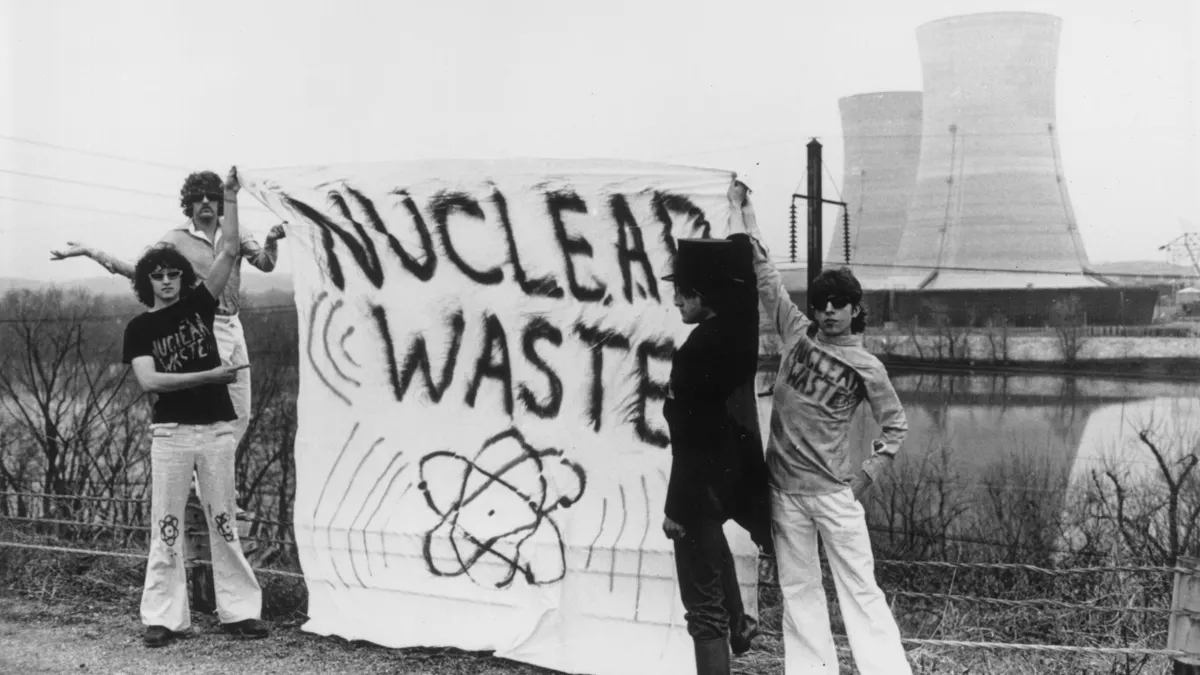
Deep DiveWill DOE’s ‘nuclear lifecycle innovation campuses’ solve the US nuclear waste problem?
The Department of Energy wants to collaborate with states that agree to take in and possibly recycle used nuclear fuel, and some have responded positively. But practical and policy challenges remain.
-
 The image by Eversource NH is licensed under CC BY-ND 2.0
Eversource CEO: ‘We are resisting data centers’
Data centers are of “no value to our residential customer — actually, any customer,” said Eversource Energy CEO Joe Nolan. “It's only going to drive up the price of energy.”
-
 Courtesy of Meta
Evergy expects retail sales to rise up to 8% annually on data center growth
In response, Evergy has increased its planned gas-fired generation in Missouri to 4.7 GW. Separately, it slashed its long-term renewable energy plans more than 90%.
-
 Permission granted by PJM Interconnection
PJM floats options for capacity market overhaul
“The current situation is not tenable,” PJM President and CEO David Mills said. “The region has years, not decades, to make these choices deliberately.” The grid operator lays out three options, including shifting to an energy market model, in a white paper.
-
 Mario Tama via Getty Images
Sunrun saw steep sales drop in Q1 with end of solar tax credit, tariffs
The company says it remains “the nation’s largest distributed power plant operator,” with about 4.3 GWh of networked storage capacity as of March 31 — a 50% increase year over year. It aims to have 10 GWh of dispatchable capacity by the end of 2028.
-
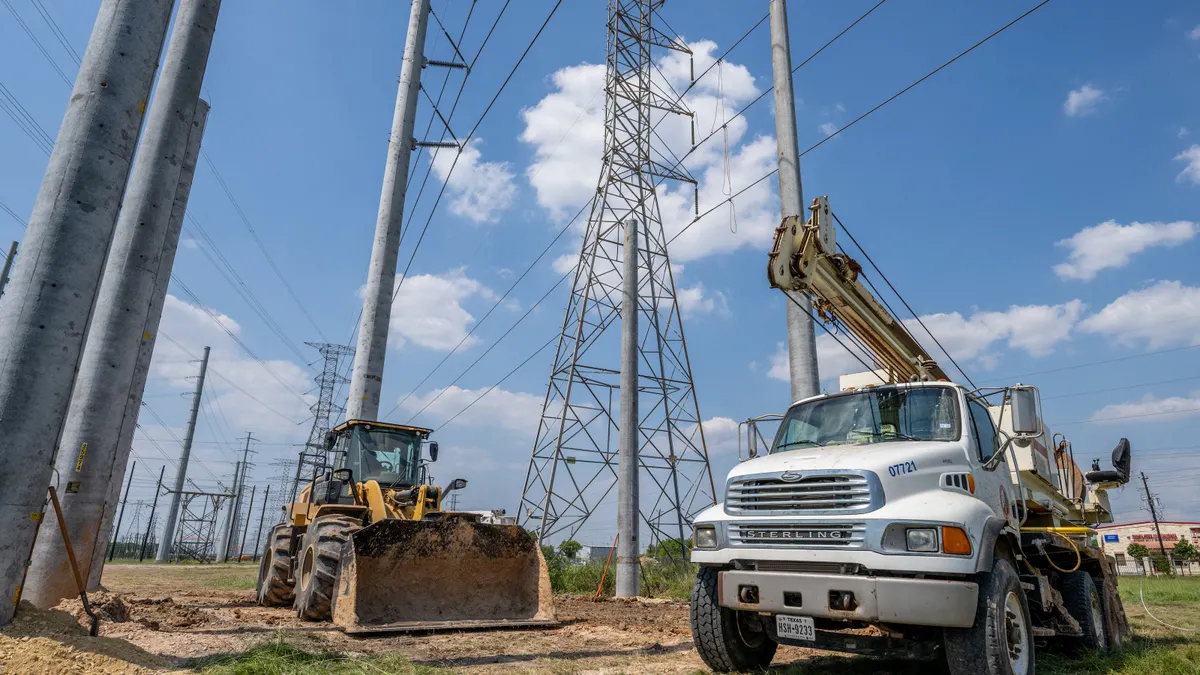 Brandon Bell/Getty Images via Getty Images
Opinion
Brandon Bell/Getty Images via Getty Images
OpinionWhy procurement has become a grid reliability issue: ULE Group
Critical grid work becomes harder for utilities to keep on budget when schedules are repeatedly disrupted by missing or delayed equipment, writes ULE Group President Danielle Pirrone.
-
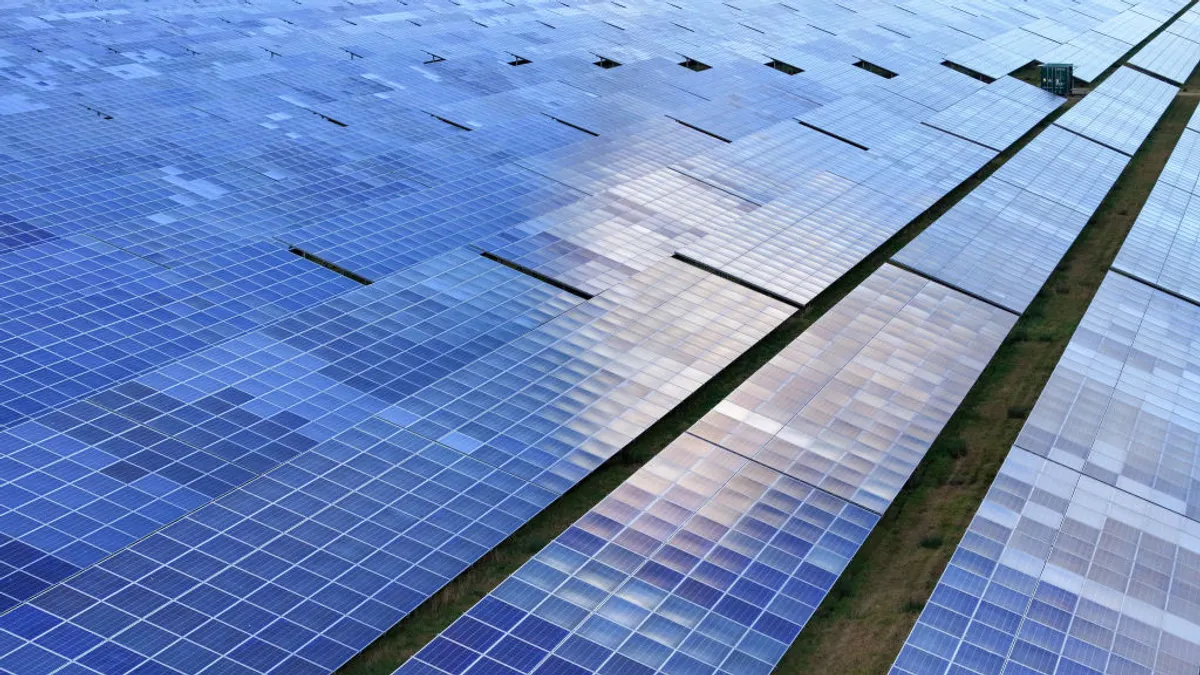 Christopher Furlong via Getty Images
EDP Renewables and Meta ink PPA for 250-MW solar project
This is the third such deal between EDP Renewables and Meta, bringing the total procured energy between the two companies to 545 MW.
-
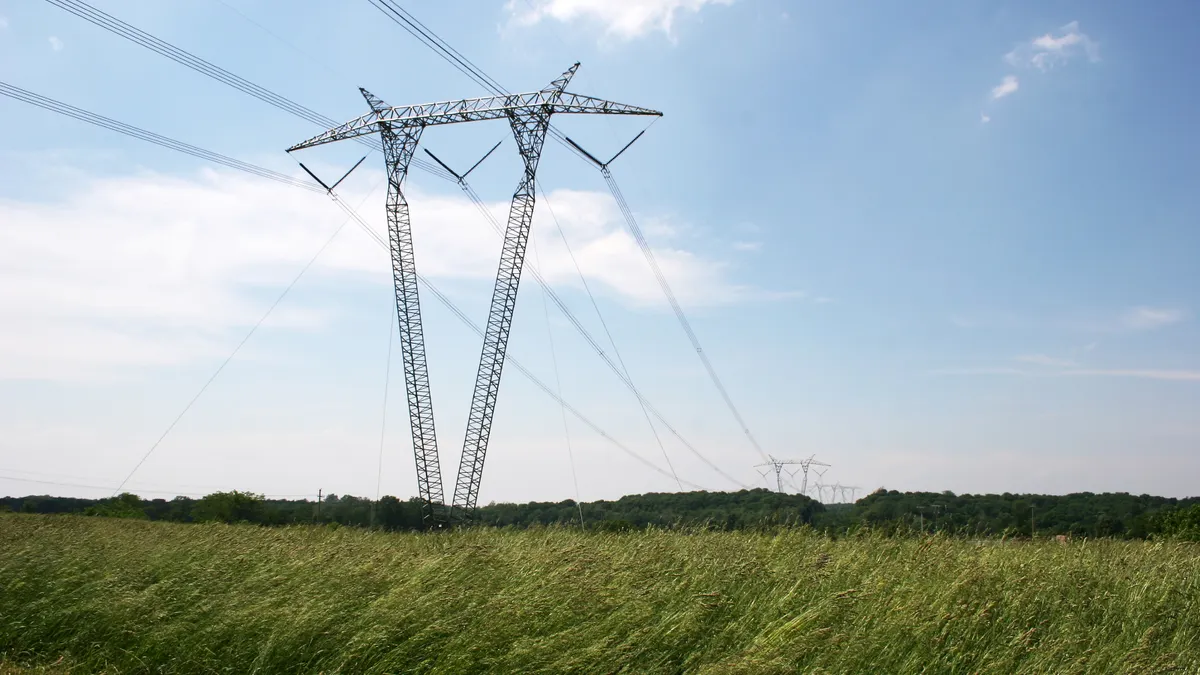 Getty Images
Exelon lowers utility spending to ease electric affordability issues
Exelon is shifting its spending away from utility operations while boosting planned transmission expenditures, company officials said during an earnings call on Wednesday.
-
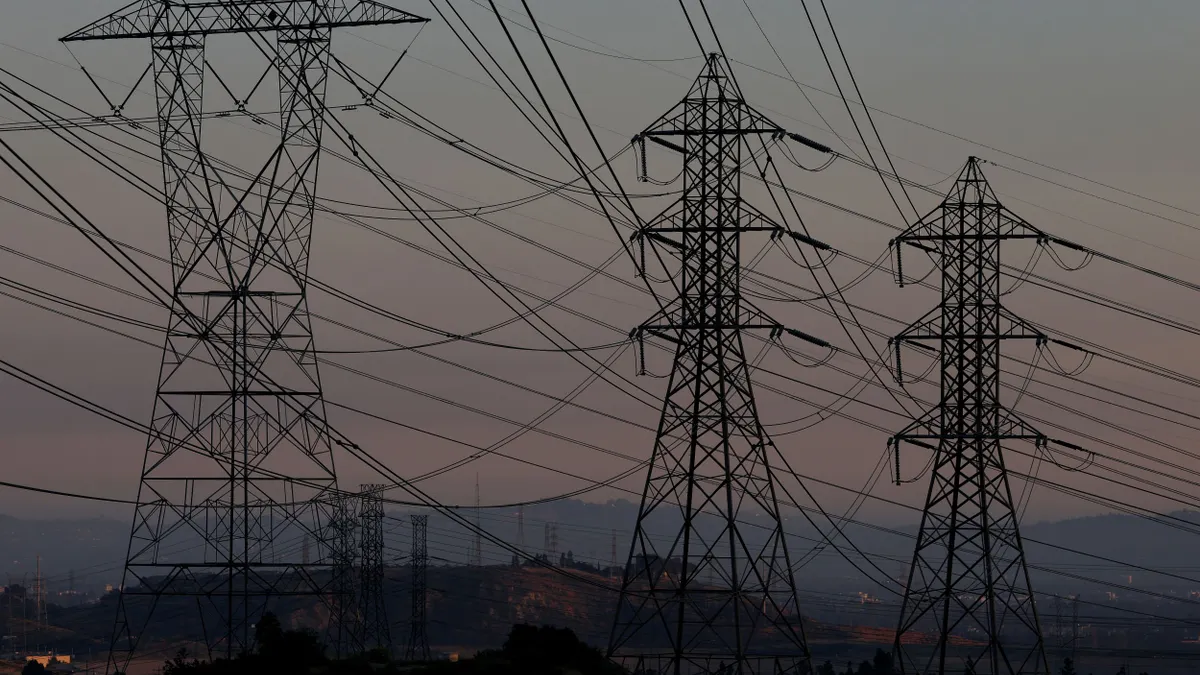 Justin Sullivan via Getty Images
EDAM is ‘solid and stable’ so far, says CAISO
The Extended Day-Ahead Market’s prices are falling within expected ranges, with steady transfer volumes in its footprint, according to the California Independent System Operator. “Battery energy storage is now a major player on the Western grid,” said CAISO CEO Elliot Mainzer.
-
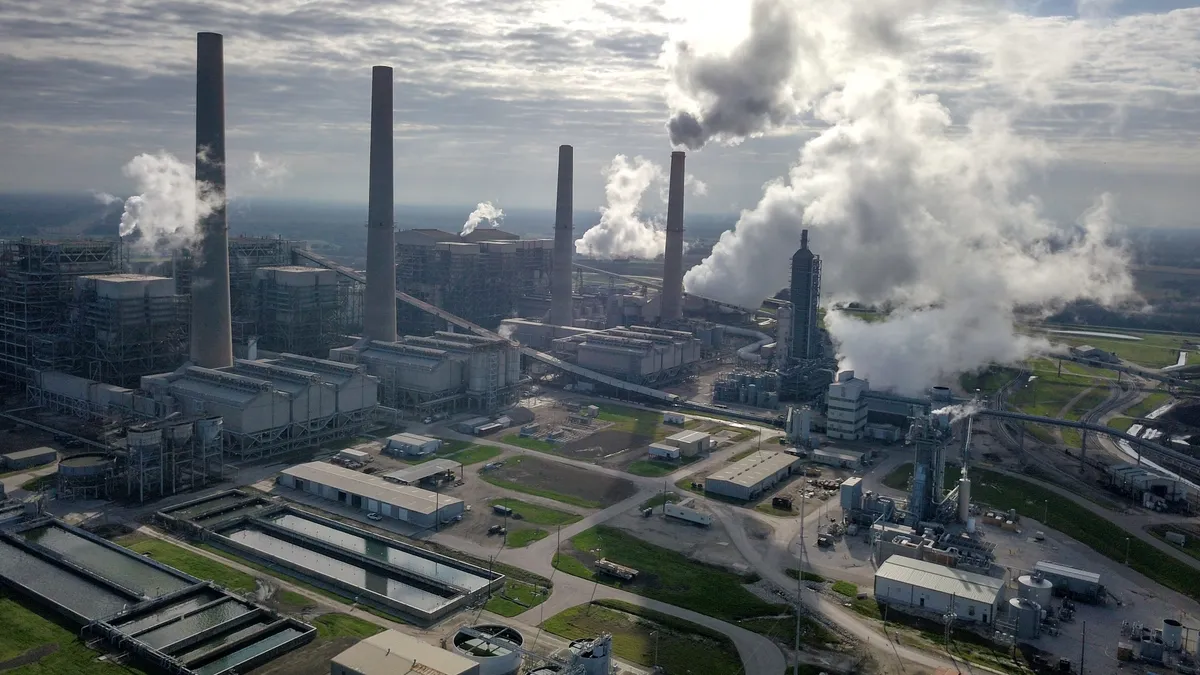 The image by RM VM is licensed under CC BY-SA 4.0
NRG close to completing 415-MW gas plant backed by Texas Energy Fund
The independent power producer has another 1.1 GW of state-supported gas projects set to come online this decade as it also works to integrate 13 GW of gas-generation assets acquired from LS Power.
-
 Courtesy of UNFI
Electric truck fleets could push down residential rates by 2035: report
Medium- and heavy-duty fleet electrification in California and Georgia could reduce residential rates modestly, E3’s analysis found, but proactive, measured investments in grid upgrades are essential.
-
 Bill Pugliano via Getty Images
TXU Energy EV charging program could work in other competitive markets: ChargeScape CEO
Ford electric vehicle drivers get 15 hours per day of “free” home charging under a special retail plan in Texas. The automaker says it shifted 515 MWh of energy to off-peak periods in 2025.
-
 Mario Tama via Getty Images
Opinion
Mario Tama via Getty Images
OpinionCompetitive markets are best for virtual power plants, consumers
If allowed, utilities will prioritize infrastructure they own over rapid expansion of rooftop solar and other decentralized energy resources, writes Shannon Anderson of Solar United Neighbors, who argues for enabling private-sector VPP participation.
-
 Brandon Bell via Getty Images
AEP eyes exit from PJM, SPP over slow generation interconnection
American Electric Power’s review of its market options comes amid a surge in customer demand across its multistate footprint. Its utilities have contracts for 63 GW of new large load by 2030.
-
 Tasos Katopodis via Getty Images
Xcel Energy: Google deal sets template for large load tariff strategy
CEO Bob Frenzel also said Xcel is doubling down on its renewables strategy. “We believe that these large customers are absolutely committed to [the] long-term sustainability of their own product,” he said.
-
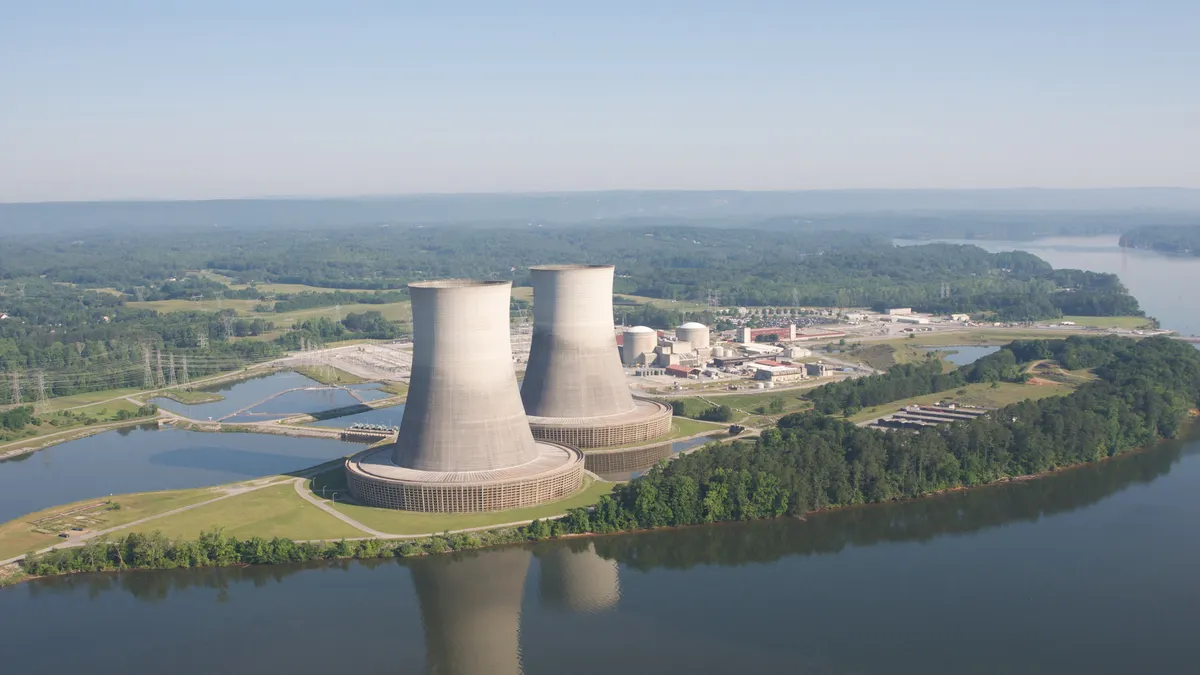 Permission granted by Tennessee Valley Authority
Nuclear reaches 41% of TVA’s power supply
TVA interim CEO Mike Skaggs said he wants to “[establish] clarity on our position around new nuclear technologies,” and “work with the federal administration and our board of directors to clarify TVA's path going forward.”
-
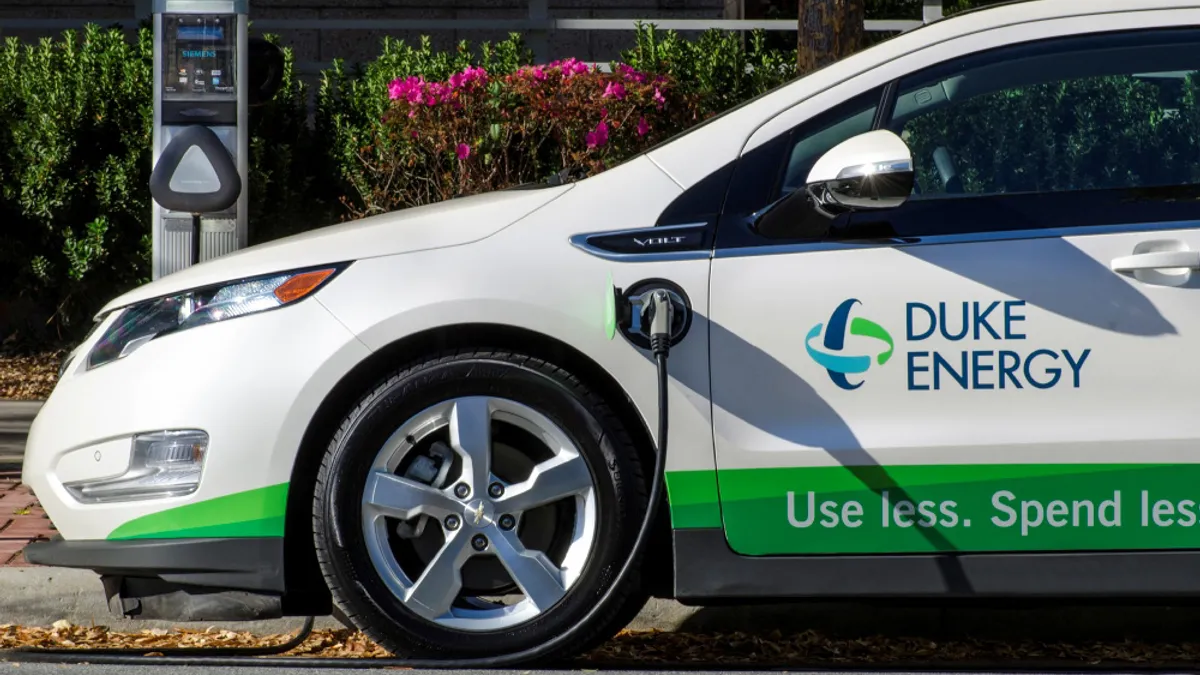 Permission granted by Duke Energy
Duke Energy added 2.7 GW of contracted data centers in Q1
The additions bring the company’s total executed agreements with data centers to 7.6 GW, “nearly two-thirds of which are already under construction,” President and CEO Harry Sideris said. Duke’s $103-billion capital plan remained unchanged from 2025.
-
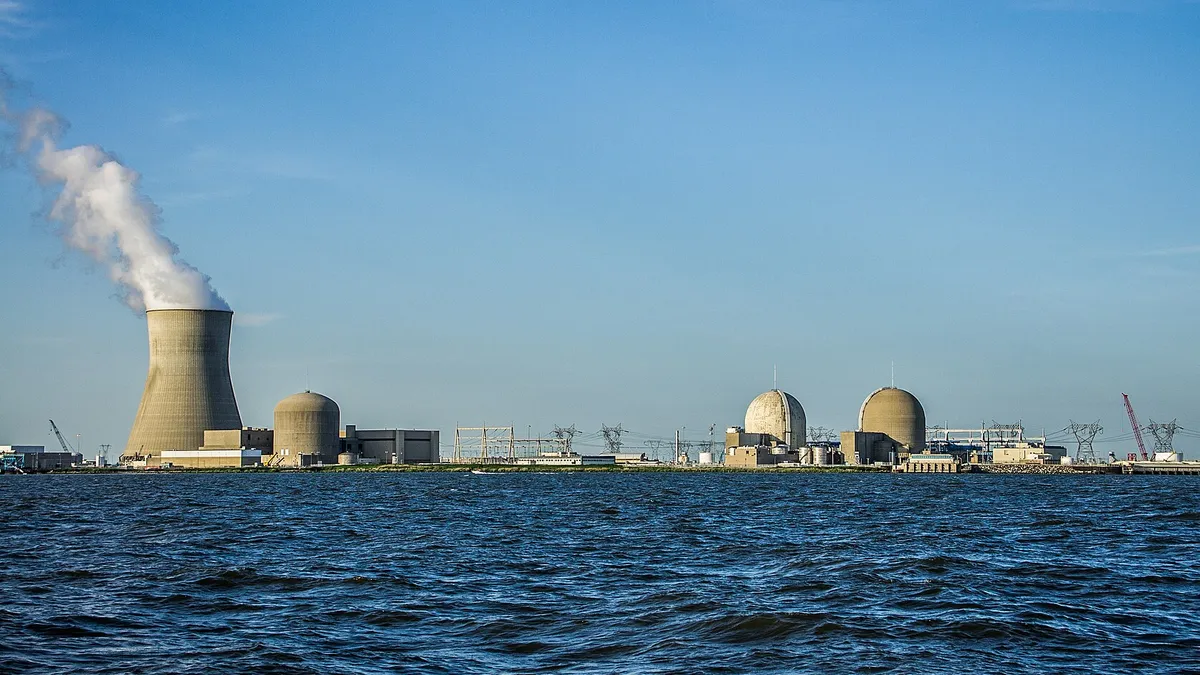
PSEG CEO: Nuclear outlook for New Jersey improves on lifting of moratorium
Nuclear power plants won’t be built, however, without long-term federal financial support and hyperscaler offtake agreements, said Ralph LaRossa, Public Service Enterprise Group CEO.
-
 Getty Images
‘Supplemental’ municipal utility begins solar-and-storage installs in Ann Arbor, Michigan
The Ann Arbor Sustainable Energy Utility will use locally sited solar, batteries and other resources to improve reliability and lower costs for subscribers, city officials say.
 Previous
To find more content, use the "Topics" in the menu above.